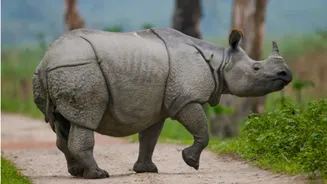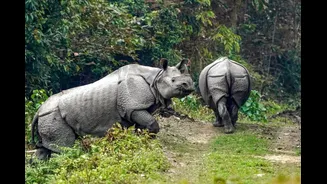




If seeing a one-horned rhinoceros in the wild is somewhere on your travel bucket list, India is one of the few places where that dream can become a safari plan. From Assam’s floodplains to the grasslands
of West Bengal and Uttar Pradesh, these parks offer opportunities to spot the greater one-horned rhinoceros in its natural habitat.
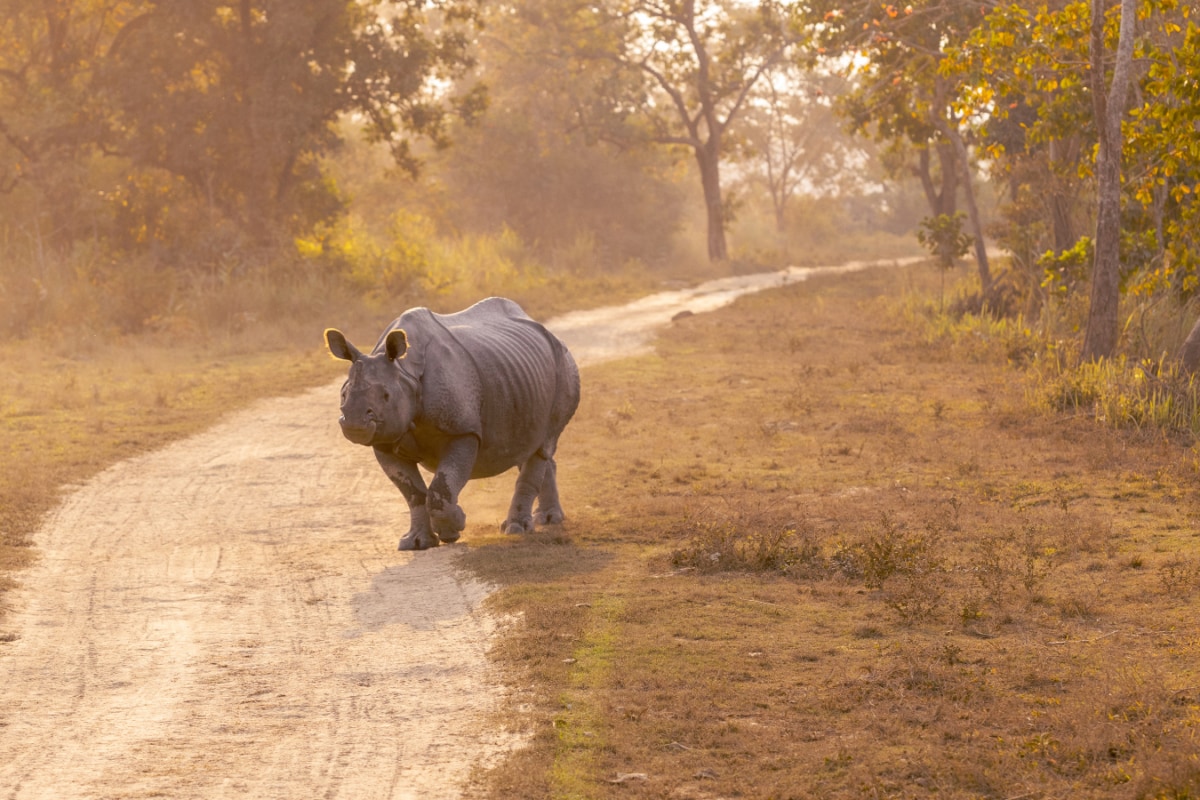
Celebrated every September 22, World Rhino Day unites conservationists and nature lovers worldwide to protect these magnificent animals. India is home to about 3,323 greater one-horned rhinos, according to the 2025 State of the Rhino report, which puts the species’ population across India and Nepal at 4,075. The species remains classified as ‘Vulnerable’.
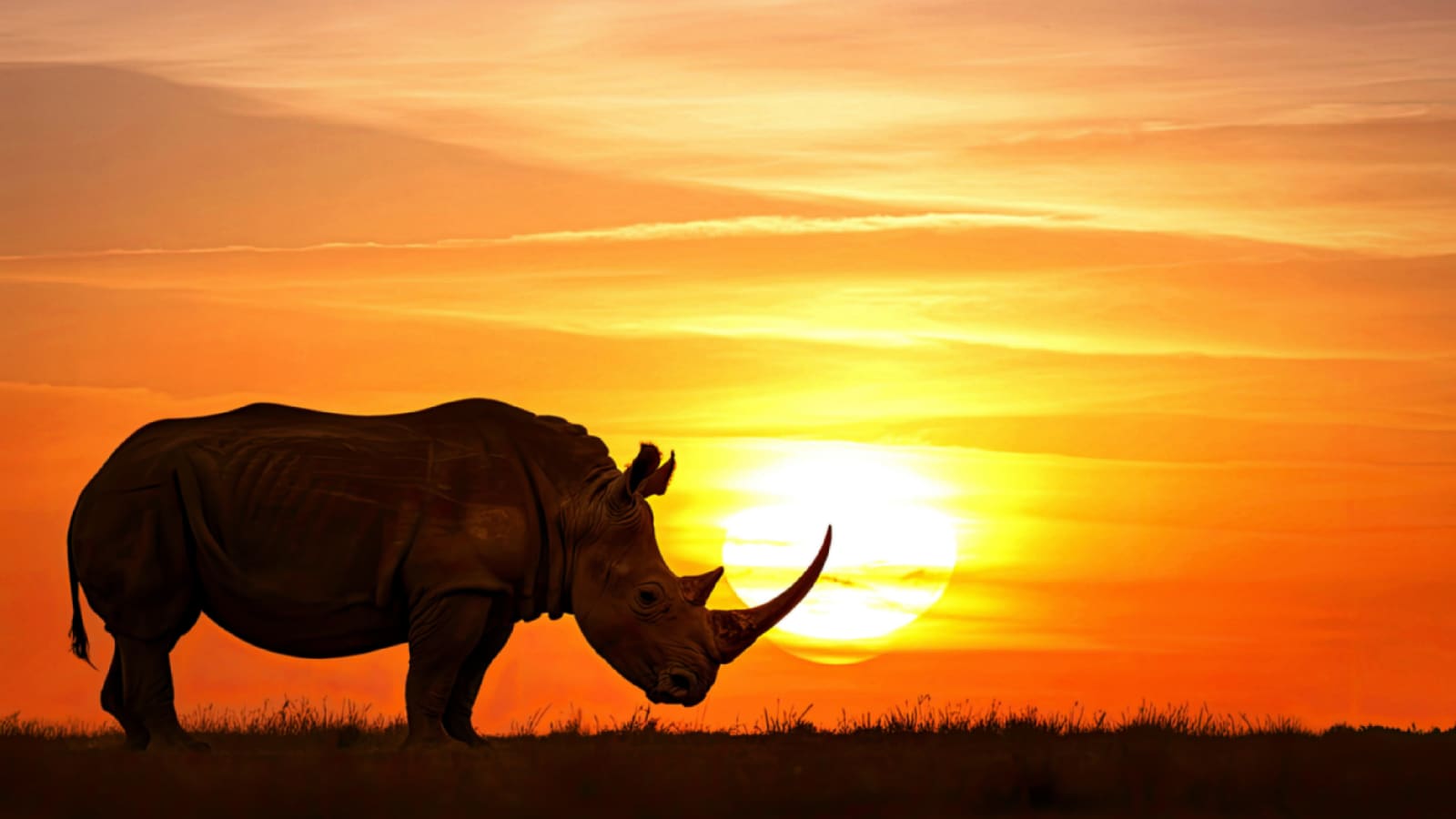
Kaziranga National Park, Assam
This is the obvious starting point. Kaziranga holds the largest population of India’s one-horned rhinos and its expansive grasslands, wetlands and Brahmaputra floodplains make it prime rhino territory. Jeep and elephant safaris are available.
Best time: November to April.
How to reach: The park is about 217 km from Guwahati by road; Jorhat Airport is about 95 km away, while Jakhalabandha is the nearest railhead to Kohora.
Pobitora Wildlife Sanctuary, Assam
Small in size but remarkable for its rhino density, Pobitora covers about 38.81 sq km and is known for its one-horned rhinos, along with wetland birds and other wildlife.
Best time: mid-October to March-end.
How to reach: It is around 30-45 km from Guwahati and can be reached by road; Guwahati Airport is about 75 km away and Jagiroad is the nearest railhead.
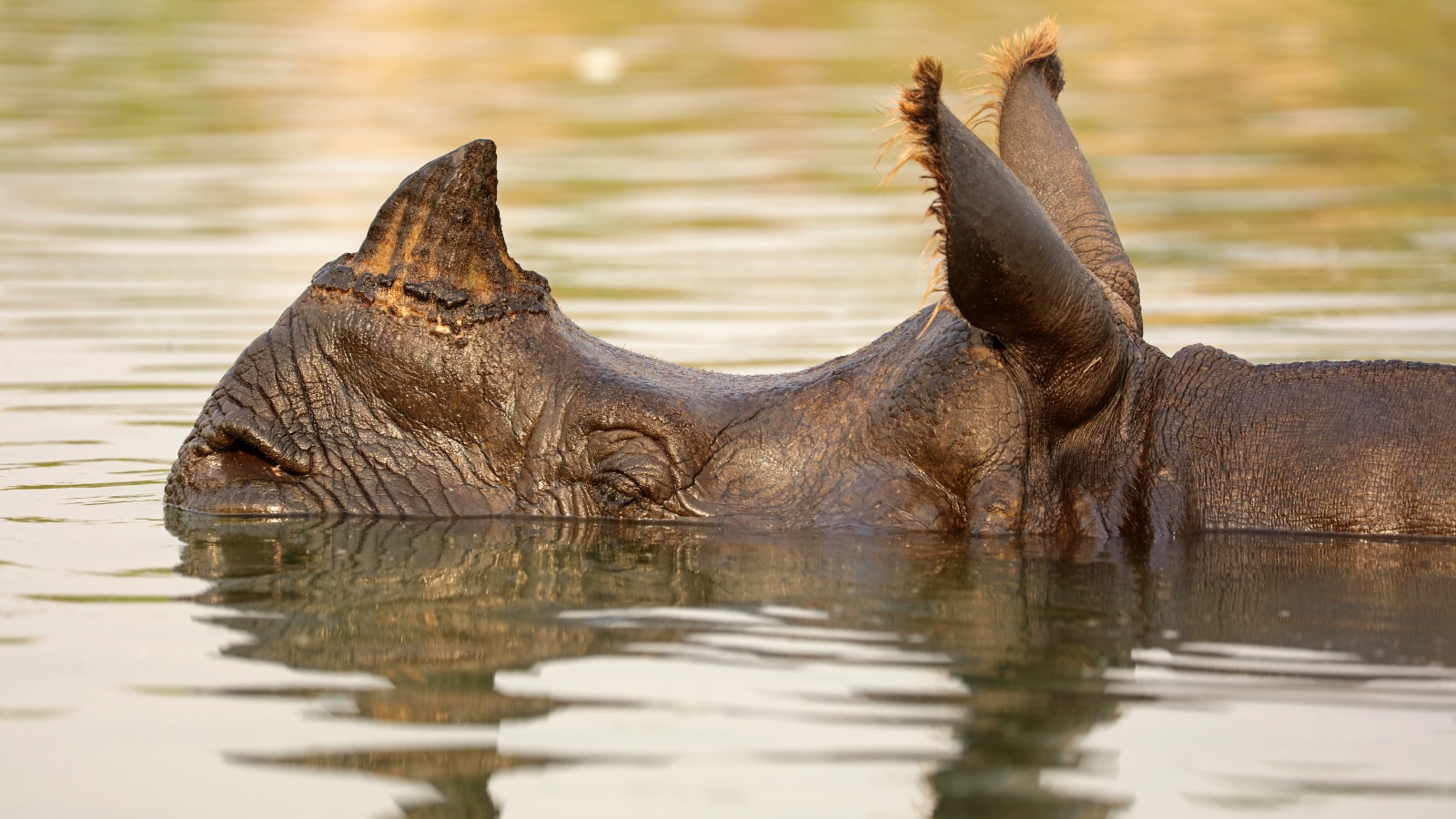
Orang National Park, Assam
Often called Assam’s Mini Kaziranga, Orang is a riverine grassland habitat and an important rhino stronghold on the north bank of the Brahmaputra.
Best time: November to April.
How to reach: The park is generally accessed by road from Guwahati and other Assam towns.
Manas National Park, Assam
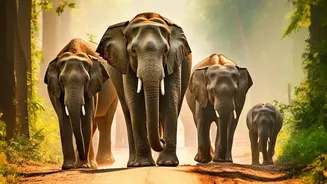
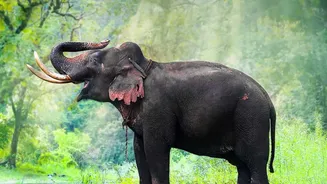
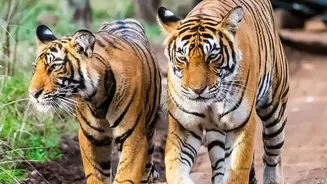
A UNESCO World Heritage Site, Manas combines rhino sightings with a wider wildlife experience that includes elephants, tigers and rare species.
Best time: November to April.
How to reach: Guwahati Airport is about 140-145 km away, while Barpeta Road railway station is roughly 20 km from the park.
Dibru-Saikhowa National Park, Assam
Here, rhinos are part of a much broader wilderness experience involving wetlands, birds, riverine habitats and boat safaris.
Best time: November to April.
How to reach: Dibrugarh Airport is about 50 km away and Tinsukia railway station is around 18 km from the park.
Jaldapara National Park, West Bengal
Jaldapara’s grasslands and tall elephant grass provide habitat for one-horned rhinos, along with elephants and other wildlife. It has the second-largest rhino population in India after Kaziranga.
Best time: November to April.
How to reach: Bagdogra is the nearest airport; NJP is the major railway gateway, with road connections onwards to Jaldapara.
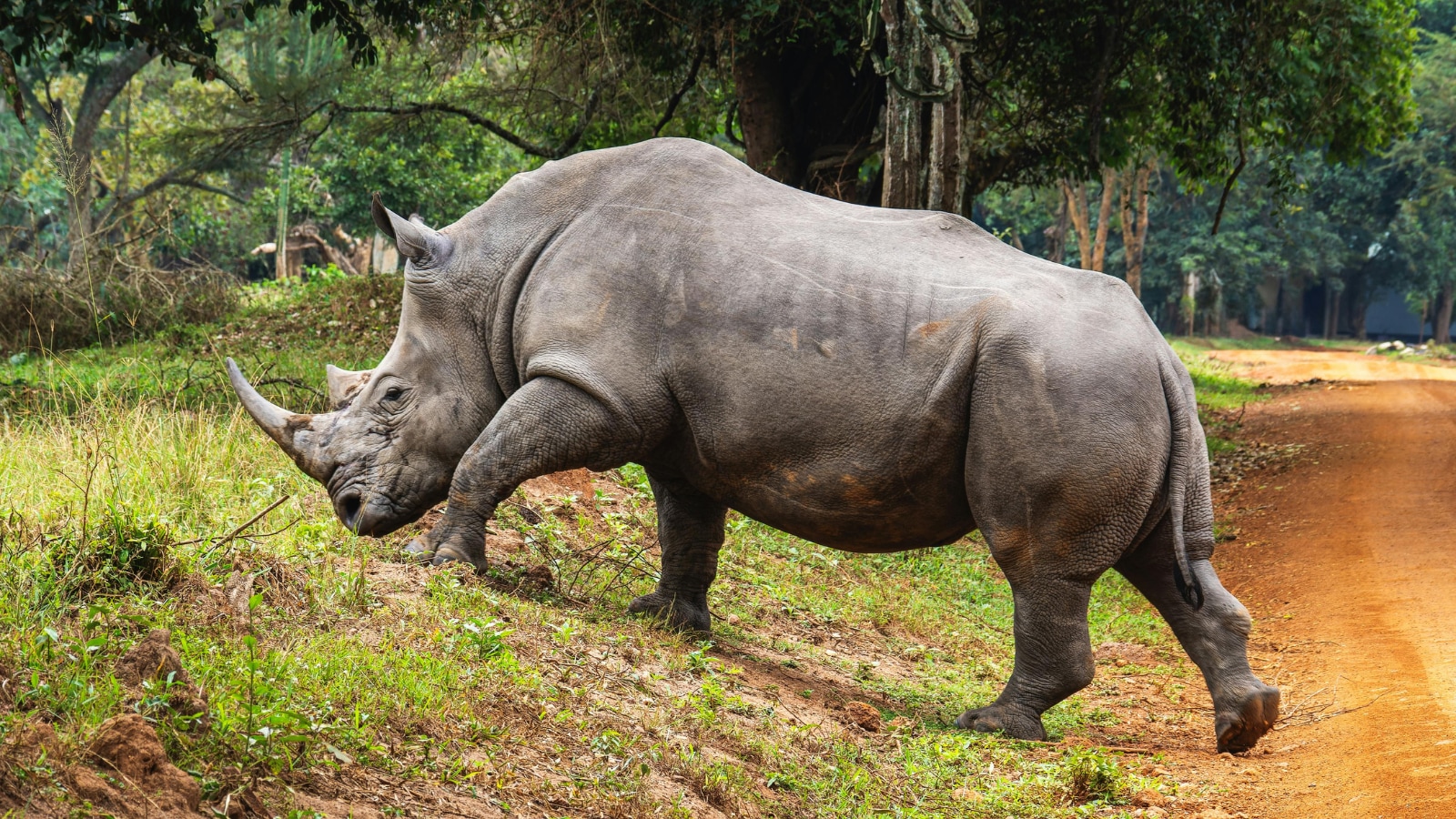
Gorumara National Park, West Bengal
Located in the Dooars, Gorumara is another rhino habitat where visitors can also encounter elephants, gaur and several bird species.
Best time: November to April.
How to reach: Bagdogra is about 78 km away; New Jalpaiguri is about 58 km away, with Lataguri serving as a key gateway.
Dudhwa National Park, Uttar Pradesh
Dudhwa offers a different rhino experience, with the animals protected within the Terai landscape alongside tigers, elephants and swamp deer.
Best time: November 15 to June 15.
How to reach: Lucknow is the nearest major airport, while Dudhwa, Palia and Mailani are nearby railheads.
With India’s greater one-horned rhino population having recovered significantly through conservation and protection efforts, these landscapes offer travellers more than a wildlife sighting. They provide a glimpse into one of India’s notable conservation stories.