




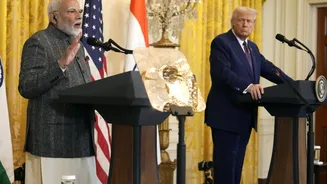
Amid escalating tensions in West Asia and renewed volatility in global energy markets, concerns about a possible “lockdown-like” situation in India have begun to surface. Searches such as “India lockdown again”
and “lockdown news” started trending shortly after Prime Minister Narendra Modi’s recent remarks in Parliament, where he referenced the COVID-19 pandemic while discussing the ongoing Middle East conflict.
While the parallels have triggered public anxiety, experts say the current situation is markedly different from a public health crisis and does not warrant nationwide restrictions. However, a series of developments tied to the conflict has been enough to raise concerns about economic disruptions.
What triggered the lockdown buzz?
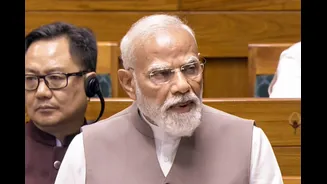
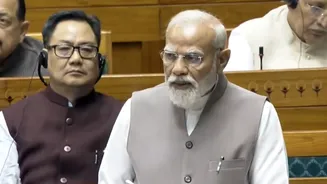
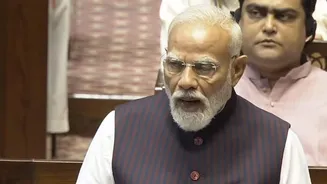
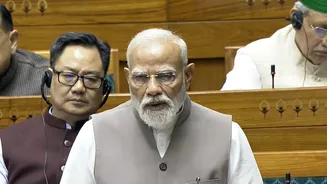
The spike in online searches came hours after Prime Minister Modi, speaking in both the Lok Sabha and the Rajya Sabha, highlighted the potential long-term impact of the conflict and drew comparisons with the COVID-19 period.
“In the past too, our government did not allow the burden of global crises to fall on the farmers,” he said, while noting that the global conditions arising from the conflict could persist for some time. He urged citizens to remain prepared and united, as they had during the pandemic.
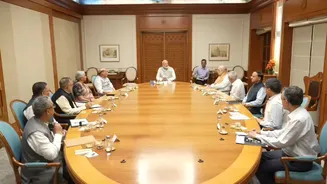
The Prime Minister also pointed to the “serious side effects of the war” and said that seven empowered groups have been set up to address challenges related to fuel, fertilisers, gas, supply chains and inflation—similar to the coordinated approach adopted during COVID-19. He reiterated that India remains engaged with all parties, including Iran, Israel and the United States, and continues to push for de-escalation through dialogue and diplomacy.
These remarks, combined with the creation of crisis-management groups, appear to have fuelled speculation about potential restrictions, even though the government has made no such announcement.
Rising tensions and supply disruptions
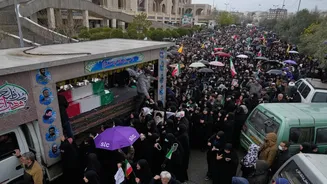
The concerns are rooted in rapidly evolving developments in the Middle East. The conflict escalated after joint US-Israeli strikes on Iran on February 28, followed by retaliatory attacks by Iran on Israeli cities and US military bases in the region. Israel, in turn, launched strikes across parts of Iran, including Tehran.
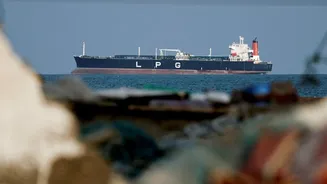
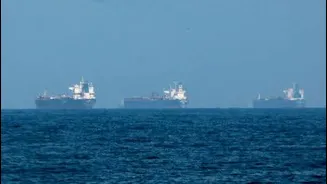
The situation has disrupted trade flows and raised concerns over energy supplies, particularly through the Strait of Hormuz—a critical route for global oil shipments. Any sustained disruption here has significant implications for global energy markets.
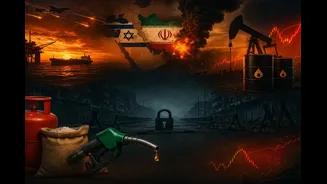
Oil prices have reacted sharply to these developments, with periods of steep increases reflecting fears of supply constraints. At the same time, knock-on effects are being seen in related sectors, including liquefied petroleum gas (LPG), fertilisers and industrial inputs, adding to broader inflation concerns.
India’s vulnerability to energy shocks
For India, which imports a majority of its crude oil, the impact of such disruptions can be immediate. Higher oil prices tend to feed into fuel costs, LPG pricing and fertiliser subsidies, while also increasing transportation and logistics expenses.
The ripple effects are already being felt across supply chains, with businesses warning of higher input costs and potential margin pressures. A prolonged energy shock could also widen the current account deficit and exert pressure on the rupee.
Preparedness, not lockdown signals
Despite the heightened concern, experts emphasise that the current response is preventive rather than restrictive.
The formation of empowered groups is aimed at ensuring supply continuity, managing inflation and preventing shortages. Unlike the COVID-19 crisis, which required restrictions on movement to contain a virus, the present challenge is economic in nature—a supply and price shock driven by geopolitical developments.
There is no indication from the government of any plan to impose lockdown-like curbs. Instead, the focus remains on maintaining normal economic activity while managing emerging risks.
Could there be targeted measures?
While a nationwide lockdown appears unlikely, some calibrated interventions could be considered if the situation deteriorates. These may include prioritising fuel supply for essential services, managing distribution of critical resources such as LPG or fertilisers, or encouraging efficiency in consumption.
Such steps, however, would be administrative in nature and aimed at managing resources rather than restricting mobility.
The bigger risk: Economic pressure
The more immediate concern lies in the economic fallout. Higher energy costs can drive inflation, increase production expenses and dampen consumption. For households, this could translate into higher fuel bills and rising prices of everyday goods.
Global uncertainty, coupled with volatile commodity prices, may also weigh on investor sentiment and economic growth.
The resurgence of “lockdown” fears appears to be driven more by perception than policy signals. While the government has stepped up preparedness and acknowledged the seriousness of the situation, there is no move toward restrictions similar to those seen during the pandemic.
The current crisis is fundamentally different—rooted in supply disruptions rather than a health emergency—and the response is likely to remain targeted and measured.
India may not be heading for another lockdown—but the economic ripple effects of this war could still be deeply felt.