







A jury in Los Angeles has delivered a major ruling against Meta and YouTube, holding them liable for harming a young woman through addictive platform design. The case marks a significant moment in legal
action against social media companies.
The court concluded that Meta, which owns Instagram, Facebook and WhatsApp, and Google, which owns YouTube, deliberately created features that encouraged addiction. The plaintiff, a 20-year-old woman known as Kaley or K.G.M., said these platforms affected her mental health during childhood and adolescence.
The jury found both companies negligent for operating products that harmed children and teenagers and for failing to warn users about the risks.
The court awarded $6 million in damages. This included $3 million in compensatory damages and $3 million in punitive damages, after jurors determined the companies acted with “malice, oppression, or fraud”. Meta is expected to pay 70 per cent of the total, while YouTube will cover the remaining 30 per cent.
Key findings from trial
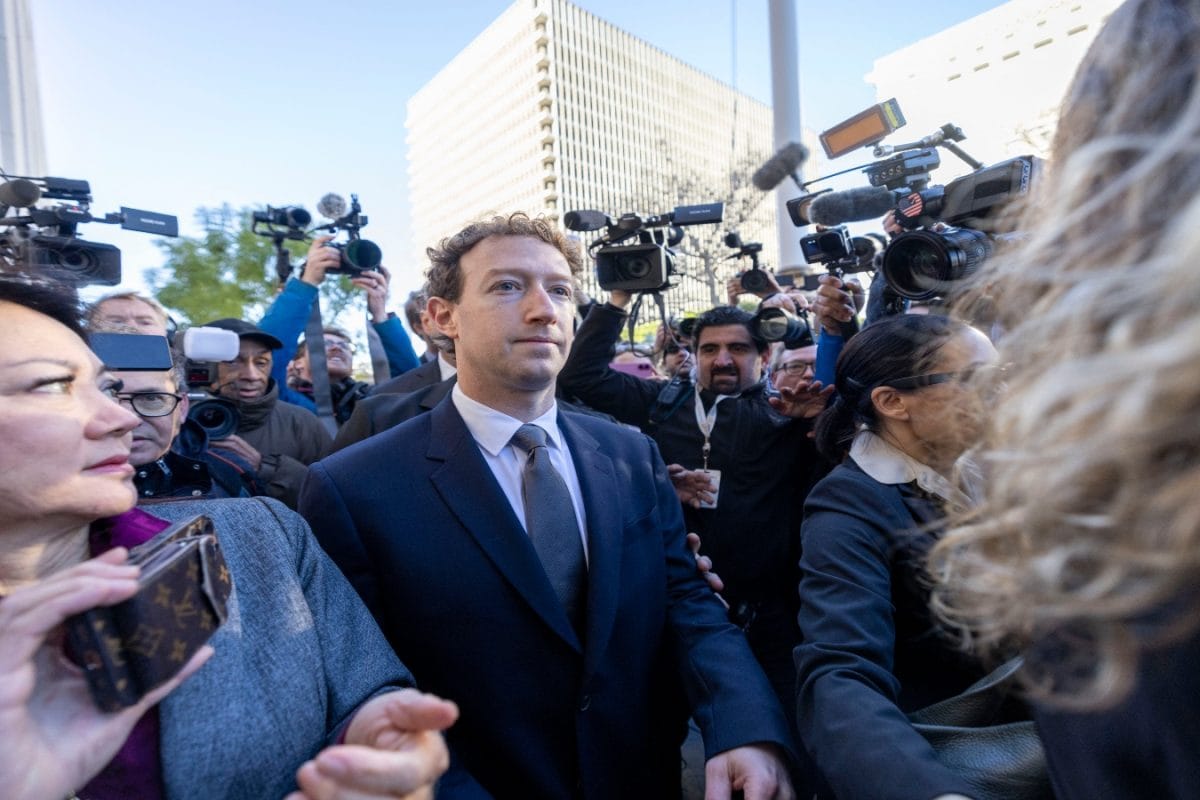
The case, heard in Los Angeles Superior Court over seven weeks, included testimony from senior executives such as Mark Zuckerberg. Jurors said recommendation systems and engagement-driven features worsened anxiety, depression and other mental health issues. They also found that the companies did not properly warn users about the dangers of addiction linked to their platforms.
The verdict is seen as a breakthrough in more than 1,600 similar lawsuits filed across the United States. It challenges protections under Section 230 of the Communications Decency Act, which has historically shielded tech companies from liability.
Legal experts say the ruling could influence future cases and may push companies to change features such as autoplay, notifications and recommendation systems.
What Meta and Google said?
Both companies said they would appeal the decision. Meta said teen mental health is complex and cannot be linked to a single app, adding it would defend its record. Google said the case misunderstood YouTube, describing it as a streaming platform rather than a social media service.
The case is part of a wider wave of lawsuits involving platforms including TikTok and Snap, which settled with the plaintiff before the trial began.
Lawyers supporting the case said the verdict shows companies prioritised profits over children. They argued that social media platforms can cause personal harm, drawing comparisons with legal cases against tobacco companies in the past.