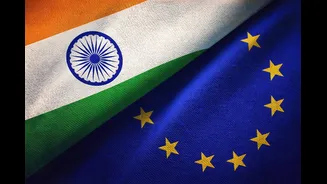

India is likely to significantly cut import duties on cars from the European Union as part of a long-awaited free trade agreement that could be finalised as early as Tuesday, according to sources cited
by Reuters.
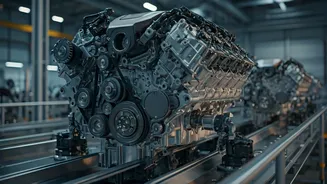
Under the proposed deal, New Delhi is expected to lower peak import tariffs on EU-made cars to 40 per cent from the current maximum of 110 per cent.
The initial reduction would apply to a limited number of vehicles imported from the 27-member bloc, provided their declared import value exceeds approximately Rs 16.3 lakh ($17,739). Over time, duties on these cars could be further reduced to as low as 10 per cent.
If implemented, the move would represent the most substantial opening yet of India’s heavily protected automobile market and a major concession as trade negotiations between India and the EU approach their conclusion.
The proposed cuts also come against the backdrop of heightened global economic and security uncertainty, partly driven by policy shifts under the Donald Trump administration.
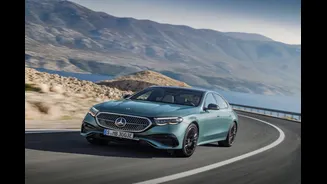
The phased reduction in tariffs would significantly improve access to the Indian market for European automakers such as Volkswagen, Mercedes-Benz and BMW, which have long pushed for lower import barriers.
Neither India’s Commerce Ministry nor the European Commission has officially commented on the reported plans.
India currently imposes some of the highest import duties in the world on fully built passenger vehicles, a policy designed to shield domestic manufacturers and promote local production.
Any meaningful reduction is therefore expected to have wide-ranging implications for the auto industry, bilateral trade flows and future investment between India and the EU.
The development coincides with a four-day visit to India by European Commission President Ursula von der Leyen, aimed at advancing a broader reset in India-EU relations.
Von der Leyen and European Council President António Costa are in the country as chief guests for Republic Day celebrations and are scheduled to hold summit-level talks with Prime Minister Narendra Modi on Tuesday.
India and the EU are expected to announce the conclusion of the long-pending free trade agreement, alongside a strategic defence partnership and a framework to ease the mobility of Indian professionals to Europe.