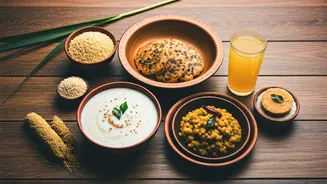









In India, roti is far more than a meal staple, it is woven into everyday life. From breakfast to dinner, it appears on almost every plate. Yet, few people pause to consider whether the same roti suits
every season. Our bodies respond differently to heat and cold, and their nutritional needs change accordingly. Winter calls for warmth and strength, while summer demands lighter, cooling foods.
Celebrity chef and culinary expert Pankaj Bhadouria highlights that selecting grains according to the season can naturally support better health. This wisdom isn’t new; older generations followed it instinctively, rotating grains through the year to nourish the body appropriately.
Today, this age-old practice is being reaffirmed through nutrition science and Ayurveda. Here’s a simple seasonal guide to choosing the right roti for your body.
Bajra Roti: A Winter Powerhouse
Bajra roti is a winter favourite for good reason. It generates internal warmth, making it ideal for cold weather. Rich in iron, fibre, and magnesium, it helps combat anaemia, reduce fatigue, and ease joint stiffness common in winter.
Thick bajra rotis topped with ghee provide sustained energy and pair beautifully with mustard greens, garlic chutney, or yoghurt.
Jowar Roti: Suitable For All Seasons
Jowar roti works well in both summer and winter. In colder months, it offers steady strength without heaviness, while in summer it remains light and easy on digestion. Its high fibre content aids bowel health and prevents constipation.
Jowar does not increase body heat and even has a mild cooling effect. Kneading it with warm water helps achieve softer, tastier rotis.
Makki Roti: Winter Energy Booster
Makki roti is synonymous with winter meals. Packed with energy, it helps the body withstand cold temperatures. Corn carbohydrates digest slowly, keeping hunger at bay for longer; ideal when the body requires extra calories in winter.
Enjoyed with butter, mustard greens, or potato curry, it offers both comfort and nutrition.
Ragi Roti: Summer’s Cooling Choice
Ragi roti is especially beneficial during summer. Known for its cooling properties, ragi helps regulate body temperature and reduces acidity. Its high calcium content strengthens bones, while its nutrients combat weakness caused by excessive sweating.
Thin ragi rotis or ragi dosa served with yoghurt feel light, refreshing, and nourishing.
Barley Roti: Light And Detoxifying
Barley roti is another excellent option for summer. It helps draw out excess heat from the body and supports digestive health. The fibre in barley improves gut function, reduces bloating, and can be helpful for those experiencing frequent thirst or urinary discomfort during hot months.
Lightly roasted barley rotis are the best choice.
Wheat Roti: The All-Season Staple
Wheat roti remains the most common choice in Indian homes and suits all seasons. It is neutral in nature, neither heating nor cooling, and provides a balanced mix of carbohydrates and protein for daily needs.
For those without specific health concerns, wheat roti is a reliable, year-round option.