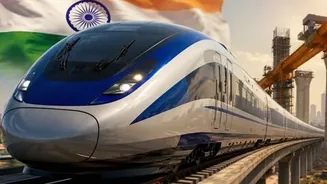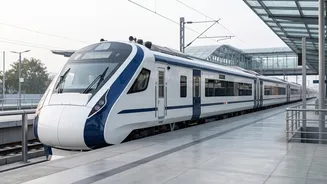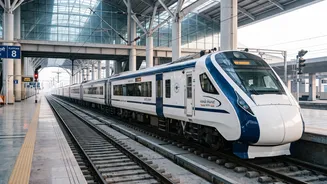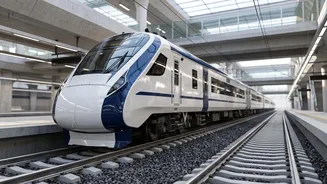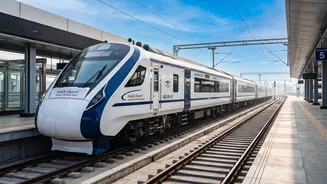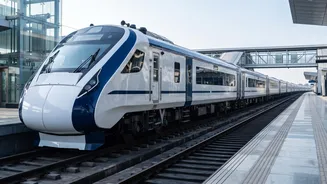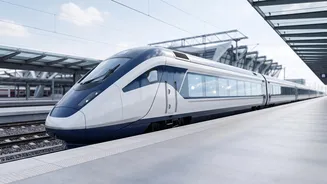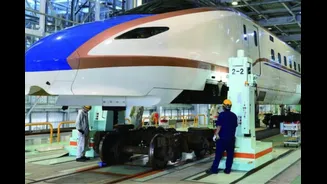

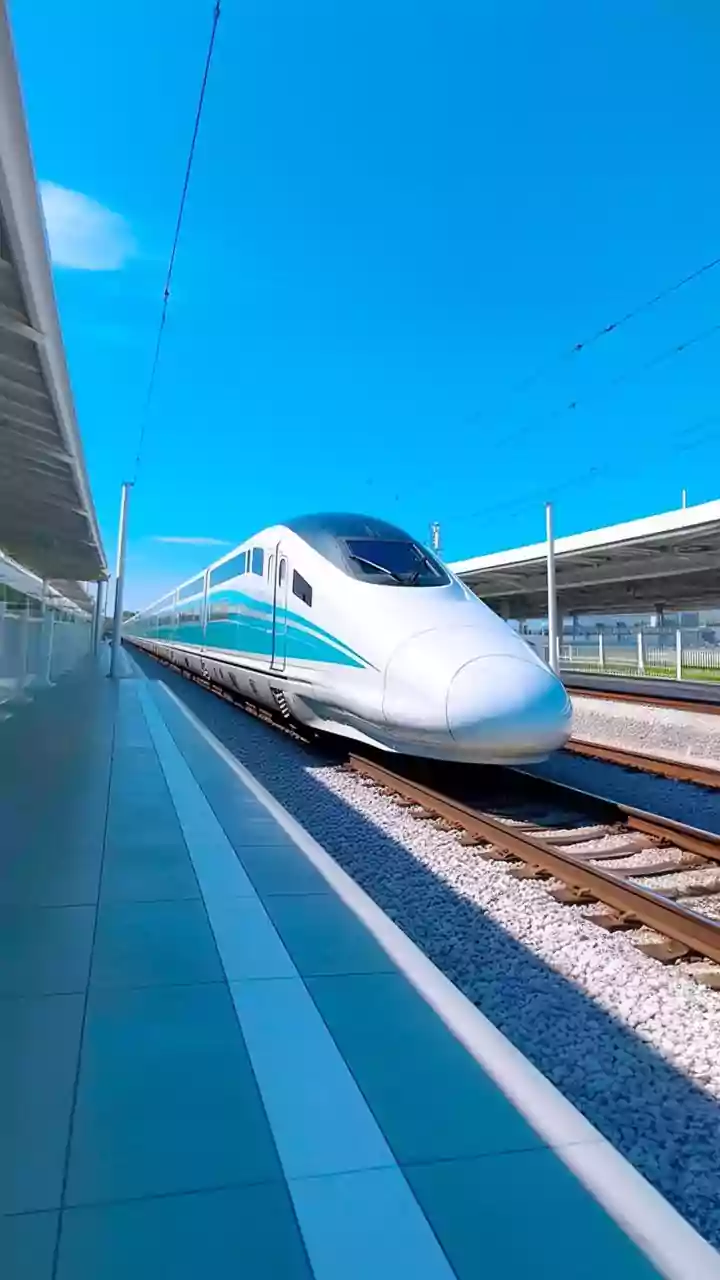




Prime Minister Narendra Modi approved the Northern Corridor of India’s proposed bullet train network, which is expected to significantly reduce travel time between Delhi and several major cities, including
Agra, Kanpur, Lucknow and Varanasi.
Union Railway Minister Ashwini Vaishnaw announced the development in Varanasi on October 31, ahead of flagging off the new Vande Bharat Sleeper Express between Varanasi and New Delhi.
Vaishnaw said the proposed corridor would connect Delhi to Guwahati through several cities in northern and eastern India. He added that the project would benefit young people, middle-income groups and artisans working in small-scale industries.
“The prime minister has approved the north corridor of the bullet train, which will change the lives of many,” the minister said, adding that people would remember Modi for the initiative for years to come.
How Quickly Could You Travel From Delhi To Agra, Lucknow And Varanasi?
One of the biggest highlights of the proposed corridor is the reduction in travel time between Delhi and Agra. Vaishnaw said the journey could take just 59 minutes once the high-speed rail network becomes operational.
The indicative journey time from Delhi to Kanpur is expected to be around 1 hour 45 minutes, while reaching Lucknow could take 2 hours 12 minutes. The journey between Lucknow and Varanasi may take approximately 1 hour 21 minutes, while travelling from Varanasi to Delhi could take around 3 hours 35 minutes.
A faster Delhi-Agra connection could also give tourism a boost, making it easier for visitors to travel from the national capital to the Taj Mahal and return within a day.
Which Cities Will Northern Bullet Train Corridor Connect?
The proposed high-speed rail corridor will begin in Delhi and pass through several important cities before extending to Guwahati in Assam.
The route is expected to connect Agra, Kanpur, Lucknow, Ayodhya, Varanasi, Prayagraj, Patna and Siliguri before reaching Guwahati. This would link major urban centres and religious and tourist destinations across northern and eastern India.
For tourists, the proposed network could make travel to Ayodhya and Varanasi, two of India’s prominent religious tourism hubs, considerably faster. Prayagraj, known for the Triveni Sangam and the Kumbh Mela, would also be connected.
Patna could serve as a gateway to Bihar’s historical and Buddhist tourism destinations, while Siliguri is an important transit point for travellers heading to Darjeeling, Sikkim and other parts of the eastern Himalayas.
Will India’s Bullet Train Be Built Under Make In India?
Vaishnaw said the proposed high-speed rail network would be built under the Make in India initiative, with Indian workers and engineers playing a key role in its construction.
“The construction is progressing rapidly. It will be fully ‘Make in India’, built by the youth and welders of India,” he said.
The minister also indicated that bullet train fares would be economical and lower than airfares, addressing concerns over the affordability of high-speed rail travel. He said the project would create opportunities for young people, middle-income groups and artisans working in small-scale industries.
What Is Latest Official Update On India’s Bullet Train Network?
The Northern Corridor announcement comes amid the Centre’s broader plans to expand high-speed rail connectivity across the country.
In a February 3, 2026, release on the Union Budget 2026-27, the Ministry of Railways had outlined proposed high-speed rail connections, including Delhi-Varanasi and Varanasi-Siliguri. The release projected a journey time of around 3 hours 50 minutes between Delhi and Varanasi and approximately 2 hours 55 minutes between Varanasi and Siliguri.