


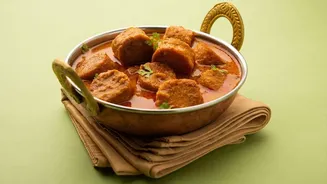
Bengali cuisine is often celebrated for its delicious non-vegetarian dishes, from the comforting Maccher Jhol (fish curry) and creamy Chingri Malai Curry to rich meat preparations such as Kosha Mangsho
and Goalondo Chicken Curry. But during Durga Puja, some of the most memorable flavours come from a very different spread: the traditional vegetarian bhog offered to Goddess Durga and later served to devotees.
While certain pandals may also serve festive treats such as fried fish, mutton chop and other non-vegetarian delicacies, the typical Durga Puja bhog is largely vegetarian and rooted in tradition.
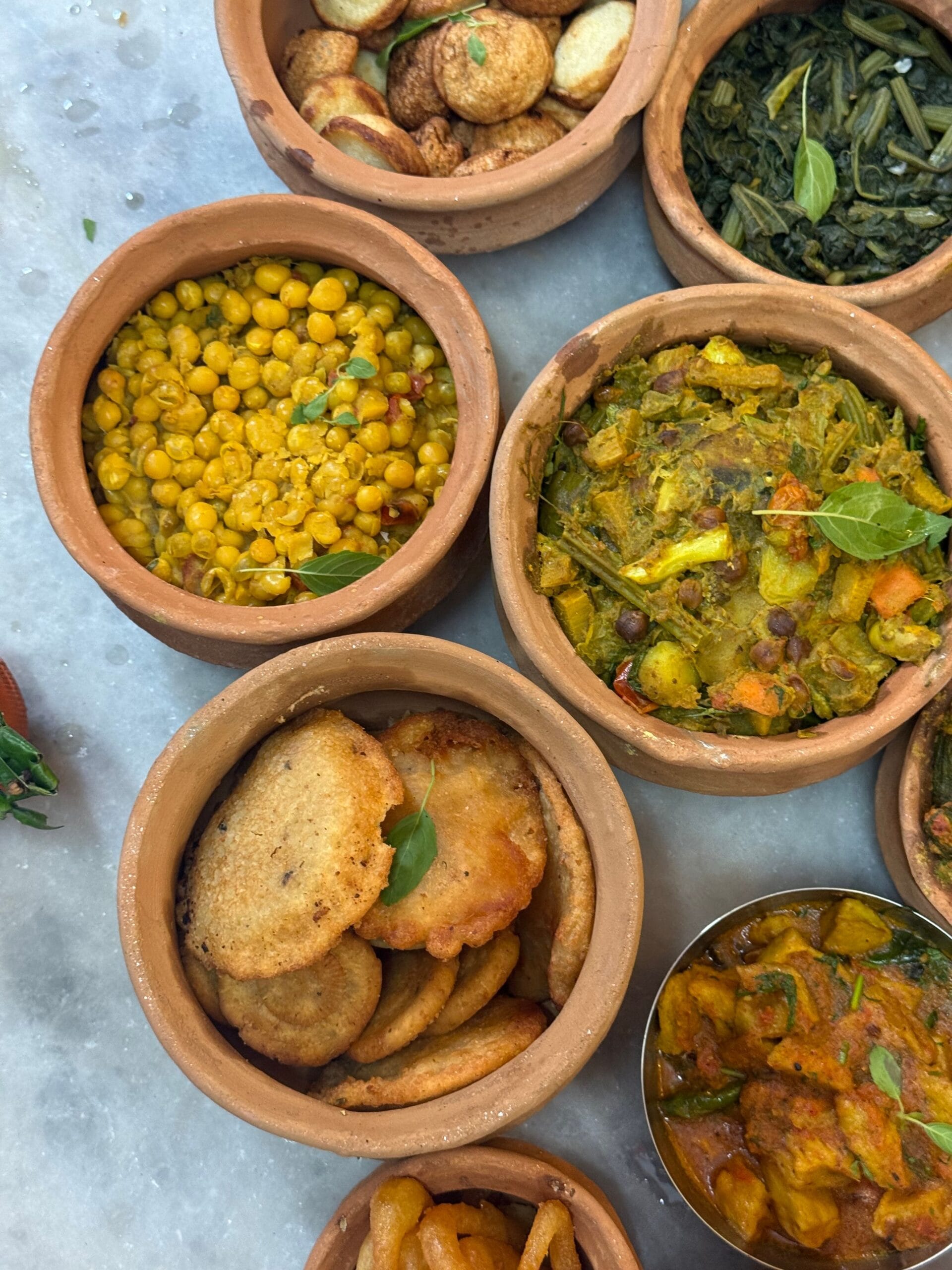
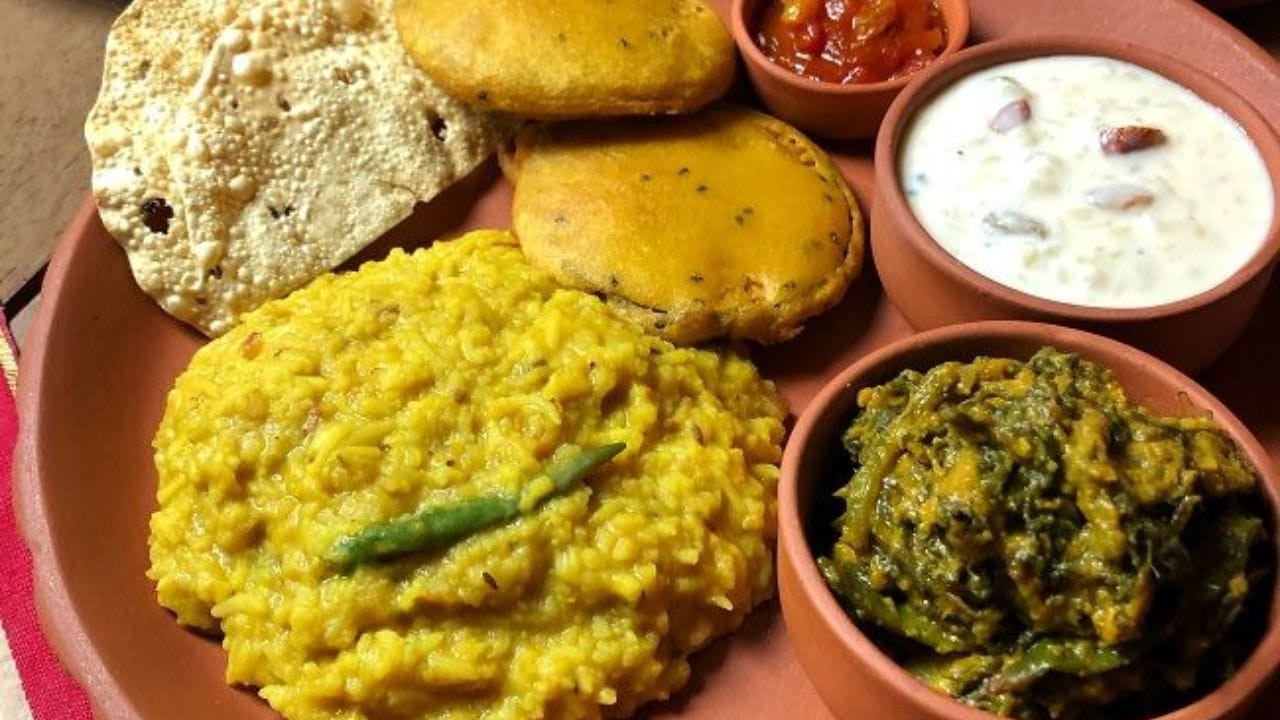
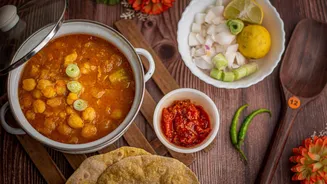
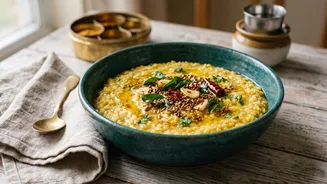
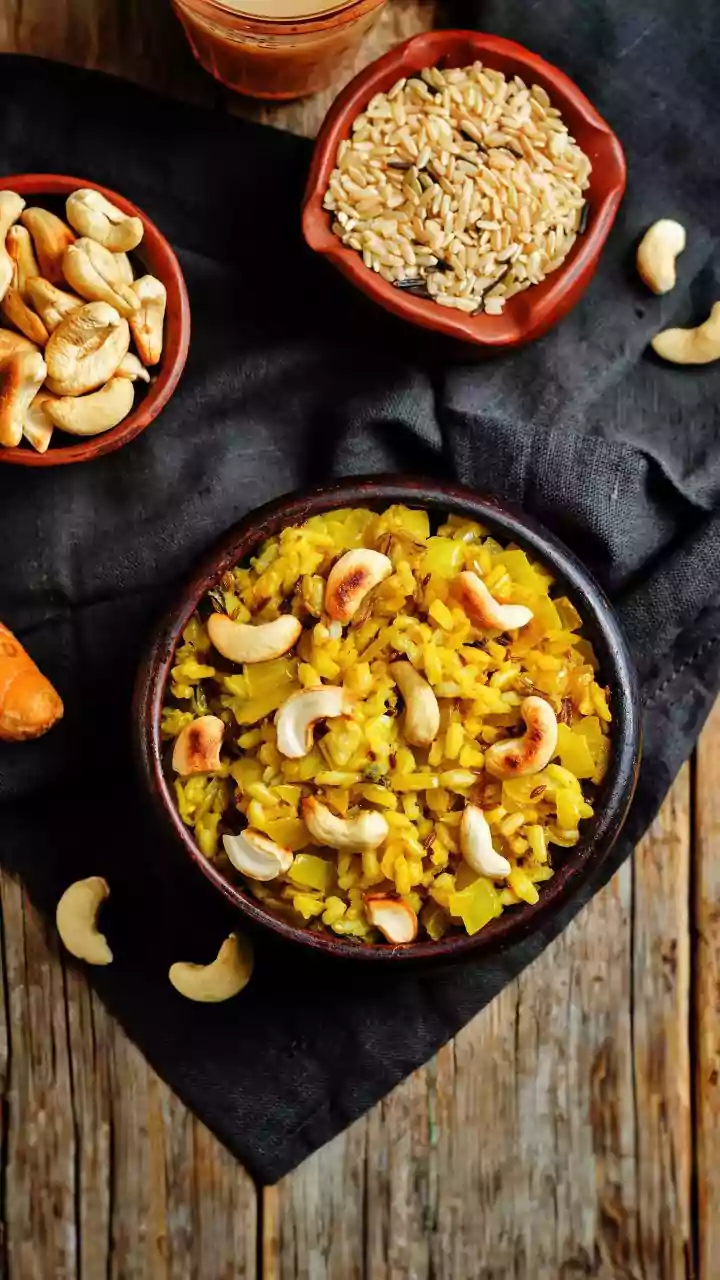
A classic bhog thali may feature bhoger khichuri, payesh (rice pudding), tomato khejur chutney and an assortment of vegetable dishes. Among the highlights are bhajas, or fried vegetables, including begun bhaja and aloo bhaja, along with hearty labra and chholar dal. Paired with soft, fluffy luchi, these dishes make a simple yet satisfying festive meal.
Here are 3 Bengali vegetarian favourites that you need to try this Durga Pujo:
Bhajas: Begun Bhaja And Aloo Bhaja
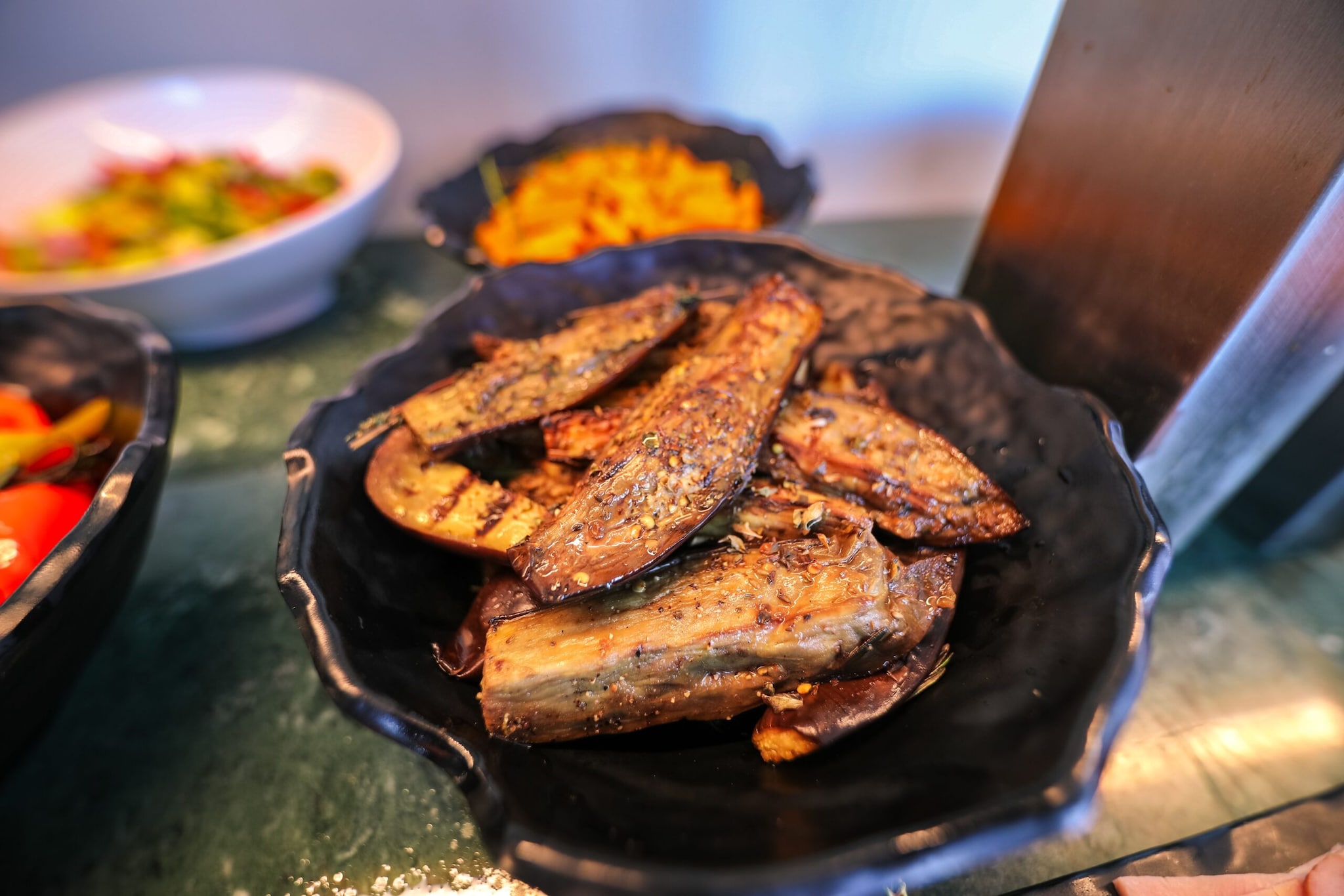
No traditional Bengali bhog spread feels quite complete without bhajas, the delicious fried accompaniments that add crunch and flavour to the meal. Two favourites are begun bhaja and aloo bhaja. Begun bhaja is made by slicing brinjal into rounds or long pieces, seasoning them with salt and turmeric, coating them lightly in flour if desired, and frying them until golden on the outside and soft inside. The contrast between the crisp edges and tender centre makes it an ideal accompaniment to khichuri or dal.
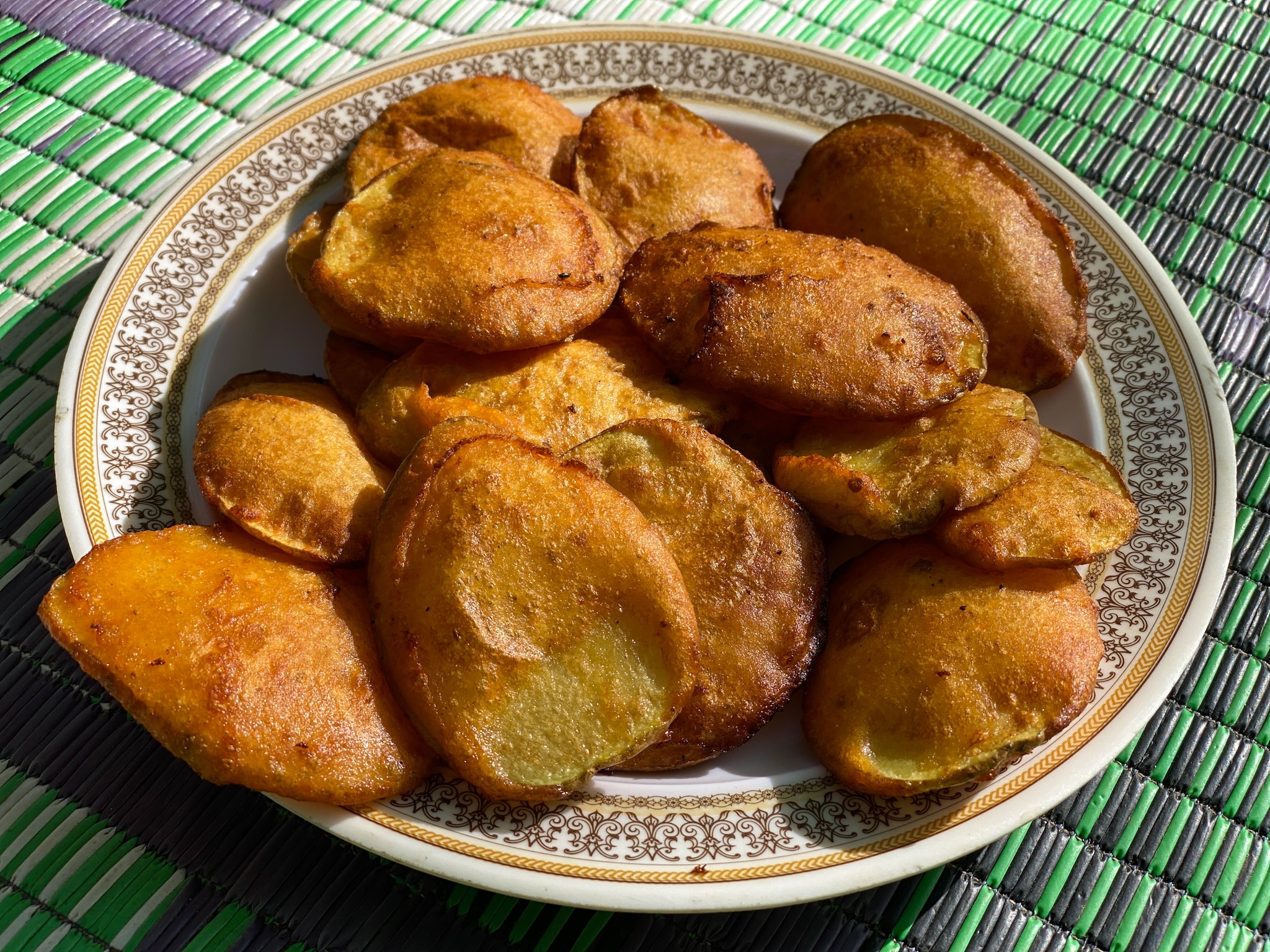
Aloo bhaja, meanwhile, features potatoes cut into thin strips or slices and fried until crisp. Lightly seasoned, it brings a satisfying crunch to the bhog thali. Both preparations use simple ingredients, but their appeal lies in the careful frying and the balance of textures. Served hot, these bhajas complement the softer, comforting dishes on the plate.
Labra: A Comforting Mix Of Vegetables
Labra is a traditional Bengali mixed-vegetable preparation that brings together seasonal produce in one comforting dish. Depending on the household or community kitchen, it may include pumpkin, potatoes, brinjal, radish, cabbage and other vegetables cooked with spices. The vegetables soften as they simmer, allowing their flavours to mingle and create a hearty preparation that is neither quite a dry sabzi nor a thin curry.
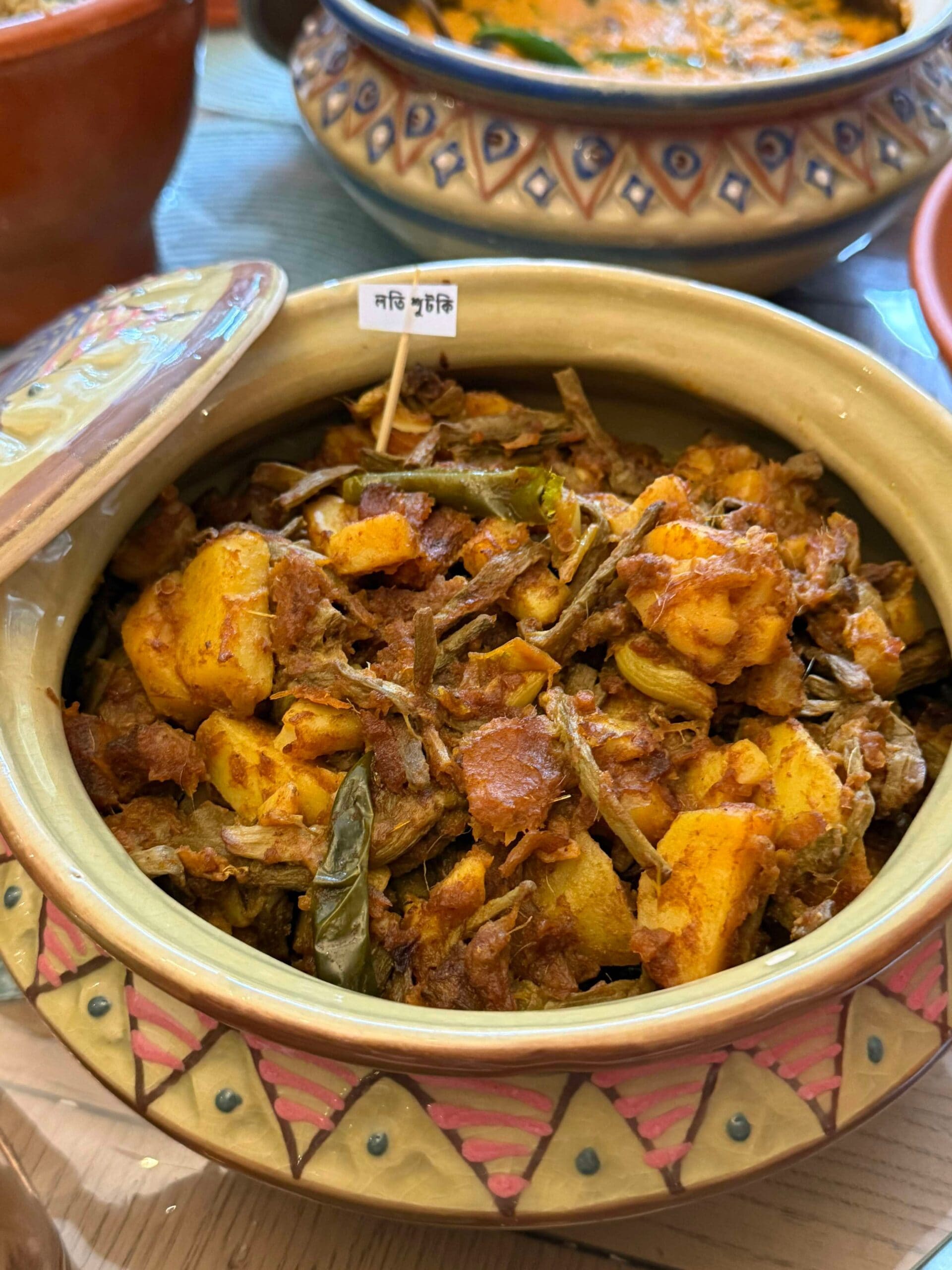
Labra is especially suited to a bhog thali because it celebrates vegetables without relying on elaborate ingredients. Its flavour comes from the combination of produce, seasoning and slow cooking. At Durga Puja pandals, it is often served alongside bhoger khichuri, making the meal more wholesome and balanced. The mild sweetness of vegetables such as pumpkin can also provide a lovely contrast to the savoury flavours of fried accompaniments. Recipes vary across communities, but the dish remains a comforting staple of many traditional bhog spreads.
Chholar Dal With Luchi
A Bengali festive meal is made even more special with chholar dal, a flavourful preparation of split Bengal gram. The dal is cooked until tender and seasoned with spices, often including ginger, cumin and bay leaf. Some versions also feature coconut pieces, which add texture and a gentle sweetness. Unlike everyday yellow dals, chholar dal is often prepared with a thicker consistency and a distinctive festive flavour.
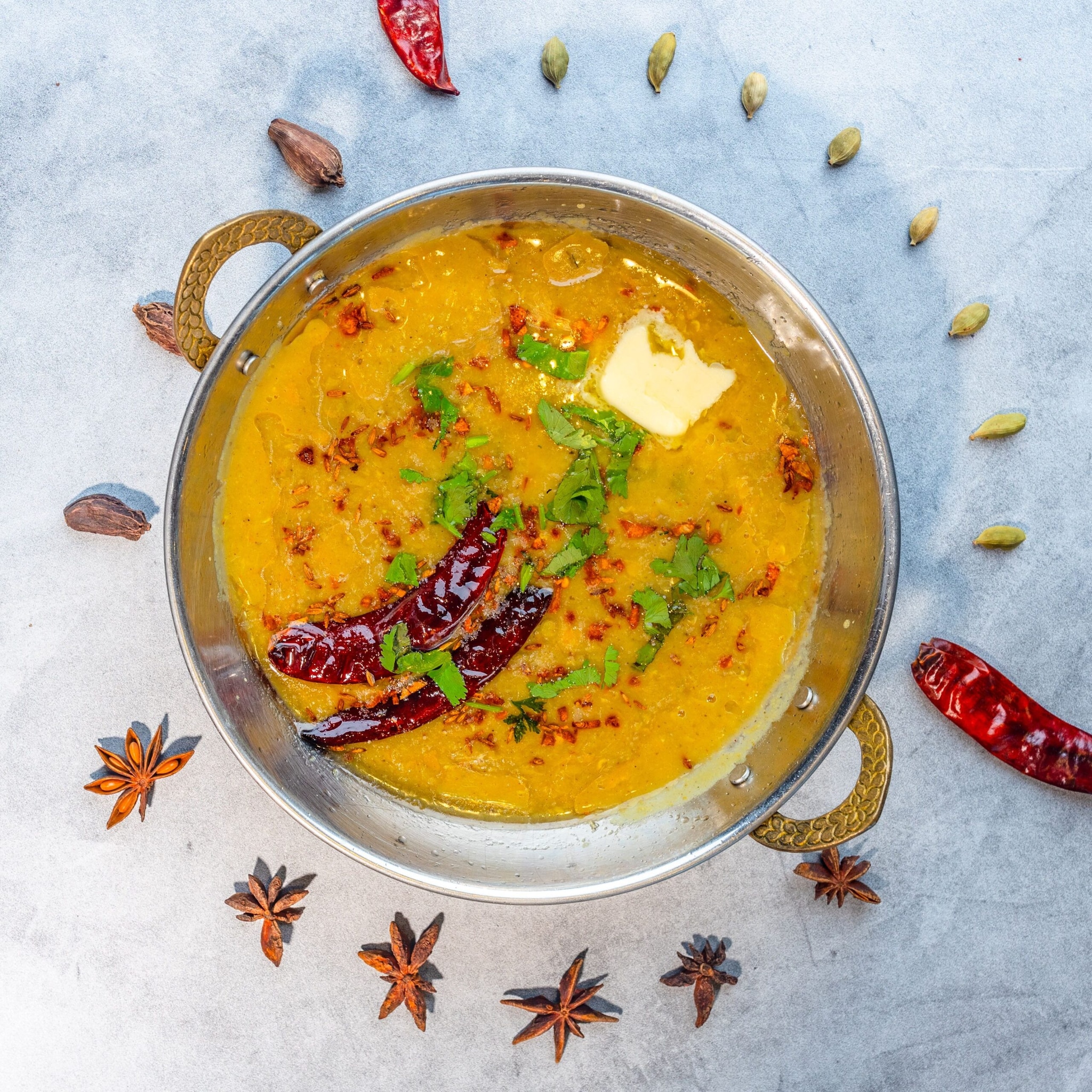
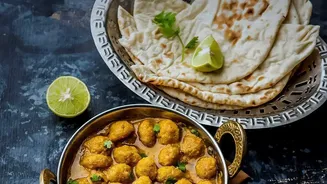
It pairs beautifully with luchi, small, deep-fried breads made from refined wheat flour that puff up when cooked. Tear into a warm luchi and scoop up the chholar dal for a classic Bengali combination that is satisfying without being complicated. While luchi and chholar dal may not appear in every pandal’s bhog menu, they are familiar favourites in Bengali festive cooking and make a delicious addition to the wider Durga Puja food tradition.