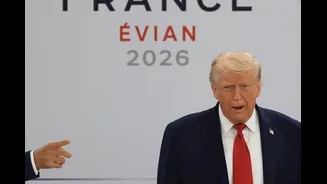








At the G7 Summit in Évian, France, U.S. President Donald Trump struck a harsh tone toward Iran, saying Washington would “go right back to dropping bombs” if Tehran doesn’t “behave.”
The warning comes as
the U.S. and Iran are scheduled to sign a Memorandum of Understanding (MoU) on Friday in Geneva, Switzerland, days after the two sides agreed to strike a deal to end the war in West Asia.
Trump warned Iran that the MoU, which is yet to be materialised, was “not final”.
“It’s a memorandum of understanding, and if I don’t like it, we’ll go back to shooting at them, dropping bombs on their heads. I don’t like it if they don’t behave. We’ll go right back to dropping bombs right smack in the middle of their head,” he said.
Leaders from several countries –– India, the U.K., France, Germany, Italy, Canada, and Japan –– gathered in the Alpine town to attend the summit, with representatives from the European Union (EU) also among those present.
‘Good For Many Reasons’
President Trump lauded the anticipated deal with Iran, stating the agreement was “good for many reasons, including preventing it from acquiring nuclear weapons”, a demand he has consistently championed.
“The agreement with Iran is good for many reasons, including preventing it from obtaining nuclear weapons”, Trump said, reiterating that the Strait of Hormuz will be “fully reopened” within the next two days once a deal is signed.
“Among the results of the agreement with Iran are rising market indicators and falling fuel prices”, he added.
Trump highlighted the Memorandum of Understanding (MoU) did not obligate Washington to pay any money to Iran.
However, he did not rule out investment by any third parties.
Referring to the Joint Comprehensive Plan of Action (JCPOA) — famously known as the Iran nuclear deal which was signed under Obama’s presidency –– Trump claimed: “The Iranians deceived Obama and got billions of dollars”.
Trump has consistently criticised his predecessor Obama for the Iran nuclear deal, which he eventually withdrew in 2018 after assuming the office for the first time.
What’s In U.S.-Iran Deal?
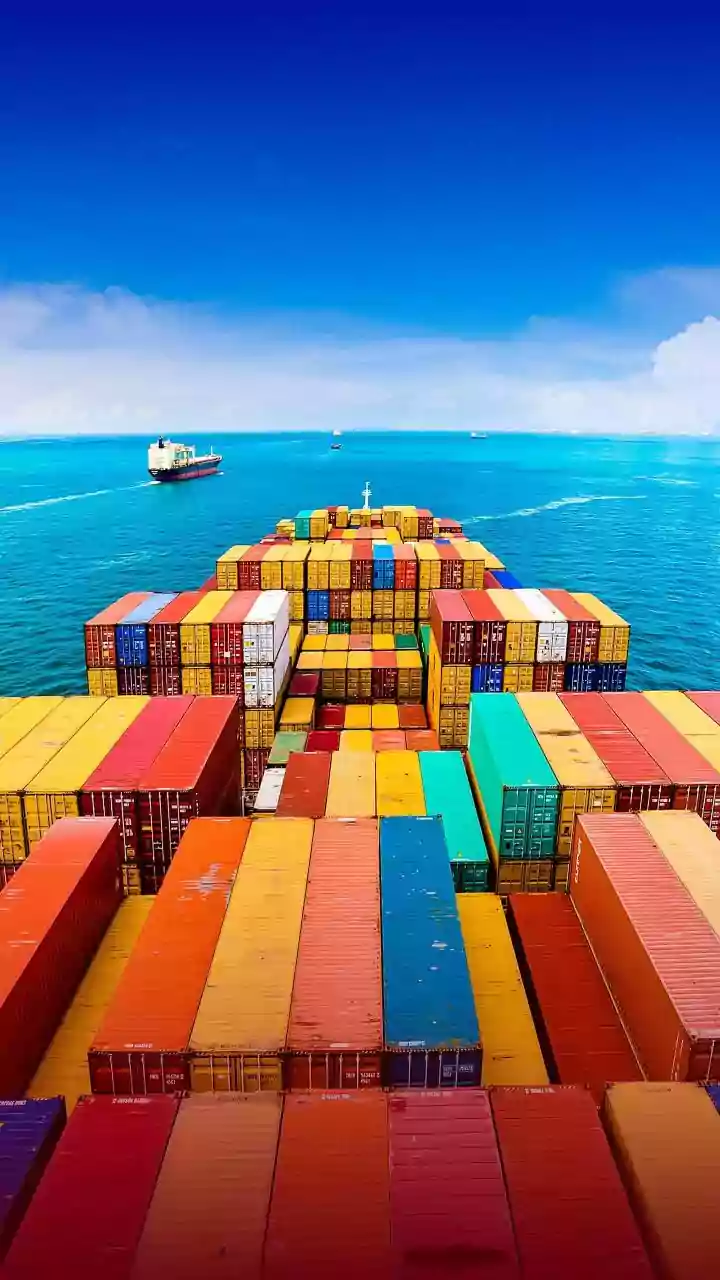
According to media reports, the MoU paves the way for an immediate reopening of the Strait of Hormuz –– a key waterway which accounts for nearly one-fifth of the world’s global oil and gas trade –– alongside opening a door for lifting American and UN sanctions.
In return, Iran vows not to pursue nuclear weapons as both sides commit to a 60-day extension of the ceasefire, providing room for negotiations and a potential comprehensive agreement.
The deal also focuses on ending the hostilities on all fronts, including in Lebanon, a condition Tehran has repeatedly stressed.