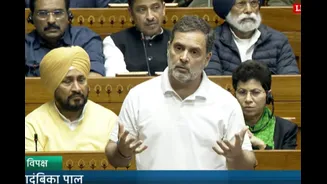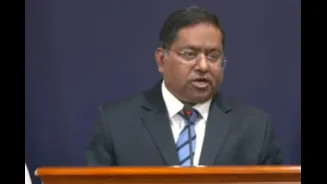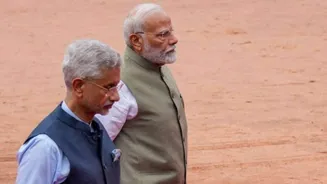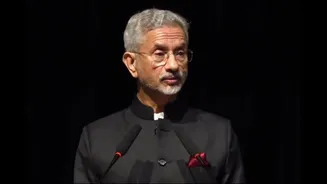





External Affairs Minister S Jaishankar on Friday told the Parliament that the Indian government is closely monitoring the ongoing situation in Iran after a wave of protests triggered by economic stagnation,
and its embassy in Tehran was in regular touch with Indian nationals.
“The Government is closely monitoring the situation in Iran. The Embassy of India in Tehran is in regular contact with Indian nationals, including students, in Iran, and is providing them regular advice,” he said in the Parliament. “The Embassy continues to assist, advise, and guide Indian citizens as required.”
“The Government does not currently view Indian nationals in Iran as stranded, given that Iranian airspace remains open and there is regular air connectivity between Iran and India and with the countries in the region. A special evacuation has therefore not been arranged by the Government so far. The Government continues to assess the situation as circumstances evolve,” he also said.
He also informed the House that there were 9,000-10,000 Indian nationals across 16 provinces in Iran, mainly students (and their families), workers, pilgrims, tourists, business persons and seafarers. “Since Iranian airspace remains open as on date, Indian nationals wishing to leave Iran have been advised to do so using available means, including commercial flights,” he said.
He also highlighted a telephonic conversation with his Iranian counterpart Abbas Araghchi, where they discussed the evolving situation in and around Iran. He also reaffirmed that India remains in touch with various interlocutors regarding the situation.
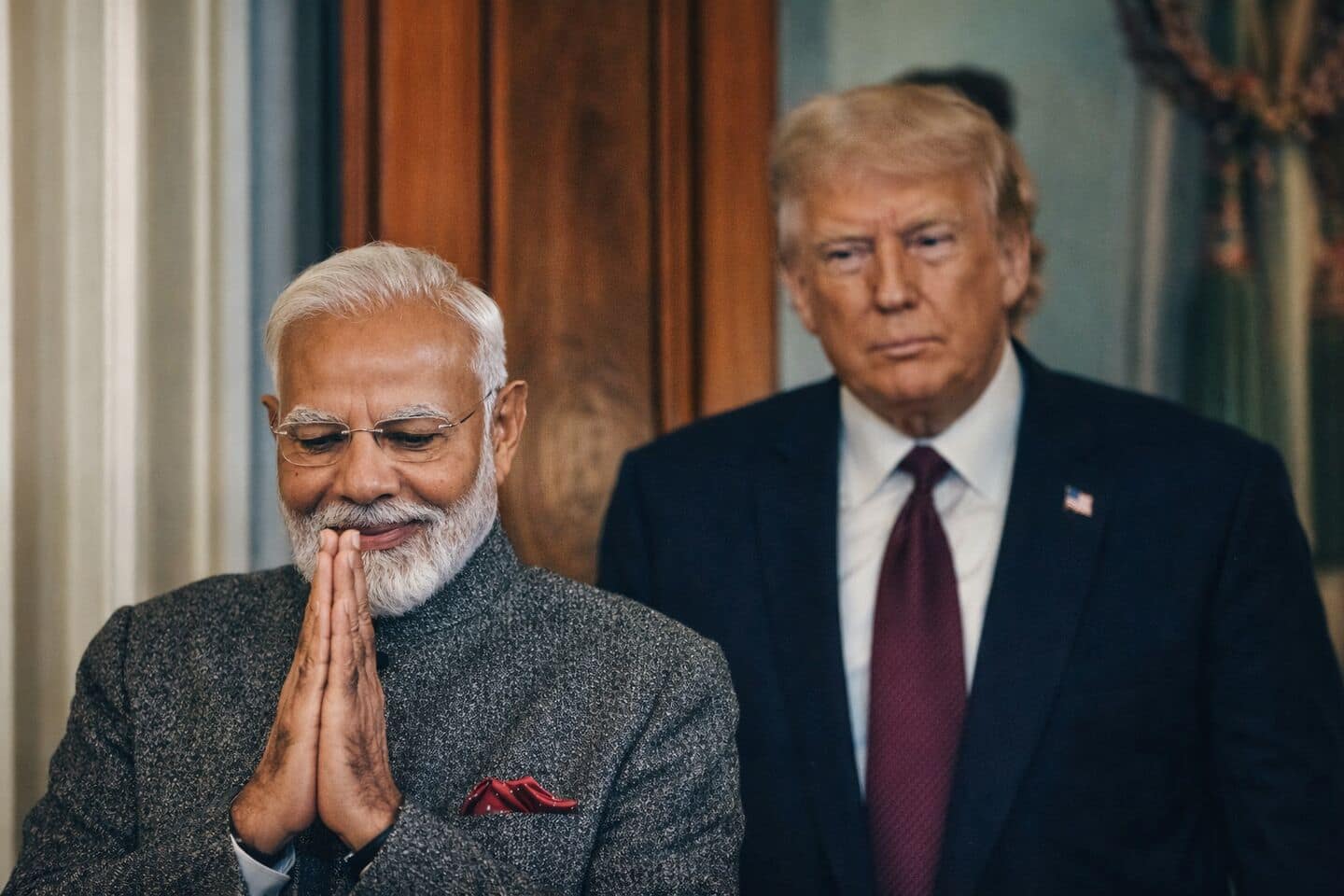
This came against the backdrop of the Iranian authorities’ deadly response to anti-government protests that began in late December and continued through last month, in which thousands of people were killed and tens of thousands arrested, prompting military threats from US President Donald Trump.
ALSO READ: Iran, US In Consultations To Restart Diplomatic, Technical Negotiations: Oman
This came against the backdrop of the Iranian authorities’ deadly response to anti-government protests that began in late December and continued through last month, in which thousands of people were killed and tens of thousands arrested, prompting military threats from US President Donald Trump.
Recently, in the Budget 2026 unveiled on February 1, India earmarked zero funds for the Chabahar port in Iran despite the landmark 10-year agreement signed in 2024 for India to operate the Shahid Beheshti terminal. Analysts suggest this withdrawal is a precautionary response to the renewed geopolitical friction involving the United States.
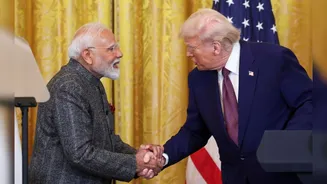
Furthermore, Trump has also asserted that India will buy Venezuelan oil instead of Iranian crude, signalling a possible shift in global energy trade flows. However, India said it will prioritise its own energy needs and remains open to all crude deals.