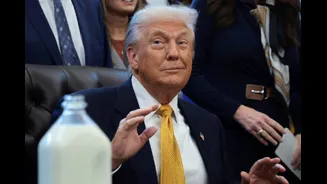





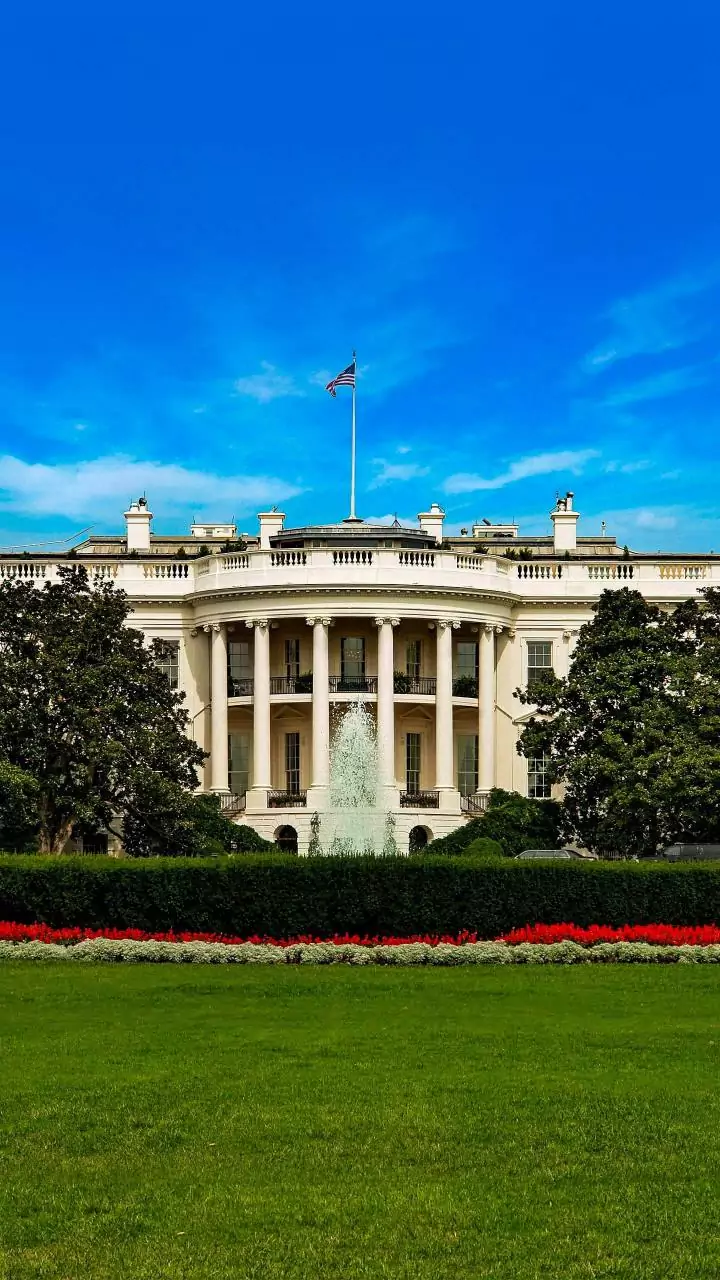




As President Donald Trump marked one year since returning to the White House, his administration underscored what aides describe as an unprecedented pace of action and communication. But the torrent of statements,
threats and provocations that have defined the opening months of his second term has also raised questions about whether constant visibility is coming at the cost of governing focus.
Speaking on the anniversary, Trump declared his first year “I don’t think there’s been a term like it. I don’t think any President has had a better first year… I inherited a mess, and now we have the hottest country in the world.”
.@POTUS on the one-year anniversary of his return to office: “I don’t think there’s been a term like it. I don’t think any President has had a better first year… I inherited a mess, and now we have the hottest country in the world.” 🔥 pic.twitter.com/QAb7yQ4rnX
— Rapid Response 47 (@RapidResponse47) January 20, 2026
The remark capped weeks in which the president dominated headlines with a string of dramatic moves — from announcing sweeping tariffs and floating military intervention abroad to issuing public threats against political rivals and foreign governments.
Since the beginning of January alone, Trump has weighed in on the hiring decisions of professional sports teams, raised the prospect of deploying US troops domestically, posed with a Nobel Peace Prize belonging to another recipient, and reignited diplomatic tensions with countries including Iran, Denmark and Colombia. Each episode generated viral attention, often eclipsing policy discussions unfolding simultaneously within the administration.
Trump’s approach reflects a presidency defined by velocity. He communicates at all hours, frequently in capital letters, and has signed off his social media posts with the phrase “thank you for your attention to this matter” hundreds of times during his second term, according to data compiled by Roll Call Factba.se. Allies describe this as intentional — a strategy aimed at commanding the national conversation regardless of topic or timing.
That spotlight is now amplified by a changed technology landscape. Unlike during his first term when he was banned from major platforms following the January 6, 2021, Capitol attack Trump now benefits from a social media ecosystem largely friendly to him. X, formerly Twitter, is owned by Elon Musk, who briefly served in Trump’s administration, while Meta CEO Mark Zuckerberg and other technology executives attended Trump’s inauguration last year.
Trump’s team has also leaned heavily on artificial intelligence tools to produce rapid-fire memes and videos, many of them provocative. Some posts have drawn criticism for crude imagery, but senior Republicans have largely dismissed such content as satire.
The strategy has proven effective in sustaining attention, but it has not resolved two persistent challenges: public concern over affordability and pressure to release files related to Jeffrey Epstein. Trump initially urged supporters to drop the Epstein issue before signing legislation mandating disclosure under bipartisan pressure. The Justice Department has since missed deadlines, prompting Democrats to accuse the White House of using headline-grabbing controversies to divert scrutiny.
On the economy, Trump has struggled to convince voters that his administration is addressing rising prices. Efforts to refocus attention, including a prime-time address and public pushes on mortgage rates, have often been overshadowed by unrelated controversies, including a recent incident in which Trump was photographed making an obscene gesture during a Michigan visit meant to highlight cost-of-living concerns.
Polling reflects the tension. While Trump retains a loyal base, approval of his handling of major issues remains low. Only about three in ten Americans approve of his approach to health care, according to recent AP-NORC surveys, while support on immigration, once a relative strength, has slipped since the start of his second term, as reported by AP.
As the election year approaches, Democrats are adapting to the same attention-driven environment Trump helped create, using podcasts, short-form video and social media virality to counter his dominance.
Whether Trump has permanently reshaped the presidency remains an open question. Former White House press secretary Ari Fleischer described Trump as “unique,” predicting that future presidents may communicate differently but at a slower pace.
For now, Trump continues to govern as he campaigns loudly, relentlessly and with little pause betting that in modern politics, attention itself remains the most powerful currency.