






India said it is closely tracking developments around a proposed US sanctions bill that could impose steep tariffs on countries purchasing Russian oil, asserting that New Delhi’s energy sourcing decisions
are driven by global market conditions and the need to ensure affordable supplies for its population.
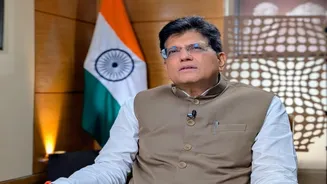
Reacting to the proposed legislation, the Ministry of External Affairs (MEA) said, “We are aware of the proposed bill. We are closely following the developments.”
“Our position on the larger question of energy sourcing is well known. In this endeavor, we are guided by the evolving dynamics of the global market and by the imperative to secure affordable energy from diverse sources to meet the energy security needs of our 1.4 billion people,” the MEA said.
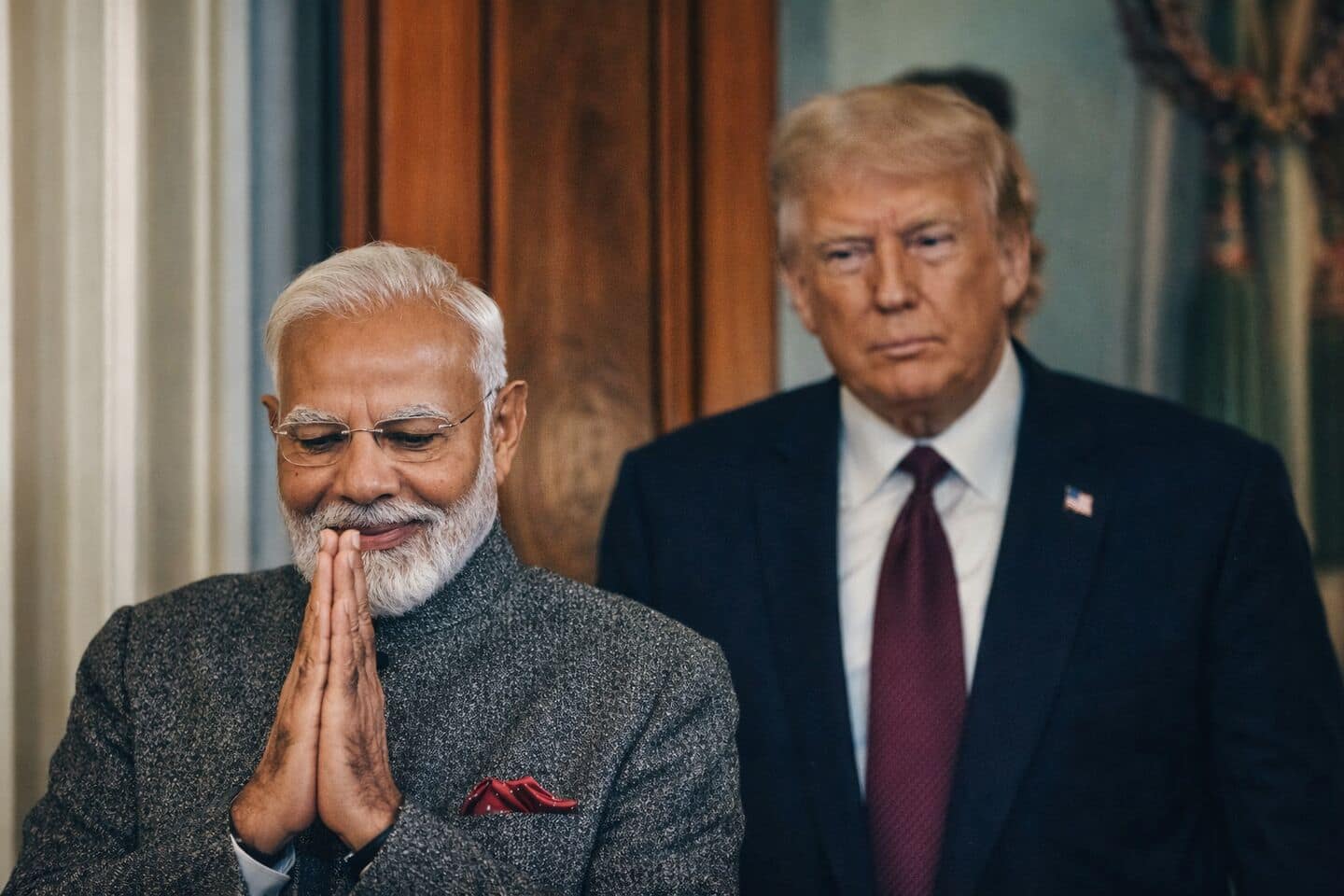
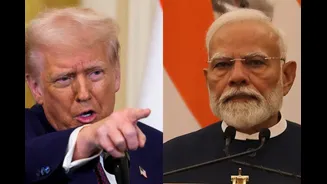
The response comes after US President Donald Trump “greenlit” a bipartisan Russia sanctions bill that could penalise Moscow’s trading partners, including India, China and Brazil, for continuing purchases of Russian oil.
Republican Senator Lindsey Graham, a key sponsor of the legislation, said Donald Trump conveyed his support for the bill during a meeting at the White House. If passed, the sanctions bill would authorise the US President to impose tariffs of up to 500 per cent on countries that knowingly buy Russian oil or uranium and, in the bill’s language, “fuel Russian President Vladimir Putin’s war machine.”
The proposed legislation is aimed at economically pressuring Moscow as the Donald Trump administration continues efforts to negotiate an end to the war triggered by Russia’s invasion of Ukraine.
“This will be well-timed, as Ukraine is making concessions for peace and Putin is all talk, continuing to kill the innocent,” Lindsey Graham said. According to the senator, a vote on the bill could take place as early as next week, although the timeline remains uncertain.
The legislation has garnered broad bipartisan backing, with dozens of co-sponsors in the US Senate and a companion bill introduced in the House of Representatives by Republican Congressman Brian Fitzpatrick.
The push on sanctions comes as the Donald Trump administration seeks to finalise a peace agreement to end the nearly four-year-old war in Ukraine, with special envoy Steve Witkoff and Jared Kushner, the US President’s son-in-law, leading negotiations on Washington’s behalf.