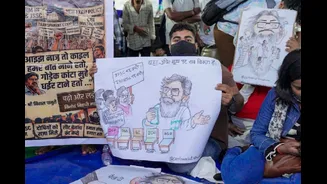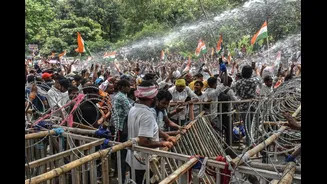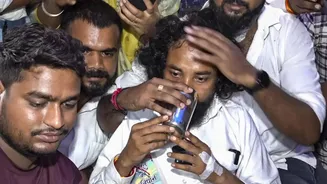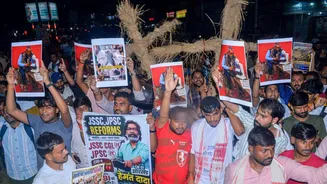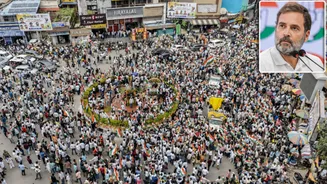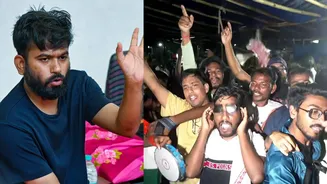






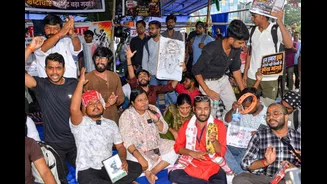
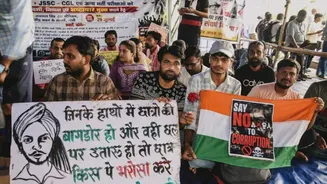
For 24 days, Jharkhand’s streets had one simple demand that the recruitment examinations that students alleged were riddled with irregularities be cancelled. On August 17, the Hemant Soren government finally
said yes.
But in cancelling the JSSC-CGL examination, along with examinations, results and selections linked to outsourced agency TSR Data Processing Pvt Ltd (TDPL) since 2014, the government may have solved one political problem only to create another. The Cabinet decision came after weeks of student protests and a prolonged hunger strike, with the government also announcing a wider inquiry into alleged irregularities dating back to 2014 and a committee to suggest reforms to the recruitment system.
The complication lies in the legal history of the very examination at the centre of the agitation.
The JSSC-CGL had already travelled through the Jharkhand High Court and reached the Supreme Court. The controversy began after allegations of irregularities and a possible paper leak surrounding the examination. The High Court eventually allowed the recruitment process to move ahead, while keeping the results of 10 candidates allegedly under suspicion on hold and allowing the remaining successful candidates to be appointed.
That order was challenged in the Supreme Court. On January 5, 2026, a bench of Justices Vikram Nath and Sandeep Mehta refused to interfere with the High Court’s decision permitting declaration of the results and appointments. The Supreme Court’s decision effectively removed the immediate legal roadblock facing successful candidates.
And now, months later, the same recruitment exercise has been cancelled by the state government.
That does not automatically mean the Soren government has defied the Supreme Court. The earlier judicial proceedings concerned whether results and appointments could proceed while allegations of irregularities were being investigated. The August 17 decision is a fresh executive decision to scrap the examination and associated recruitment process, apparently following a broader review and intense political pressure.
But the distinction may not prevent the matter from returning to court.
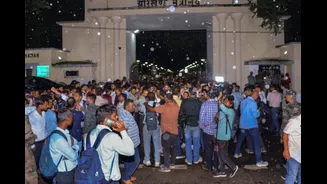
The first signs are already visible. Candidates who cleared the JSSC-CGL and secured government jobs have begun protesting the cancellation. For the students who spent weeks demanding that the examination be scrapped, the Cabinet decision represents a victory. For those who cleared the same examination and received appointments, it threatens to take away jobs they had obtained through a process that had already received judicial backing. Reports suggestaround 2,000 successful candidates are now affected.
That, perhaps, creates the most uncomfortable question in the entire episode. What happens to candidates who cleared an examination that the courts had allowed the government to complete?
The contradiction is stark. One group says retaining the examination would legitimise an allegedly compromised recruitment process. Another says cancelling it after they have cleared it amounts to punishing genuine candidates for alleged wrongdoing they had no role in.
STORY | Jharkhand: JSSC-CGL exam cancellation to end one protest triggers another as 2,000 fear job loss
“Tell us our crime. Don’t throw us out.” The plea of successful candidates outside the Jharkhand Secretariat on Tuesday captured the anguish of around 2,000 people who fear… pic.twitter.com/xPue2HBMQT
— Press Trust of India (@PTI_News) August 18, 2026
The government has sought to address the first concern by going much further than merely cancelling the CGL. It has ordered scrutiny of examinations conducted through TDPL since 2014, along with their results and selections, and has announced a broader examination reforms mechanism. The move effectively turns the controversy from a dispute over one examination into a question about the credibility of Jharkhand’s recruitment system itself.
#WATCH | Ranchi: Jharkhand CM Hemant Soren says, “Today, the Cabinet decided to cancel the JSSC-CGL examinations as well. Furthermore, a comprehensive inquiry will be conducted into all errors—minor or major—that have occurred since 2014. We will also soon convene to discuss the… pic.twitter.com/9jnEdbUaHx
— ANI (@ANI) August 17, 2026
Politically, the decision also carries significant weight.
The Soren government had been under sustained pressure from students demanding action. The agitation had continued even as the government engaged with protesters, with student leaders insisting on a CBI probe into the alleged irregularities. On August 17, the government accepted the central demand to cancel the CGL and other examinations, but the protesters indicated that their wider demands had not been fully met.
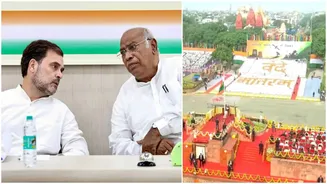
That puts the Congress in an interesting position as well. Examination integrity and paper leaks have become a significant part of Rahul Gandhi’s political messaging, particularly around the concerns of young job aspirants.Congress leaders have backed the Jharkhand students’ agitation, with Gandhi urging Soren to meet the protesters.
Politically, the cancellation allows the Soren government and its Congress ally to demonstrate that they listened to students. Legally though, the story may have only begun.
The government may now have to defend why an examination and recruitment process that survived a High Court challenge and a subsequent Supreme Court challenge should nevertheless be retrospectively cancelled. The successful candidates, meanwhile, have a straightforward counter-question that if the courts allowed their appointments to proceed, on what legal basis can those appointments now be undone?
And this is precisely where Jharkhand’s exam controversy enters a new phase. For the students who protested, August 17 was a victory on the streets. For the candidates who cleared the CGL, it was the beginning of fresh uncertainty. And for the Soren government, what looked like a political resolution could soon become a legal test.