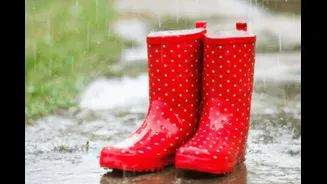










Monsoon brings welcome relief from the heat but also creates wet roads, muddy paths and slippery surfaces. Choosing the right footwear becomes essential for staying comfortable and protecting your feet.
Rain boots are specifically designed to keep water out and provide better grip on wet surfaces, while regular everyday shoes, including running and walking shoes, offer better cushioning, breathability and all-day comfort. Understanding their differences will help you choose the footwear that keeps you comfortable and protected throughout the rainy season.
Verdict: Which one should you choose?
Choose rain boots if:
● You frequently walk through waterlogged streets.
● You commute during heavy rainfall.
● Waterproof protection is your top priority.
● You work outdoors during the monsoon.
● You want maximum grip on wet surfaces.
Choose regular shoes if:
● You mostly travel by car or public transport.
● You spend most of the day indoors.
● You prefer lightweight, cushioned footwear.
● You walk long distances every day.
● You want footwear for year-round use.
For heavy monsoon conditions, rain boots offer the best protection against water and mud. Regular shoes remain a practical choice for light rain, commuting and everyday use when paired with water-resistant materials.
Top picks
Fubotao Women’s Mid Calf Rainboots
HILLSON 101 Jungli Fashion Rain Gumboots
CKWLXQY Men’s Rain Boots
Aldo Men’s Sneakers
Skechers Go Walk Shoes
Puma Flexfocus Running Shoes
Quick comparison
| Feature | Rain Boots | Regular Shoes |
|---|---|---|
| Waterproof protection | Excellent | Moderate |
| Comfort | Good | Excellent |
| Breathability | Limited | Very good |
| Grip on wet roads | Excellent | Good |
| Everyday use | Seasonal | Year-round |
| Office suitability | Limited | Excellent |
| Cleaning | Very easy | Moderate |
| Price | Budget to moderate | Budget to premium |
| Best for | Heavy monsoon | Daily wear |
How do rain boots work?
Rain boots are made from waterproof materials such as PVC or rubber that completely block water from entering. They feature sealed construction, slip-resistant soles and higher ankle coverage to protect your feet from puddles, mud and wet roads. Unlike regular footwear, rain boots are designed specifically for use during heavy rainfall and waterlogged conditions.
Most modern rain boots also include cushioned insoles and textured outsoles to improve walking comfort and grip on slippery surfaces.
Where rain boots perform best
Heavy rainfall Waterlogged streets Muddy roads Outdoor work Monsoon travel Wet trekking trails
Where rain boots struggle
Less breathable than regular shoes Bulky for everyday use Not suitable for formal offices Can feel warm during humid weather Limited year-round usability
Rain boots are ideal for anyone who regularly encounters heavy rain and flooded roads during the monsoon.
How do regular shoes work?
Regular shoes are designed primarily for everyday comfort, support and versatility. They use materials such as mesh, canvas, synthetic fabrics or leather to provide breathability and cushioning for daily walking. While some modern shoes feature water-resistant coatings, most are not fully waterproof and may absorb water during heavy rainfall.
Many sports and walking shoes include cushioned midsoles, flexible outsoles and breathable uppers, making them comfortable for long hours of use in dry or mildly wet conditions.
Where regular everyday shoes perform best
Daily commuting Office wear Casual outings Long walking sessions Year-round use Smart casual dressing
Where regular shoes struggle
Absorb water during heavy rain Longer drying time Reduced grip on flooded roads Wet interiors may cause discomfort Leather shoes require extra care after rain
Regular shoes remain the best everyday footwear for users who experience only occasional rain and spend most of their time indoors.
Which offers better protection during the monsoon?
Rain boots are specifically designed for wet weather and clearly outperform regular shoes when it comes to waterproof protection. Their sealed construction prevents water from entering even while walking through puddles or flooded streets. The higher ankle coverage also keeps mud and splashes away from your feet.
Regular shoes provide adequate protection only during light rain, especially if they use water-resistant materials. Mesh running shoes and canvas footwear tend to absorb water quickly, leaving your feet wet and uncomfortable. Some synthetic running and walking shoes include water-resistant coatings, but most mesh shoes absorb water quickly and require thorough drying after exposure to rain.
Protection comparison
Rain boots: Complete waterproof protection with superior grip on wet and muddy surfaces
Regular shoes: Comfortable for light rain but not suitable for prolonged exposure to water
If you regularly face heavy rainfall or waterlogged roads during the monsoon, rain boots provide significantly better protection than regular shoes.
Which is more comfortable for everyday use?
Comfort depends on how long you wear your footwear and the weather conditions.
Running and walking shoes are designed for everyday walking and typically feature cushioned midsoles, breathable uppers and flexible soles that reduce foot fatigue. They are suitable for office work, shopping, commuting and extended periods of walking in dry or lightly wet conditions.
Rain boots prioritise waterproof protection over breathability. While modern models include padded insoles and ergonomic designs, they can feel heavier and warmer during prolonged wear, particularly in humid weather. They are most comfortable when worn specifically during rainy conditions rather than throughout the day.
Comfort comparison
Rain boots: Comfortable for wet weather with waterproof protection
Regular shoes: Better cushioning, breathability and comfort for all-day wear
For everyday comfort, regular shoes remain the better choice, while rain boots excel during heavy monsoon conditions.
Which is easier to maintain?
Rain boots are among the easiest footwear to maintain. Since they are made from waterproof rubber or PVC, they can usually be cleaned with a damp cloth or rinsed under running water. They also dry quickly and are less likely to develop water damage.
Regular shoes require more care after getting wet. Fabric and mesh shoes should be dried thoroughly after getting wet to prevent odours and protect the cushioning materials. Quick drying also helps extend the life of the shoes
Maintenance comparison
Rain boots: Quick to clean and highly resistant to water damage
Regular shoes: Require more cleaning and proper drying after rain exposure
Rain boots are the easier option to maintain throughout the monsoon season.
Which footwear is better for the monsoon in 2026?
With increasingly unpredictable rainfall across many parts of India, waterproof footwear has become more important than ever. The right choice depends on your daily routine and how often you encounter wet conditions.
Rain boots are the ideal option for people who commute on foot, ride two-wheelers or frequently walk through waterlogged streets. Their waterproof construction and superior grip provide better protection and safety during heavy rain.
Running and walking shoes remain the practical choice for students, commuters, fitness enthusiasts and anyone who spends most of the day indoors or travels mainly by car or public transport.
Which option suits your situation?
| Situation | Better choice |
|---|---|
| Heavy rainfall | Rain Boots |
| Waterlogged roads | Rain Boots |
| Outdoor work | Rain Boots |
| Daily commuting | Regular Shoes |
| Long walking commute | Regular Shoes |
| Light monsoon showers | Regular Shoes |
| Weekend outdoor activities | Rain Boots |
| Year-round everyday use | Regular Shoes |
Rain boots provide the best protection during severe monsoon conditions, while regular shoes remain the more practical choice for everyday comfort and year-round use.
FAQs
Are rain boots better than regular shoes during the monsoon?
Yes. Rain boots provide complete waterproof protection and better grip, making them the safer choice during heavy rainfall and flooded roads.
Can I wear regular shoes in the rain?
Yes, but only during light showers. Most regular shoes are not fully waterproof and may absorb water if exposed to heavy rain.
Which footwear is more comfortable for daily use?
Regular shoes are generally more comfortable because they offer better cushioning, flexibility and breathability for extended wear.
Do rain boots prevent slipping?
Yes. Most rain boots feature slip-resistant rubber soles that provide better traction on wet and muddy surfaces.
Which footwear is easier to maintain?
Rain boots are easier to clean because they are waterproof and can usually be wiped clean or rinsed with water.
Which should I buy overall?
Choose rain boots if you regularly face heavy rainfall, flooded streets or outdoor work during the monsoon. Choose regular shoes if you want comfortable, cushioned footwear for everyday commuting, walking and occasional rain.
Disclaimer: The items curated in this feature were provided to News18 by the respective brands for an authentic, hands-on evaluation. These insights are based solely on our independent testing and personal experience. To keep you ahead of the curve with the latest trends, News18 utilises affiliate links. This means if you decide to shop through our recommendations, we may earn a small referral commission at no extra cost to you. Please be advised that News18 is not responsible for any claims under the Consumer Protection Act, 2019, or other applicable laws regarding the final performance, quality, or safety of these products.