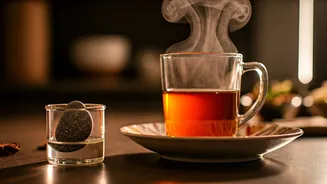




That first sip of chai feels like comfort—but the heaviness that follows tells a different story. Somewhere between brewing and boiling, things might be going wrong. However, you don’t have to give up
your favourite drink. A few simple tweaks in how you make your tea can make all the difference. Here’s where most of us go wrong—and how to fix it.
1. Not Boiling the Water Properly
One of the most common mistakes is rushing the process. Many people add tea leaves and spices like cardamom directly to lukewarm or barely heated water. This disrupts the brewing process.
Instead, always let the water come to a proper boil first. Only then add your spices. This helps release their natural flavours without upsetting your stomach.
2. Using Too Much Milk
If your chai is more milk than water, it could be the reason behind your acidity. Heavy milk-based tea is harder to digest and can trigger gas.
Try switching to lighter tea with less milk—or even black tea. If you prefer milk, add just a small amount. The lighter your chai, the gentler it is on your stomach.
3. Adding Tea Leaves Too Early
Another common habit is adding tea leaves along with milk and sugar right at the start. This isn’t ideal.
First, let the water, milk, and sugar boil together for a couple of minutes. This allows the sugar to dissolve properly and the milk to blend well. Only after that should you add the tea leaves.
4. Over-Boiling the Tea Leaves
Strong chai lovers, take note—over-boiling tea leaves is a major trigger for acidity. Adding too much tea and letting it boil for too long increases tannins, which can irritate your stomach.
Use a moderate amount of tea leaves and add them at the end. Let the tea simmer for just 1–2 minutes with the lid on. That’s enough to extract colour and flavour without making it harsh.
5. Reheating Tea Again and Again
Reheating chai might seem harmless, but it increases tannin levels and makes the tea more acidic. This not only affects taste but also your gut health.
It is best to make only as much tea as you can finish in one go. Avoid repeatedly boiling or reheating it.