






Iran’s Deputy Foreign Minister Kazem Gharibabadi has said Tehran’s commitments under the newly announced agreement with the United States will come into effect from Friday, as uncertainty continues over
key aspects of the deal, including frozen Iranian assets, sanctions relief and future negotiations.
Gharibabadi said Iran would enter formal negotiations only after several conditions are met, including the unfreezing of assets, the lifting of the naval blockade and an end to the war. His remarks came amid conflicting reports about whether billions of dollars in frozen Iranian funds will be released as part of the agreement.
Dispute over frozen Iranian assets
Iranian state media has published what it claims are the provisions of a 14-point memorandum of understanding (MoU) between Tehran and Washington.
According to Iran’s Mehr news agency, the United States has agreed to release $12 billion in frozen Iranian assets before the start of formal negotiations.
Mehr reported that the draft memorandum provides for the release of $24 billion in blocked Iranian funds during a 60-day negotiation period that would begin after the MoU is concluded.
The document states that half of the amount, or $12 billion, must be made available to Iran before negotiations begin. However, the reported provisions have not been officially confirmed by either government.
At the same time, a senior US official has rejected that characterisation of the agreement, flatly denying reports that Iran would receive such funds in advance.
Conditions before talks begin
According to the document published by Mehr, final negotiations cannot begin until several conditions are fulfilled.
These include the release of half of Iran’s blocked assets, the suspension of oil sanctions and the lifting of the US naval blockade.
The document also states that discussions regarding Iran’s missile programme and its support for Resistance groups have been “definitively removed from the agenda”.
Gharibabadi reiterated that Iran would only enter negotiations once its assets are unfrozen, the blockade is lifted and the conflict has ended.
Geneva signing planned
According to reports cited by The New York Times, Iran’s chief negotiator and Parliament Speaker Mohammad Bagher Ghalibaf, along with Foreign Minister Abbas Araghchi, will travel to Geneva to sign the agreement.
The signing is expected to take place alongside US Vice President JD Vance.
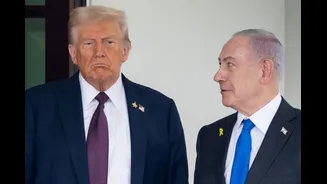
US President Donald Trump announced the agreement on Sunday, saying it would bring an end to the war, reopen the Strait of Hormuz and remove the US naval blockade. The memorandum of understanding is expected to be signed in Switzerland on Friday.
Israel signals resistance
Even as preparations continue for the signing, concerns remain over the regional implications of the agreement.
According to a report by Ynet, senior Israeli officials said Israel may face pressure from Washington if the United States seeks Israeli withdrawals or restrictions on military operations in Lebanon as part of the broader arrangement with Iran.
“Right now, the prime minister is standing firm and succeeding in pushing back such Iranian demands,” one senior Israeli official was quoted as saying.
The official added that the Americans understood Israel viewed the issue as a red line.
According to the report, the prevailing view within Israel’s Security Cabinet is that Israel would maintain its position on Lebanon even if that led to disagreements with Washington.
Key issues deferred
Although the framework agreement provides for an end to military operations, several major issues remain unresolved.
Questions surrounding Iran’s nuclear programme, sanctions relief, frozen assets and the future of fighting in Lebanon have been deferred to future negotiations.
While the announcement marks a significant diplomatic breakthrough between Washington and Tehran, many of the most contentious aspects of the relationship are expected to be addressed only in the next phase of talks.