









US-Iran War: The ongoing conflict between the United States and Iran has once again put some of the world’s busiest maritime trade routes under the spotlight. While the Strait of Hormuz has remained at the centre
of the crisis, tensions are now spreading to another crucial shipping lane.
Amid the intensifying standoff over the Strait of Hormuz, Tehran has asked Yemen’s Houthi movement to prepare to shut the Bab el-Mandeb Strait, the gateway to the Red Sea, if the United States targets Iranian power infrastructure. The development comes as the Strait of Hormuz is already witnessing conflict linked to the US-Iran war.
The latest developments have renewed concerns over the world’s major maritime chokepoints. Every day, millions of barrels of crude oil, liquefied natural gas (LNG), food, electronics and manufactured goods pass through these narrow waterways. Any disruption caused by war, piracy, political disputes or accidents can raise shipping costs, delay supplies and affect economies across the world.
Hormuz remains world’s busiest oil route
Situated between Iran and Oman, the Strait of Hormuz connects the Persian Gulf with the Gulf of Oman and is one of the world’s busiest energy corridors.
Major oil exporters including Saudi Arabia, Iraq, the UAE, Kuwait, Qatar and Iran depend on the route to transport crude oil, LNG and petroleum products.
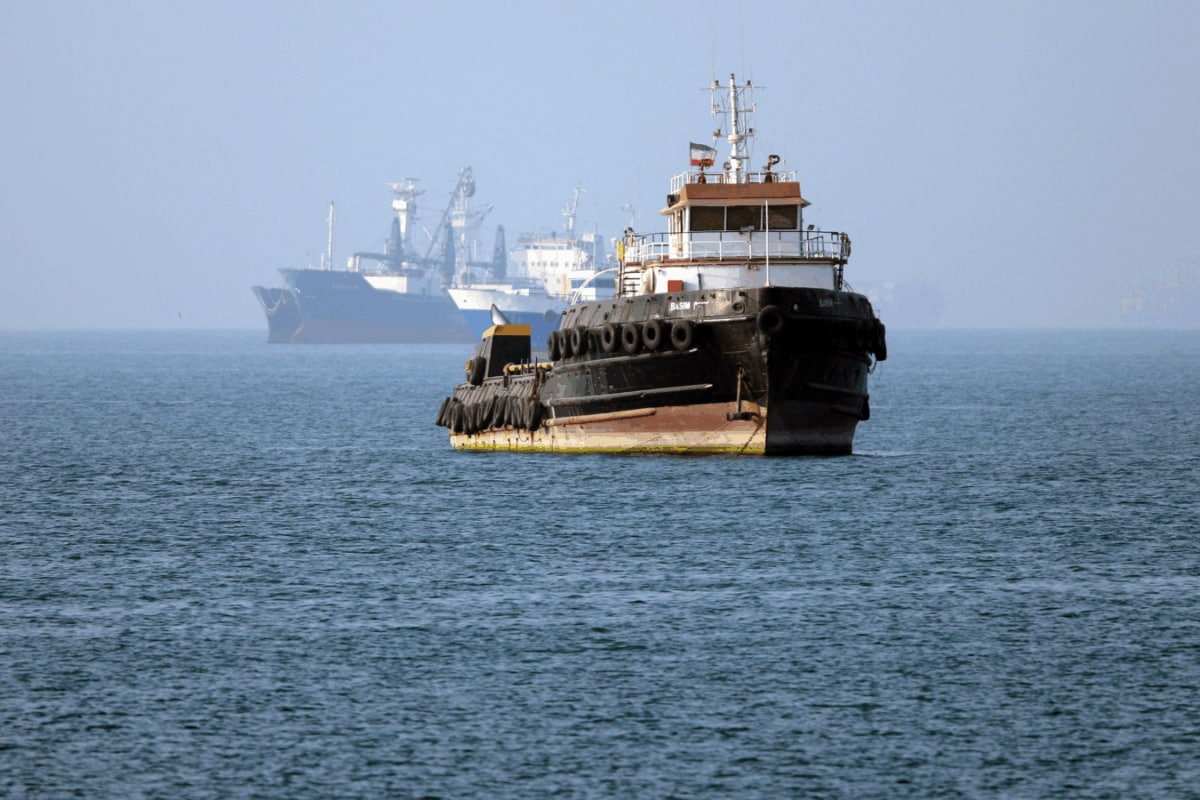
Amid the ongoing US-Iran tensions, the strait remains vulnerable to naval confrontations, mines and missile attacks, making it one of the world’s most closely watched maritime passages.
Bab el-Mandeb: Gateway to Red Sea
Located between Yemen, Djibouti and Eritrea, the Bab el-Mandeb Strait connects the Red Sea with the Gulf of Aden and serves as a vital route for ships travelling between Europe and Asia before entering the Suez Canal.
The waterway has faced growing security threats from Houthi attacks, drone strikes, missile attacks and commercial shipping diversions.
If the strait is blocked, ships would have to sail around the Cape of Good Hope in southern Africa, significantly increasing travel time and transportation costs.
Suez Canal and Strait of Malacca
The Suez Canal in Egypt is one of the world’s most important trade routes, carrying container ships, cars, oil, chemicals and consumer goods.
Its importance was highlighted during the 2021 Ever Given incident, when a single stranded vessel disrupted global trade for several days.
Another crucial maritime passage is the Strait of Malacca, located between Indonesia, Malaysia and Singapore. It is one of Asia’s busiest shipping lanes and plays a key role in trade involving China, Japan, South Korea and India.
Oil, LNG, electronics, semiconductors and consumer goods pass through the route. Any conflict involving China would immediately put the strait in focus because of its importance to regional and global trade.
Panama Canal, Bosporus and Taiwan Strait
The Panama Canal connects the Atlantic and Pacific Oceans and is essential for trade involving the United States, Latin America and global container shipping. However, the canal has faced operational challenges due to drought, water shortages and reduced ship traffic.
The Bosporus Strait in Turkey links the Black Sea with the Mediterranean and is strategically important for grain exports, oil, natural gas and military movement involving countries such as Ukraine and Russia.
The Taiwan Strait remains one of the world’s biggest geopolitical flashpoints. It is vital for semiconductor supply chains, China-Taiwan trade and shipping serving Japan and South Korea. Any conflict there could disrupt electronics production, chip supplies and global manufacturing.
Why India should be concerned?
India depends on several of these maritime routes for crude oil imports, LNG imports, fertilisers, consumer goods and electronics. Any disruption along these shipping lanes could lead to higher fuel prices, increased freight costs, inflation and longer delivery times.
India is particularly exposed to disruptions at Bab el-Mandeb because the Red Sea-Suez corridor is a major route for the country’s trade with Europe, Africa and beyond. If both Bab el-Mandeb and the Strait of Hormuz come under stress at the same time, the impact on India would be far greater as ships would be forced to reroute around the Cape of Good Hope.
Reports say a large share of India’s exports and imports linked to Europe move through the Red Sea corridor, making Bab el-Mandeb strategically important even though India is not directly involved in the conflict.
A prolonged disruption could result in higher freight and insurance costs for exporters and importers, delays in the movement of oil, LNG, fertilisers and consumer goods, upward pressure on inflation if the disruption lasts for weeks or months, and reduced competitiveness of Indian exports to Europe because of longer shipping routes.
World’s vulnerable maritime chokepoints
The world’s busiest maritime chokepoints face threats ranging from wars, piracy and terror attacks to naval blockades, political disputes, shipping accidents and climate-related disruptions such as droughts affecting canals.
Although the Strait of Hormuz often dominates headlines during geopolitical crises, it is only one part of a much larger network that keeps global commerce moving.
Bab el-Mandeb is also one of the world’s most critical maritime chokepoints. Any disruption there can have consequences far beyond the Red Sea. For India, the concern extends beyond oil imports to the broader impact on trade flows, logistics, shipping costs and consumer prices.