







In a wellness culture dominated by superfoods and aesthetic bowls, Kareena Kapoor’s idea of a “signature salad” feels refreshingly grounded. In a recent interview, the actor described a combination that
doesn’t chase trends or rules. It simply reflects how Indian families eat every day. The moment resonated not because it sounded aspirational, but because it felt instantly recognisable.
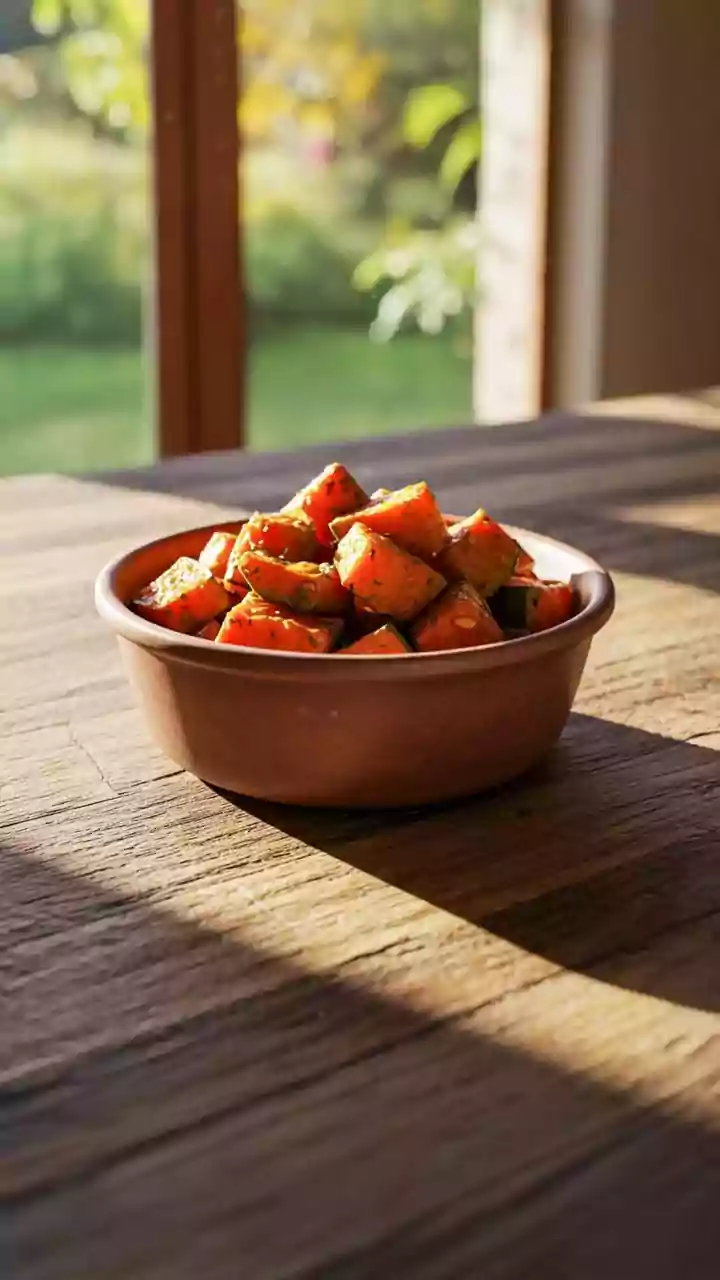
Describing her ideal salad mix, Kareena Kapoor listed vegetables that rarely need an introduction in Indian kitchens. “Oh my god, there would definitely be kakri (cucumber), gajar (carrot), because the whole family loves it. Throw in some fresh lettuce,” she told CNBC-TV18 YT. It’s a plate built on crunch, freshness, and familiarity – raw vegetables that appear as often in weekday meals as they do in festive spreads.
Then came the detail that sealed its cultural authenticity. “Mooli (radish), I’m a Punjabi. Toh thoda mooli hoga usme. And then you know that thoda nimbu (a little bit of lemon) and I like it a little chatpata.” The flavours are clean but lively, driven by acidity rather than heavy dressings – a quiet reminder that balance doesn’t have to be bland.
From a health perspective, the combination checks several boxes without trying too hard. Cucumbers support hydration, carrots add fibre and beta-carotene, radish aids digestion, and lemon boosts absorption while waking up the palate. The absence of creamy dressings or processed toppings keeps the focus on natural textures and nutrients, making it sustainable rather than restrictive.
What stands out is not the nutritional perfection, but the ease. This is food that can be put together in minutes, eaten by the whole family, and adjusted instinctively rather than measured obsessively.
The salad also stands out for its refusal to overcomplicate nourishment. There are no imported superfoods or elaborate dressings – just fresh produce, acidity, and crunch. In a wellness landscape that often rewards excess planning, this approach reinforces a quieter truth: meals that are easy to assemble are far more likely to become habits. Consistency, after all, is what sustains health over time, not novelty.