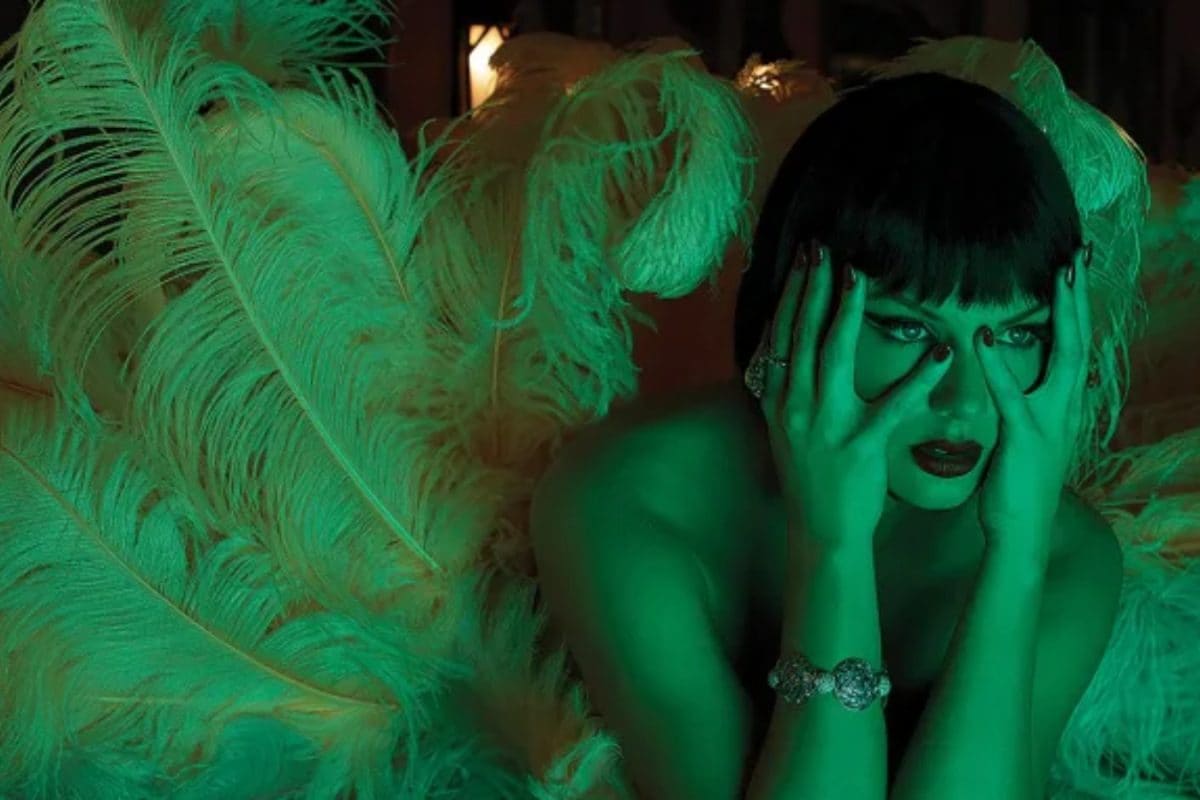








Taylor Swift is back in the headlines but this time, it’s not just about music or records. A new legal dispute has brought her latest album title under scrutiny, setting the stage for a courtroom battle
over branding and ownership.
A lawsuit filed in California federal court on Monday accuses Swift and UMG Recordings of trademark infringement, false designation and unfair competition. The complaint has been brought by writer and performer Maren Wade, who claims rights over a similar name and is seeking damages along with a court order to stop the continued use of the album title.
At the centre of the dispute is Swift’s recent album, The Life of a Showgirl. Wade argues that the title closely overlaps with her own long-running brand, which she has developed over several years across multiple platforms.
“A solo performer who spent twelve years building a brand shouldn’t have to watch it disappear because someone bigger came along,” said Jaymie Parkinnen, a lawyer for Wade, in a statement.
Wade’s connection to the name dates back to 2014, when she began writing a column titled “Confessions of a Showgirl” for Las Vegas Weekly. The concept later expanded into a podcast and a live show featuring pop and jazz performances. According to the lawsuit, her trademark covers live stage acts, theatrical productions and television content.
The complaint alleges that Swift’s team widely used the album title soon after its release. “They did not do so quietly,” reads the complaint. “Within weeks, the designation was affixed to consumer goods, stamped onto labels, tags, and packaging, and deployed as a source identifier across retail channels—all directed at the same audience Plaintiff had spent years cultivating.”
The legal filing further states that when Swift attempted to register The Life of a Showgirl, the U.S. Patent and Trademark Office rejected the application. According to the lawsuit, officials found the name too similar to Wade’s existing mark, noting the shared phrase “of a Showgirl” and the overlap in entertainment-related services. The concern, it says, was that consumers could mistakenly assume a connection between the two.
Trademark law typically gives priority to existing registrations, placing Swift in a position where she may need to either challenge the claims in court or negotiate for rights to the name.
Wade also claims that the situation has already affected her brand, alleging confusion among audiences who now believe she copied Swift’s work. “The continued erosion of that mark threatens the entirety of” Wade’s brand, the complaint states.
Swift has not publicly responded to the lawsuit.
The singer is known for maintaining a wide-ranging trademark portfolio, with more than 170 active or pending registrations tied to her name, phrases and business ventures. Her brand operations include TAS Rights Management, which oversees trademark control, and Bravado, which handles merchandise production across global markets.