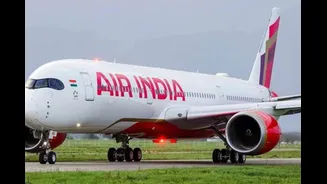

For thousands of flyers who had finally grown used to a single boarding pass and a long but uninterrupted sleep, the news landed like turbulence mid-Pacific. Air India has decided to discontinue its non-stop
flights from Bengaluru and Mumbai to San Francisco from March 1, 2026, pulling the plug on two of India’s most commuter-heavy long-haul routes.
On paper, this is a network rationalisation. On the ground, it is a daily inconvenience for tech workers, students, families, and business travellers who built their routines around these direct services.
Why These Flights Mattered to Everyday Flyers
The Mumbai–San Francisco and Bengaluru–San Francisco non-stops were not luxury routes. They were practical ones. Bengaluru’s flight, in particular, became a lifeline for the city’s tech ecosystem, allowing engineers, start-up founders, and H-1B workers to skip European or Middle Eastern layovers entirely.
For commuters, the biggest win was predictability. One long flight meant fewer immigration bottlenecks, no missed connections, and lower chances of baggage going rogue in Frankfurt or Doha. Parents travelling with children, elderly passengers, and first-time international flyers all benefited from the simplicity of flying straight into the US West Coast.
What Changes Now for Passengers
With the direct flights gone, commuters from Bengaluru and Mumbai will now have to plan at least one stopover to reach San Francisco. That usually means routing via Delhi, European hubs like Frankfurt or London, or Middle Eastern airports such as Dubai and Doha.
For passengers, this adds more than just flying time. A journey that earlier took around 16 to 17 hours door to door can now stretch beyond 22 or even 26 hours, depending on layovers. Longer transit times also mean higher fatigue, tighter visa considerations for transiting countries, and a greater risk of missed connections during peak travel seasons.
The Delhi Factor and Capacity Shuffle
Air India is expected to consolidate more of its US West Coast operations through Delhi. While this may work operationally for the airline, it creates an extra domestic hop for southern and western India flyers. For Bengaluru passengers, this effectively means flying north before flying west, adding both cost and complexity.
Frequent flyers point out that this shift hits Bengaluru commuters harder than Delhi-based travellers, who still retain relatively better long-haul connectivity. For a city that brands itself as India’s Silicon Valley, losing a direct San Francisco link feels like a step backward.
Cost, Comfort, and Crowd Pressure
Indirect routing often looks cheaper on fare comparison sites, but commuters say the real cost shows up elsewhere. Additional hotel stays during long layovers, airport meals, and time taken off work quickly add up. Comfort also takes a hit. More security checks, more boarding queues, and more chances for delays are now baked into every trip.
There is also concern that remaining one-stop options will get crowded quickly, pushing up fares during peak months like June, December, and the US academic intake season.
What About Existing Bookings?
Passengers already booked on direct flights beyond February 2026 are expected to be rebooked on alternative routes or offered refunds, depending on fare rules. Flyers are advised to check directly with the airline rather than relying on third-party platforms, especially for corporate or student tickets.
A Bigger Question for Indian Flyers
For commuters, this is not just about one airline or one route. It highlights how fragile long-haul convenience still is for Indian cities outside Delhi. While fleet upgrades and route expansions are promised, travellers are left navigating the gap in the meantime.
Until new aircraft arrive and networks stabilise, the era of easy, direct West Coast travel from Bengaluru and Mumbai appears to be on pause. For now, Indian commuters heading to Silicon Valley must return to an old truth of international travel: pack patience along with your passport.