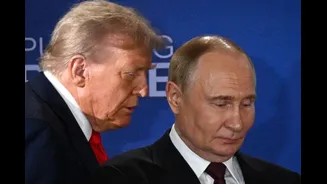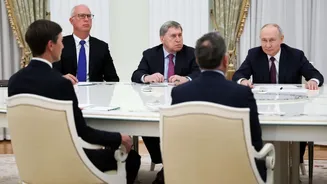





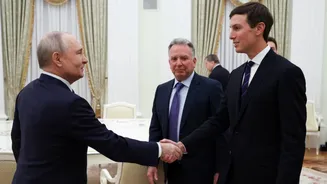
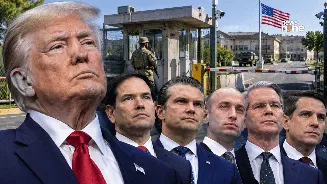

US special envoy Jared Kushner has said he will travel to Moscow on Thursday to meet Russian President Vladimir Putin, following two days of trilateral peace talks involving Russian, Ukrainian and American
officials in Abu Dhabi.
Speaking about the proposed visit, Kushner said the Russians had emphasised the need for tangible progress in negotiations before any meeting between Putin and Ukrainian President Volodymyr Zelenskyy.
“I will head to Moscow tomorrow to meet with Russian President Putin,” Kushner said, according to Al Jazeera.
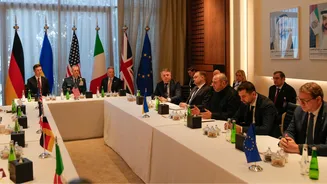
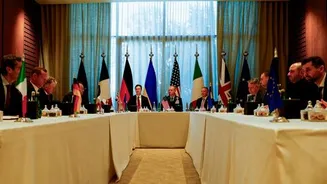
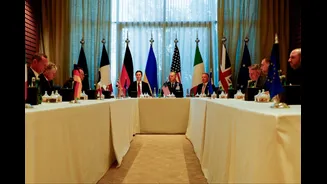
The proposed Moscow visit comes after Kushner and fellow US envoy Steve Witkoff participated in two-day talks in Abu Dhabi, where officials from Russia, Ukraine and the United States explored possible steps towards ending the war.
According to Reuters, Russian, Ukrainian and US officials began a second day of peace talks in Abu Dhabi on Wednesday, continuing discussions that Kyiv and Washington had described as constructive.
The meetings marked the first trilateral engagement involving the three countries since February. However, there were no immediate indications of a breakthrough, with Moscow and Kyiv remaining far apart on the terms of a possible settlement.
Ukraine’s chief negotiator Rustem Umerov confirmed the resumption of discussions in a post on Telegram.
“We are starting the second day of the talks,” Umerov said, adding that the first session would involve the United States, Russia and Ukraine, followed by a separate meeting with European partners.
Ukrainian President Volodymyr Zelenskyy, who was not attending the negotiations, said the first day’s discussions had been substantive and covered humanitarian and security issues.
Zelenskyy had also indicated that the possibility of a summit involving the Russian, Ukrainian and US leaders could be discussed during the talks.
US Secretary of State Marco Rubio described the first day of negotiations as “very productive”, although he did not disclose details of the discussions.
Moscow, Kyiv Remain Far Apart On Peace Settlement
Despite positive assessments from Washington and Kyiv, the negotiations have yet to produce any publicly announced major compromises.
Russia currently controls about a fifth of Ukrainian territory, while territorial disputes remain among the key obstacles to a settlement.
Other contentious issues include future security guarantees for Ukraine, Moscow’s demand that Kyiv adopt neutral status and its insistence that Ukraine should not join NATO.
There has also been no public indication that Putin is prepared to abandon his demand that Ukraine surrender the entire eastern region of Donbas before a peace agreement can be reached.
Zelenskyy, meanwhile, has repeatedly rejected handing over territory that Ukrainian forces have fought to defend.
The Moscow visit by Kushner could therefore assume significance as Washington continues its efforts to bring the two sides closer to a negotiated settlement.
Russia, Ukraine Report Fresh Attacks Amid Talks
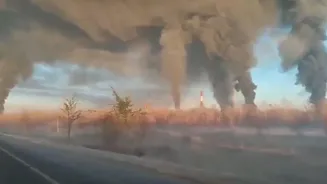
The peace discussions have also continued against the backdrop of fresh military attacks.
According to Reuters, Ukrainian Prime Minister Sergii Koretskyi said Russia had struck six large electricity substations across four central Ukrainian regions.
Ukrainian energy company Naftogaz also reported that Russian jet drones had hit one of its facilities in the eastern Dnipropetrovsk region, triggering a fire and damaging equipment.
Meanwhile, Russia’s TASS news agency reported that drone debris killed two people after hitting an apartment building in the Smolensk region, which borders Belarus.
Russia’s Defence Ministry also claimed that its forces had struck a cargo vessel in the Black Sea, southwest of the Ukrainian port city of Odesa, alleging that it was carrying weapons and military equipment for Ukraine’s armed forces.
US President Donald Trump has intensified pressure on Kyiv to reach a settlement, warning Ukraine that it could face “a very bad thing” if the war does not end.
Meanwhile, European officials have pushed for a role in the negotiations, seeking to ensure that they have a place at the table in discussions over the future of European security.
Russian Foreign Minister Sergei Lavrov has called for negotiations on a broader European security framework, while European Commission President Ursula von der Leyen has maintained that wider security discussions should follow a ceasefire.