









When PM Modi appealed to India’s workforce to work from home wherever possible, Bengaluru didn’t need much convincing. The city’s employees already know exactly what they’re losing to traffic — and the numbers
are staggering.
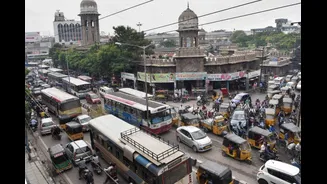
Bengaluru’s average one-way commute time has jumped 16% in just one year — from 54 minutes in 2024 to 63 minutes today, covering an average distance of 19 km. That’s over two hours on the road every single working day, just to get to a desk and back.
In a year, a working professional in Bengaluru spends 754 hours on the road — equivalent to 68 full working days lost to commuting. That is more than three months of productive time, simply evaporated in traffic.
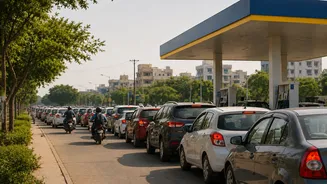
TomTom’s 2025 Traffic Index puts hard numbers to the misery. Bengaluru commuters lost 168 hours — over seven full days — to traffic during rush hours in 2025 alone, a jump of nearly 13 hours compared to 2024. During evening rush hour, a 10-km drive takes 45 minutes at an average speed of just 13.2 kmph. To put that in perspective, a brisk walk averages 5 kmph — meaning Bengaluru’s peak-hour traffic moves barely faster than jogging pace.
The situation worsened sharply when companies began reversing WFH policies. Bengaluru Traffic Police data showed entries into 26 major tech parks near Outer Ring Road rose 45% in June 2025 compared to the same month last year, with over 1,20,000 vehicles recorded in the area on a single Wednesday.
The economic cost is equally brutal. A 2023 study estimated Bengaluru loses ₹20,000 crore annually due to hours residents lose in traffic snarls. Separate research by transportation advisor MN Sreehari pegged annual losses at ₹19,725 crore due to delays, congestion, and signal stoppages.
For Bengaluru’s IT workforce — the very demographic Modi’s WFH appeal targets most directly — the ask isn’t a sacrifice. It’s a relief they’ve been waiting for their employers to grant.