


For much of the last decade, “more” was the dominant cultural currency. More steps, more layers, more products, more spectacle. Across fashion, beauty, skincare, and jewellery, excess was framed as aspiration,
a visible shorthand for effort, luxury, and relevance in an increasingly digital world. But what once felt exciting has begun to feel exhausting. As we move through 2026, it’s clear that the era shaped by the 2016 playbook is quietly, decisively ending.
The shift is not about minimalism as an aesthetic trend. It’s about maturity, both on the part of consumers and the industries that serve them.
In skincare, the “more is better” philosophy left a tangible mark. Ten-step routines, aggressive actives, daily exfoliation, and viral DIY fixes promised transformation but often delivered irritation instead. As Dr. Gagan Raina, Medical & Clinical Director, Arisia Skin Clinic, points out, skin was overstimulated in the name of optimisation. Consistency was replaced by constant intervention. Today, the recalibration is grounded in restraint. Fewer products, fewer actives, and better spacing between treatments are not signs of doing less, they’re signs of understanding skin as a living system rather than a problem to be fixed. Calm, stable skin has become the new benchmark of health, replacing the fleeting glow of over-treatment.
Makeup has undergone a similar reckoning. In 2016, the face was a canvas for transformation, full coverage, sharp contours, heavy powders, and precision designed for cameras and feeds. Jasmin Shah and Bhakti Bhanushali of Karibo Cosmetics describe how this approach, while visually powerful, eventually felt limiting. Makeup concealed skin instead of celebrating it. What’s emerging now is not a rejection of creativity, but a reframing of it. Texture, comfort, and movement matter again. Bold colour still exists, but it’s intentional rather than obligatory. Makeup is returning to the rhythm of daily life, flexible, forgiving, and human.
Jewellery, too, has stepped off the treadmill of constant newness. Founder Mehul Jain of Everbrite jewellery reflects on how 2016 prized loud, moment-driven designs, pieces meant to dominate attention briefly before being replaced. Today’s consumer is choosing differently. Fewer pieces, worn more often, with clearer emotional and ethical intent. In this landscape, excess no longer signals value. Thoughtfulness does. Longevity, once a quiet virtue, has become a central desire.
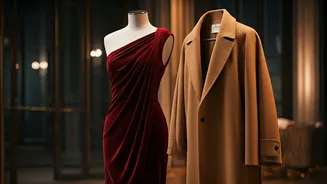
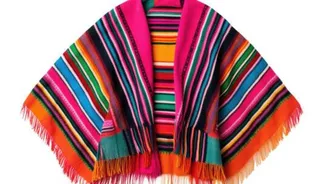
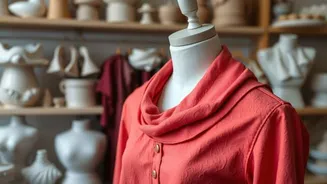
Fashion perhaps tells the clearest story of cultural correction. The mid-2010s rewarded maximalism: oversized logos, hyper-styling, and rapid trend cycles optimised for instant digital impact. Clothes were designed to perform, not endure. Alayna Zaid, Founder, Siorai, notes that consumers are now fatigued by spectacle without substance. What’s replacing it is not austerity, but discernment. Clothing is expected to integrate into real lives, to be versatile, emotionally resonant, and well-made. Luxury is no longer defined by visibility, but by intention.
Across industries, the common thread is not restraint for restraint’s sake, but trust, trust in process, in time, and in the consumer’s intelligence. The end of “more” doesn’t mean the end of ambition or creativity. It means ambition is being measured differently. Beauty doesn’t need to shout to be seen. Fashion doesn’t need to overwhelm to feel relevant. Jewellery doesn’t need to chase moments to matter.
The post-2016 era isn’t quieter because it lacks ideas. It’s quieter because it has learned which ones are worth keeping.