



Long before gut health became a trending topic on social media, Indian kitchens quietly practised many habits that supported a healthy digestive system. Fermented foods, diverse plant-based meals, and
seasonal cooking traditions naturally nourish the trillions of microbes living in the human gut.
Today, however, changing lifestyles, processed foods and convenience-driven diets have altered what appears on the modern Indian plate. While the traditional diet is often praised for its nutritional richness, experts say the real concern lies in how far we have moved away from its original diversity and balance.
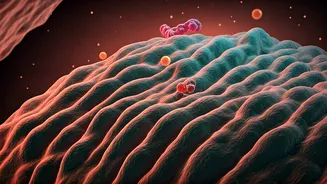
“As more Indian consumers become health-conscious, terms like gut health, microbiome and probiotics have entered everyday conversations. While that’s encouraging, gut health is far more than a wellness buzzword. The gut microbiome is a dynamic ecosystem of trillions of microorganisms that influence digestion, immunity, metabolism, mood and even energy levels,” says Pranshul Aggarwal, Founder of LivLively.
Similarly, Dr. Akshay Rawat, Consultant Gastroenterologist at Kailash Hospital, Dehradun, emphasises the crucial role of the microbiome in overall health. “The human digestive system is home to trillions of microorganisms that play a vital role not only in digestion, but also in strengthening immunity, supporting mental health, and maintaining metabolic balance,” he explains.
Traditional Indian Foods That Once Supported Gut Health
Many of the gut-friendly foods being discussed today were already part of everyday Indian cooking.
Aggarwal points out that practices like fermenting batter for dishes such as idlis or dosas, making fresh buttermilk, preparing pickles, and consuming seasonal foods were once common household habits.
Traditional Indian meals often featured a wide variety of plant-based ingredients, including lentils, whole grains, vegetables, spices and fermented foods. These foods contain dietary fibre and polyphenols – plant compounds that help beneficial gut bacteria grow and thrive.
What The Modern Indian Plate Is Missing
Experts say that the real challenge today is not that the Indian diet is unhealthy, but that its diversity has diminished.
Aggarwal explains that modern eating patterns frequently rely on refined carbohydrates, ultra-processed foods and limited plant variety. Over time, this can disrupt the microbiome and lead to issues such as bloating, irregular digestion, fatigue or weakened immunity.
Dr Rawat agrees that dietary diversity plays a key role in maintaining microbial balance. A balanced Indian diet that includes fruits, vegetables, legumes, whole grains, nuts and seeds can significantly support gut health.
“Prebiotic foods such as garlic, onions and fibre-rich produce nourish beneficial bacteria, while probiotic foods help replenish them,” he explains. Even small steps, like incorporating a wider variety of plant-based foods into weekly meals, can improve microbial diversity, which researchers increasingly link to better overall health.
Lifestyle Habits That Support The Gut
Beyond diet, everyday habits also influence gut health. Dr Rawat highlights the importance of mindful eating practices such as chewing food thoroughly, eating slowly and staying adequately hydrated. These simple habits improve digestion and nutrient absorption.
Reducing processed foods and sugary beverages, maintaining regular physical activity, getting sufficient sleep and avoiding smoking or excessive alcohol consumption can also help maintain microbial balance.
Aggarwal adds that while traditional diets provide many gut-friendly nutrients, busy lifestyles can sometimes make it difficult to consistently meet these needs through food alone. In such cases, modern wellness solutions may offer practical support alongside dietary improvements.
The Way Forward For A Healthier Gut
Supporting the gut microbiome does not require drastic dietary changes. Instead, it often means reconnecting with the principles that have long defined traditional Indian cooking: diversity, seasonal ingredients and minimally processed foods.
By reintroducing fibre-rich plant foods, fermented dishes and mindful eating habits into everyday meals, individuals can help restore microbial balance and support long-term health.