







The Cambridge Dictionary has added several new words and expressions in 2026, reflecting changing language trends, internet culture, social media and the growing influence of artificial intelligence (AI).
Some of the popular additions include “aura farming”, “looksmaxxing” and “air jail”.
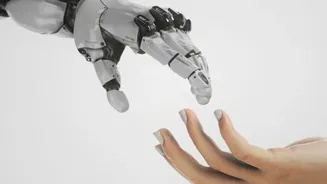
The dictionary has also named “human” its Word of the Year 2026 amid growing discussions about how artificial intelligence is changing people’s understanding of human identity, creativity and intelligence. The dictionary defines “human” as having the qualities, faults and feelings that people have, as opposed to gods, animals or machines.
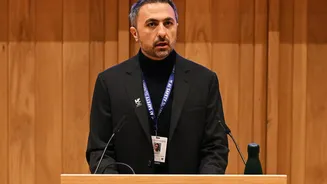
Cambridge Dictionary lexicographer Colin McIntosh said the growing use of AI has encouraged people to reconsider what distinguishes humans from machines. The renewed interest in human qualities and the role people should continue to play in an AI-driven world contributed to the selection of the word.
Here are some of the new words included in the Cambridge Dictionary this year and what they mean.
1. Air jail
“Air jail” is a noun that refers to a method of trying to train an animal, particularly a dog, by holding it off the ground for some time when it displays aggressive or unwanted behaviour.
The expression gained wider attention after a video of a dachshund being held in this position so that its claws could be trimmed made headlines.
2. Aura farming
“Aura farming” refers to doing things with the intention of creating an attractive, interesting or admirable personality, particularly on social media.
The phrase is often used when someone deliberately behaves or presents themselves in a way that makes them appear confident, impressive or popular.
3. Looksmaxxing
“Looksmaxxing” means trying to make oneself as physically attractive as possible. The term is particularly popular among young men on social media, where users discuss appearance, grooming and physical transformation.
Word of the Year
Apart from “human”, the Cambridge Dictionary also considered other words, including “agent”, “wholesome” and “analogue”, as contenders for its Word of the Year.
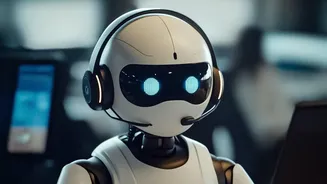
Agent: An artificial intelligence system that can carry out complex tasks and make decisions without direct human control.
Wholesome: Something that is good for a person’s physical, moral or emotional well-being.
Analogue: An adjective used to describe activities, experiences or objects that do not inv
The Cambridge Dictionary is also considering several words and expressions for possible inclusion in the future.
FOBO: An abbreviation for “fear of becoming obsolete”. It describes the anxiety that a person may lose their job because artificial intelligence can perform their work.
Weather whiplash: A sudden change from one extreme weather condition to another, such as a shift from very hot to very cold or from dry conditions to heavy rainfall.
Dusking: The practice of watching daylight gradually turn into darkness as a way of relaxing.