







Weight-loss medications have been around for decades, but earlier drugs primarily acted on the brain to suppress appetite or worked on the stomach to reduce hunger signals. According to Dr. G. Moinoddin,
Director, Bariatric & Metabolic Surgery, Manipal Hospital (South India Region), “The newer generation of weight-loss drugs works very differently from older appetite suppressants.”
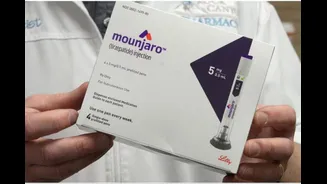
Medications such as Ozempic, Mounjaro, Wegovy, and their oral tablet versions act on gut motility by mimicking the naturally occurring hormone GLP-1. “These drugs slow down how quickly the stomach and intestines move food forward,” explains Dr Moinoddin. “In simple terms, food stays in the digestive tract much longer, creating a prolonged feeling of fullness.”
Because digestion is slowed, people feel satiated earlier and remain full for longer periods. “Even small portions feel sufficient,” Dr Moinoddin says, “which leads to reduced food intake and gradual weight loss.”
Side Effects and the Reality Behind the Hype
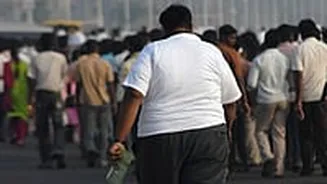
In India, there is growing enthusiasm around these medications due to the high prevalence of central obesity and excess visceral fat. “For many patients, a non-surgical option feels far more appealing than procedures like gastric balloons or bariatric surgery,” notes Dr Moinoddin. However, he cautions that the side effects must not be overlooked.
“Nausea and vomiting are among the most common side effects, and in some individuals, these symptoms persist for prolonged periods,” he explains. More serious concerns have also been reported. “Patients with a history of pancreatitis or liver disease should avoid these drugs entirely,” warns Dr Moinoddin.
There have also been reports of thyroid malignancies and increasing complaints of vision-related problems. “Several lawsuits have already been filed globally in relation to these side effects,” he adds. “Not everyone will experience them, but for a subset of users, the impact can be severe and long-lasting.”
Who These Drugs Are Really Meant For
Another major limitation is cost and sustainability. “These medications are expensive and difficult to maintain over the long term,” says Dr. Moinoddin. “Once the drug is discontinued, most patients regain 80 to 90 percent of the weight they initially lost.”
In terms of results, the weight loss achieved is modest. “With consistent use over six months, the average weight loss is about 6 to 10 percent,” he explains. These drugs are best suited for individuals who are mildly overweight, typically those with a BMI between 25 and 30, or about 10 to 20 kilograms above their ideal body weight.
“They are not appropriate for patients with morbid obesity,” emphasises Dr Moinoddin. “People who are 40, 50, or 60 kilograms overweight require a more definitive solution. For them, bariatric surgery remains the most effective option.”
Bariatric surgery, he explains, can result in 50 to 60 percent sustained weight loss, along with long-term metabolic benefits outcomes that current weight-loss drugs cannot match.
“These newer drugs can be helpful for a carefully selected group of patients, particularly those with diabetes and mild obesity,” says Dr Moinoddin. “But they are not a miracle solution.”
He concludes with a note of caution, “Weight-loss medications should be used under strict medical supervision, with realistic expectations. For significant and sustained weight loss, bariatric surgery still remains the gold standard.”