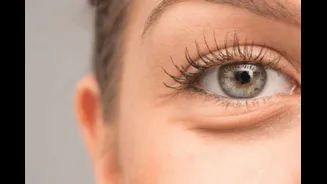








The under-eye area is often the first place where signs of tiredness, ageing, stress, or even genetics begin to show. However, not every “eye bag” is the same. For some people, it is temporary morning
puffiness. For others, it is a structural change caused by fat bulging, skin laxity, or hollowness beneath the lower eyelid.
This is why eye bags should not be treated casually with random creams, home remedies, or quick filler decisions. The right approach depends on identifying the underlying cause first. Dr Shilpi Bhadani, Plastic and Aesthetic Surgeon, Founder, SB Aesthetics, Gurugram helps us look at why under-eye swelling occurs, what increases the risk, which home remedies may actually help, when medical treatment is needed, and the common mistakes that can make the under-eye area appear worse.
Why Do Eye Bags Develop?
Eye bags are not always a sign of poor sleep. The lower eyelid is supported by delicate skin, muscles, fat pads, and retaining ligaments. As we age, the structures supporting the lower eyelid can weaken, allowing the natural fat beneath the eye to bulge forward.
This creates the “bags” many people notice in photographs or under certain lighting conditions.
In some cases, what appears to be an eye bag may actually be fluid retention, allergy-related swelling, sinus congestion, or under-eye hollowness casting a shadow. This distinction is important because each concern requires a different treatment approach.
Temporary puffiness may improve with lifestyle changes, but true fat bulging or loose skin rarely responds to creams alone.
What Are The Risk Factors For Under-Eye Swelling?
Several factors can contribute to under-eye swelling, including ageing, genetics, lack of sleep, excessive salt intake, alcohol consumption, smoking, allergies, sinus issues, and naturally thin lower-eyelid skin. Some individuals develop eye bags at a younger age simply because of inherited facial anatomy rather than lifestyle factors.
Medical causes should also be considered when swelling is sudden, one-sided, painful, or accompanied by redness, itching, swelling elsewhere in the body, or vision changes. In such cases, it should not be treated as a cosmetic concern without medical evaluation.
Home Remedies That May Help Reduce Under-Eye Puffiness
Home remedies are most effective when puffiness is caused by fluid retention rather than structural changes.
Applying a cold compress for a few minutes can help reduce temporary swelling. Sleeping with the head slightly elevated may minimise morning puffiness. Reducing excess salt intake, improving sleep quality, managing allergies, and avoiding smoking can also make the under-eye area appear less swollen.
Skincare can help support the skin barrier, but it cannot eliminate fat pads. Daily sunscreen, a gentle moisturiser, and carefully selected retinoids may improve skin quality over time. However, harsh active ingredients used too close to the eyes can cause irritation and potentially worsen puffiness.
Can Eye Bags Be Removed Completely?
The most effective treatment depends entirely on the underlying cause.
If under-eye hollowness is the primary concern, carefully placed tear-trough filler may help suitable candidates. If mild skin laxity or texture issues are present, laser treatments or skin-tightening procedures may be considered.
However, when there is significant fat bulging, loose skin, or persistent heaviness beneath the eyes, lower blepharoplasty may offer a more definitive solution. During this procedure, fat may be repositioned or reduced, and excess skin may be addressed depending on the patient’s anatomy.
The goal is not to change the appearance of the eyes but to create a more rested and refreshed look while preserving natural expression.
Three Common Mistakes To Avoid
1. Relying on random eye creams to remove structural eye bags.
While certain products can improve hydration and skin quality, they cannot remove bulging fat pads or excess skin.
2. Getting under-eye filler without a proper assessment.
In the wrong candidate, filler can worsen puffiness and make the area appear heavier.
3. Ignoring sudden or painful swelling.
Any swelling that is one-sided, painful, rapidly developing, or associated with vision changes should be medically evaluated rather than treated as a cosmetic issue.
Eye bags are extremely common, but treatment should never be one-size-fits-all. The most important question is not, “Which treatment removes eye bags?” but rather, “What is causing them in the first place?”
Once the underlying cause is identified, treatment can be tailored appropriately, whether that involves lifestyle modifications, skincare, minimally invasive procedures, or surgery.