





The Indian rupee has been falling for the past more than one year and is showing no signs of strength. Though the weaker rupee raises costs for imports, it also helps the country’s export-oriented sectors
like IT. As the domestic currency has already crossed the 91 mark, experts said the rupee is likely to face pressure in the near term and might even touch 92 this month.
“With the India-US trade deal not happening soon, the rupee has already crossed the 91 market and may even touch 92 this month. Buy-sell swaps, tax-related rupee shortages, oil speculation, exporter dollar hoarding, FPI outflows, $50-billion stake sales and debt sell-offs are driving the fall,” said Anil Kumar Bhansali, head of treasury and executive director of Finrex Treasury Advisors LLP.
Navneet Damani, head of commodity and currency research at Motilal Oswal Financial Services, also said the pressure on the rupee could persist in the near term. He said the currency may weaken further toward 91.50 or even 92 before stabilising, unless supportive policy or macro developments emerge.
Falling for the fourth straight session, the Indian rupee on Tuesday hit a record fresh low of 91.14 against the US dollar in the early trade amid FPI selloffs and uncertainties over the US-India trade deal. At the interbank exchange, the rupee opened at 90.87 and then recovered to 90.79 per dollar before breaching the 91 level and hitting the record low of 91.14.
The rupee had closed at 90.78 against the US dollar in the previous trade on Monday.
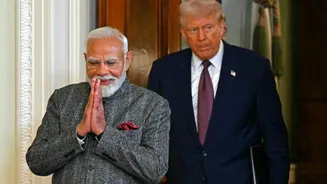
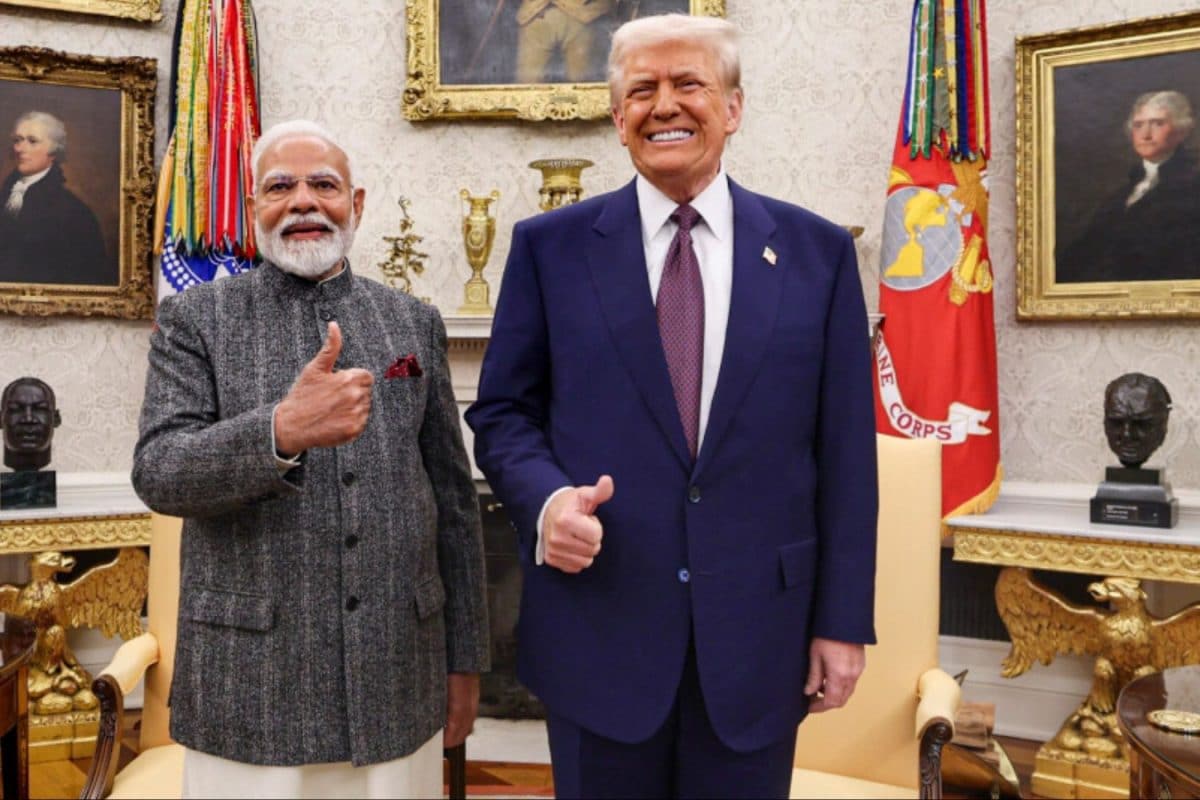
Meanwhile, Commerce Secretary Rajesh Agrawal has said India and the United States are “very close” to finalising the framework for their proposed bilateral trade agreement. He added that both nations are actively engaged in negotiations.
The countries are holding two parallel negotiations, one on a framework trade deal to address the high tariffs and another on a comprehensive bilateral trade agreement (BTA).
Rick Switzer, the new US Deputy Trade Representative, was in India last week for trade talks with the secretary. During Switzer’s visit, both sides took stock of bilateral trade relations and reviewed the progress of negotiations of the framework deal and the comprehensive BTA.
“We are very close on the framework deal, which we feel can be done in a short period of time. But I would not like to put a time period on that,” Agrawal said.
The rupee has fallen 6% against the US dollar so far in 2025, making it one of the worst-performing emerging market currencies, as steep US tariffs on Indian exports have hurt trade and foreign portfolio flows.
Overseas investors have net sold over $18 billion of local stocks this year, and are on track for the largest annual outflows ever. India’s benchmark equity indexes, BSE Sensex and Nifty 50 were down about 0.4% each in early trading.
While likely maturity of positions in the non-deliverable forwards market contributed to the pressure on the rupee, dollar sales by state-run banks, most likely on behalf of the Reserve Bank of India, helped cap the slide, traders said.
“The rupee’s weakness is being driven primarily by tariff-related concerns and foreign investor selling, not by deterioration in economic fundamentals. As long as these short-term imbalances persist, pressure may continue,” said Amit Pabari, managing director at FX advisory firm CR Forex.
“In the very near term, 90.00-90.20 remains a strong support zone (for the rupee), while 90.80-91.00 acts as a key resistance area,” he said.
Analysts say a reversal in the rupee’s fortunes is unlikely unless there is a breakthrough in US-India trade negotiations.
“Let’s see what happens in the next few months,” India’s trade secretary said on Monday, referring to the ongoing negotiations but added that India is engaged with the US to see if they can close the deal “sooner than later”.
A rebound in India’s exports last month and resilient economic growth have helped blunt the impact of steep US tariffs, easing immediate pressure on New Delhi to clinch a trade deal, analysts say.
India’s exports to the US grew 21% year-on-year in November, helping narrow the merchandise trade deficit to a five-month low of $24.53 billion.
(With Inputs from Reuters)