




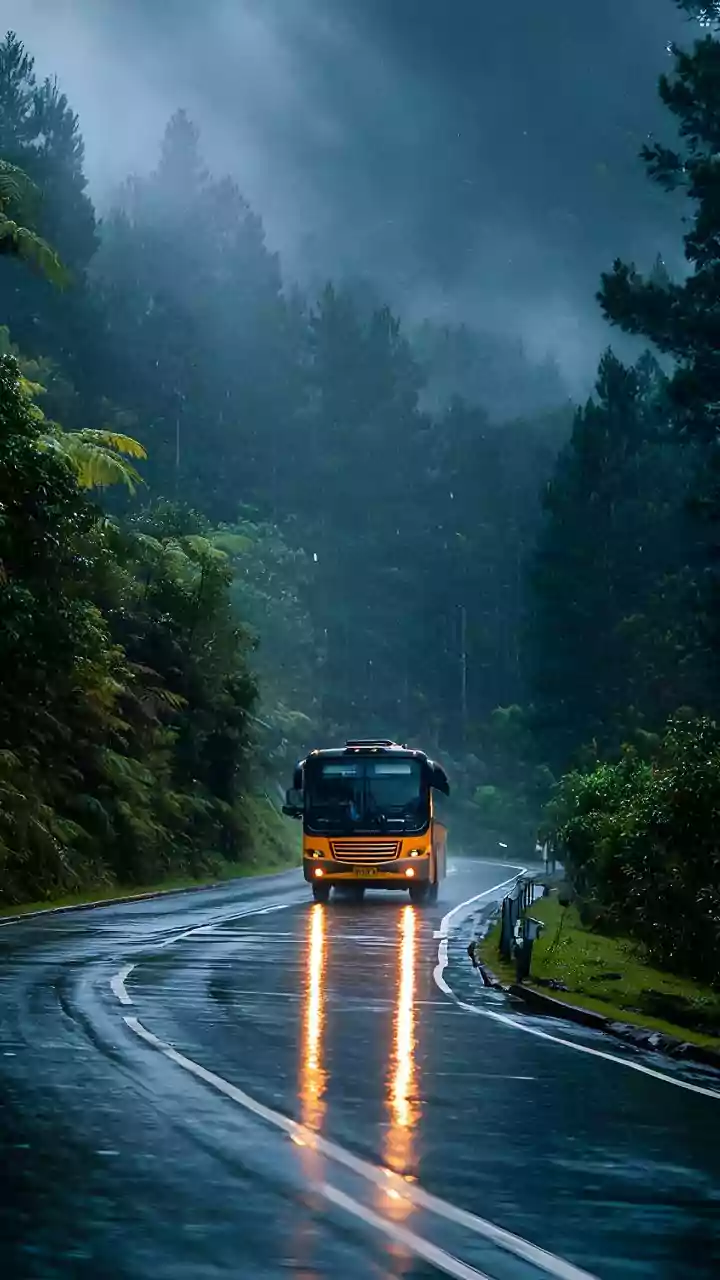



Monsoon may be India’s most magical travel season, but it’s also one of its most unpredictable. Verdant hills, cascading waterfalls and mist-covered valleys draw thousands of travellers every year, yet
relentless rainfall can quickly turn dream getaways into logistical nightmares.
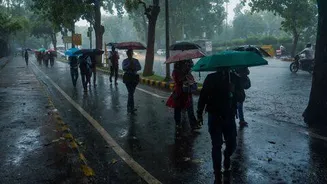
Over the past few days, several parts of the country have witnessed flash floods, landslides, road collapses and widespread flooding, disrupting highways, rail services and access to popular tourist destinations. With the India Meteorological Department (IMD) issuing rainfall alerts across multiple states, now is the time to prioritise safety over spontaneity.
If you have a holiday, road trip or pilgrimage planned, here are six destinations where it’s best to hit pause until conditions improve.
Lonavala & Khandala, Maharashtra
Monsoon is arguably the most beautiful time to visit Lonavala and Khandala, but this year, the rains have brought more than postcard-worthy views. Persistent downpours have triggered landslides across parts of the Western Ghats, affecting key routes including stretches of the Mumbai-Pune Expressway and the Karjat-Lonavala road.
With waterlogged roads, falling debris and red alerts issued for parts of the region, travellers should consider postponing weekend getaways until the weather stabilises.
Tirthan Valley & Chamba, Himachal Pradesh
Known for tranquil rivers, forest trails and scenic mountain landscapes, Tirthan Valley and parts of Chamba have been hit by heavy rainfall in recent days. Landslides and flash floods have disrupted important access roads, including the Larji-Sainj route towards Tirthan Valley and sections of the Chamba-Tissa road.
If trekking, camping or exploring Himachal’s quieter corners is on your itinerary, waiting a little longer could make for a much safer journey.
Gangotri, Uttarakhand
Every year, thousands of pilgrims travel to Gangotri as part of the Char Dham Yatra. However, continuous rainfall has made the pilgrimage route increasingly challenging, with landslides disrupting sections of the Gangotri Highway and swollen rivers adding to the risk.
Authorities are urging travellers to monitor official advisories closely and avoid non-essential travel until road conditions improve.
Doda & Kishtwar, Jammu & Kashmir
The rugged mountain districts of Doda and Kishtwar are among Jammu & Kashmir’s lesser-explored gems, but they are currently grappling with the impact of relentless monsoon rain. Flash floods and landslides have damaged roads connecting the two districts, while unstable slopes continue to pose a threat.
Unless travel is essential, it’s advisable to postpone plans until authorities restore safe connectivity.
Flood-Hit Areas Of Assam & Arunachal Pradesh
Several parts of Assam and neighbouring Arunachal Pradesh continue to battle severe monsoon conditions. In Assam, districts including Dhemaji have experienced widespread flooding and riverbank erosion, disrupting railway services and isolating several villages. Meanwhile, landslides and flash floods have affected remote mountain districts in Arunachal Pradesh, damaging roads and hampering transport.
Travellers planning to explore Northeast India should check the latest local advisories before finalising their itineraries.
Wayanad, Kerala
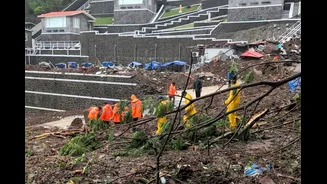
One of Kerala’s favourite hill escapes, Wayanad has once again found itself in the spotlight for the wrong reasons. Fresh landslides have been reported in the Meenakshi area near Chooralmala after days of intense rainfall, prompting rescue operations and renewed concerns over landslide-prone zones.
While much of Wayanad remains open to visitors, authorities continue to advise caution around vulnerable pockets. If you’re planning a monsoon escape, keeping a close eye on local updates is essential.
Travel Smart This Monsoon
The monsoon can transform India’s landscapes into some of the most spectacular you’ll ever see, but it also demands flexibility. Before heading to any hill station, pilgrimage route or mountain destination, check the latest IMD forecast, road conditions and state advisories. Delaying a trip by a few days may not only save you hours of travel disruption but could also make your journey significantly safer.