




The United States military launched a new round of strikes against targets in Iran after US President Donald Trump warned that American forces would continue attacking the country amid escalating tensions
between Washington and Tehran. The US Central Command (CENTCOM) said it began “additional self-defense strikes” against multiple targets inside Iran on the orders of Trump.
“The strikes are in response to Iran’s unwarranted and continued aggression,” CENTCOM said in a statement.
The latest military action comes a day after the United States carried out strikes against Iran following Trump’s claim that Tehran had shot down a US Army helicopter. Iran’s Islamic Revolutionary Guard Corps (IRGC) subsequently announced retaliatory attacks against American military bases in the region, further intensifying the confrontation.
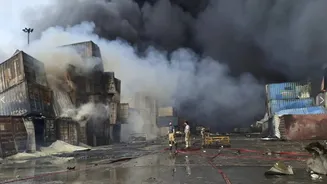
Reports from Iran indicated that explosions were heard on the strategic Gulf island of Qeshm, as well as in Bandar Abbas, Sirik and several other locations along the country’s southern coast.
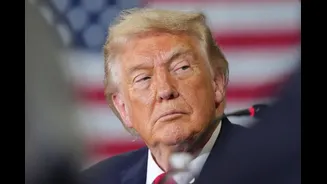
Hours before the strikes, Trump signalled further military action during remarks at the White House.
“We hit them hard yesterday and we’re going to hit them hard again today,” the US President said.
US Defence Secretary Pete Hegseth later reinforced the administration’s position, saying bombs would be “dropping on key facilities in Iran” as Washington sought to increase pressure on Tehran.
Iranian President Masoud Pezeshkian responded defiantly to the threats, insisting that Iran would not be intimidated by military action.
“Iran will stand firm against any pressure or threat,” Pezeshkian said.
The renewed hostilities mark a significant deterioration in relations between the two countries despite an April ceasefire agreement that was initially intended to halt fighting for two weeks. While the truce prevented a return to full-scale conflict, both sides have continued to exchange intermittent attacks in the months since.
Recent diplomatic efforts aimed at reviving negotiations have struggled to gain momentum, with both governments accusing each other of undermining the process.
On Wednesday, Trump argued that Iranian leaders had delayed negotiations for too long.
“They have taken too long to negotiate a deal,” he wrote on Truth Social.
Iran’s Foreign Ministry countered that Washington’s military actions were damaging efforts to reach a diplomatic solution. In a statement, the ministry accused the United States of “damaging the diplomatic process through the contradictory message it sends.”
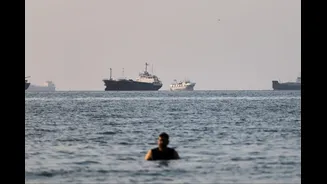
Continued military exchanges could jeopardise commercial shipping routes and energy supplies passing through the Strait of Hormuz, one of the world’s most important maritime corridors. Despite the escalating violence, diplomatic channels remain open, although prospects for a breakthrough appear increasingly uncertain as both sides harden their positions and military operations continue.