



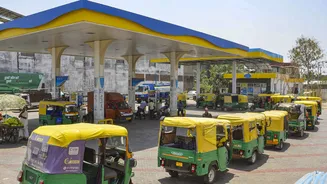
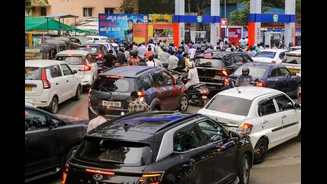
The latest CNG price hike in Delhi-NCR and Mumbai could soon hit commuters directly in their wallets, with autorickshaw and cab fares likely to go up in the coming days. In Delhi-NCR, CNG prices have been
increased by Rs 2 per kg, while in Mumbai Metropolitan Region, the rate has been hiked to Rs 84 per kg after a similar Rs 2 increase.
Read More: CNG Price in Delhi Today Hiked by Rs 2 Per Kg, Know Latest CNG Rates in Delhi, Noida
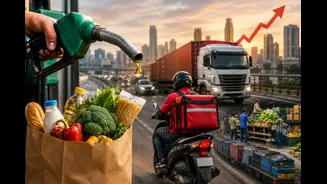
The rise comes at a time when fuel prices across the board are under pressure due to the ongoing energy crisis linked to tensions in West Asia and disruptions in global supply chains.
Petrol and diesel price, too, have been hiked by Rs 3 per litre.
Why CNG Prices Affect Public Transport
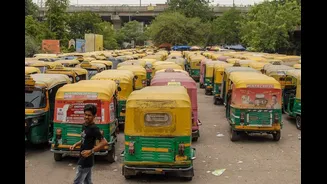
Autorickshaws and a large number of city taxis shifted to CNG over the years because it was significantly cheaper than petrol and diesel. Lower fuel costs helped drivers survive despite rising maintenance expenses and unstable incomes. But that gap is narrowing quickly.
Every Rs 1-2 increase in CNG prices substantially raises the running cost of autos and taxis that travel long distances daily. Drivers say the burden becomes difficult to absorb because fuel is their biggest operational expense.
In Mumbai alone, lakhs of autorickshaws and taxis run on CNG. Transport unions estimate that the latest hike could increase operating costs by more than Rs 1 per kilometre for many drivers.
Auto Unions Have Already Started Asking For Fare Revision
The fare hike demand has already begun.
In Mumbai, auto unions have demanded a revision in minimum fares after the latest CNG price increase. Union leaders argue that repeated hikes in gas prices, combined with inflation and maintenance costs, are making it impossible for drivers to sustain themselves without passing some of the burden onto passengers.
A similar demand could emerge in Delhi-NCR as well if CNG prices continue rising or remain elevated for a prolonged period.
Historically, transport authorities have often revised auto and taxi fares after sustained increases in fuel prices.
App-Based Cab Users May Also Feel The Pinch
The impact is unlikely to remain limited to traditional autorickshaws and black-yellow taxis.
Many vehicles attached to ride-hailing platforms also run on CNG. Drivers working with app-based cab services already complain about shrinking margins because of commissions, EMIs and rising vehicle costs.
Higher fuel prices may push drivers to depend more heavily on surge pricing or demand higher incentives from platforms. In practical terms, that could mean passengers paying more during peak office hours, bad weather or high-demand periods.
Even without an official fare revision, commuters may start noticing costlier rides more frequently.
Why Was CNG Price Hiked?
The current increase is closely tied to the global energy situation.
India imports a large portion of its natural gas requirements, making domestic CNG prices vulnerable to international market volatility. The ongoing tensions in West Asia have disrupted energy supply routes and pushed up crude oil and LNG prices globally. At the same time, the weakening rupee has made imports even more expensive for Indian gas distribution companies.
As procurement costs rise, companies such as Indraprastha Gas Limited (IGL) and Mahanagar Gas Limited (MGL) are passing part of the burden onto consumers through higher CNG prices.
Commuters Should Prepare For More Expensive Travel
For millions of daily commuters, autos and cabs are essential transport options. A fare hike, even if small initially, can significantly increase monthly travel expenses for office-goers, students and families.
The concern is also that this may not be the last fuel hike.
With global energy markets remaining volatile and oil companies warning about mounting losses, analysts believe more price revisions may become unavoidable if the geopolitical situation worsens further.
If that happens, the ripple effect will likely be felt across public transport systems — beginning with autorickshaws and cabs.