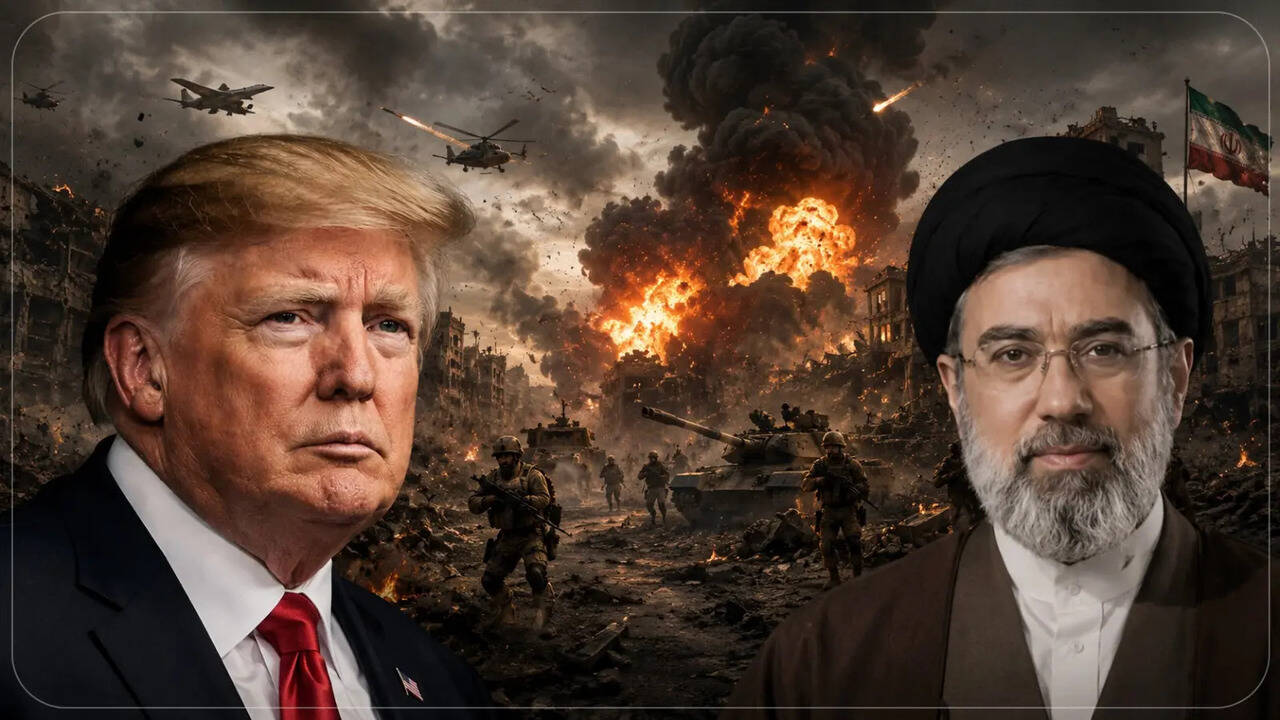

The uncertainty surrounding a possible US-Iran peace agreement continues, with a senior American official saying confidence in reaching a deal has risen from 75 per cent to between 80 and 85 per cent.
Speaking to The New York Times, the official said a framework agreement could be signed within “the next few days”. However, he stressed that negotiations were far from complete and that several major issues remained unresolved.
According to the official, neither a signing date nor a venue has been finalised. He also noted that decision-making within Iran remained “very complicated”.
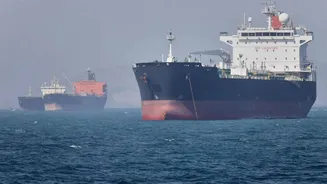
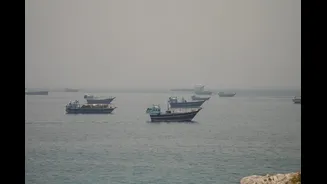
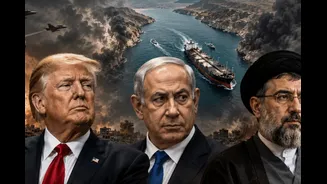
The proposed agreement comes amid ongoing discussions over Iran’s nuclear programme, frozen assets and the future of the Strait of Hormuz.
What the US say the deal will achieve?
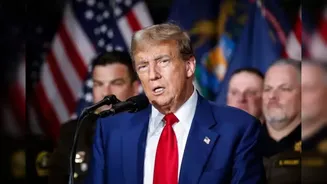
The White House official described the proposed agreement as a way of meeting the main objectives set by President Donald Trump. “What the deal does is actually quite simple. It accomplishes the core objectives that the President of the United States set out for this mission,” the official said.
According to him, the agreement would reopen the Strait of Hormuz and lift the blockade currently affecting maritime traffic in the region.
The deal would also lead to the dismantling of Iran’s nuclear programme and result in the United States obtaining Iran’s enriched nuclear material. “We provided the agreement that this material would be destroyed on site and then taken out of the country,” the official added.
No upfront financial benefits for Tehran
The US official also rejected reports suggesting Iran would receive billions of dollars immediately after signing a memorandum of understanding.
He dismissed claims that Tehran could receive amounts ranging from $1 billion to $12 billion upon signing the agreement. “I’ve seen people say that they get $12 billion or $1 billion or $6 billion upon the signing of the MoU. That’s all not true,” the official said.
Instead, he explained that Iran would receive economic benefits only after fulfilling specific commitments under the agreement.
According to the official, rewards would be linked to actions such as handing over enriched nuclear material, dismantling nuclear facilities and committing to regional peace and stability.
Iran says negotiations will continue
Despite Washington’s optimism, Iranian officials have offered a more cautious assessment of the negotiations.
Reports citing the Iranian side suggest that the proposed agreement would initially create only a 60-day ceasefire. That period would then be followed by a second round of negotiations focusing on Iran’s nuclear programme and frozen assets. The exact details of the agreement remain unclear, and Supreme Leader Mojtaba Khamenei has not yet given a direct endorsement.
Iranian Foreign Minister Abbas Araghchi said the agreement “has never been closer”, but reiterated that talks would take place in two separate stages. He also highlighted what remains a major obstacle in negotiations: Iran’s deep distrust of the Trump administration.
Messages from Tehran
Iran’s chief negotiator Mohammed Ghalibaf also struck a careful tone. In a post on X, he wrote: “Commitments made must be commitments kept. No ifs, no buts, no excuses. For the close deal ahead, there is no other way. You reap what you sow.”
The US official, however, dismissed Iran’s public explanation of the agreement, arguing that such statements were aimed primarily at a domestic audience inside Iran.
Israel, Pakistan and Hormuz factor into talks
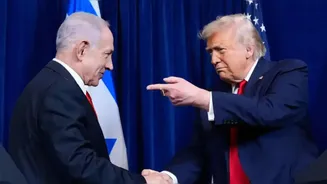
Israel, which joined the United States in launching military operations on February 28, has been excluded from the negotiations and continues to refuse withdrawal from Lebanon. However, the US official told The New York Times that the proposed agreement would extend beyond Iran and include arrangements involving Israel, Lebanon and Gulf countries.
Pakistan, which previously hosted US-Iran talks in Islamabad without success, said it was now working with both sides to finalise the next steps toward a “final, agreed-upon text”.
The diplomatic efforts are unfolding as tensions remain high in the Strait of Hormuz. The US military said it recently intercepted multiple one-way attack drones that were launched against commercial vessels passing through the strategic waterway.
On Friday, Trump warned Iran against targeting ships in the strait, describing such actions on Truth Social as “TOTALLY UNACCEPTABLE”.
While negotiators say a breakthrough may be near, major questions surrounding Iran’s nuclear programme, sanctions relief and regional security remain unresolved.