





As temperatures drop, gajar ka halwa inevitably makes its way back to Indian kitchens and conversations. Rich, warming and nostalgic, it is often labelled either as a winter superfood or dismissed as an indulgent
dessert. The truth, according to doctors, lies somewhere in between. Gajar ka halwa can support winter wellness – but only when prepared thoughtfully and eaten in moderation. The benefits depend not just on ingredients, but also on portion size, timing and individual metabolic health.
What Doctors Say About Gajar Ka Halwa
From a metabolic perspective, carrots bring genuine nutritional value to the table. Dr Amit Saraf, Director, Internal Medicine at Jupiter Hospital, Thane, explains, “Carrots bring natural beta-carotene, antioxidants and fibre, which support immunity and skin health during colder months.” He adds that when halwa is prepared with controlled sugar and healthier fats, it provides warmth and sustained energy rather than a sharp glucose spike.
Echoing this, Dr Manish Dodmani, Consultant Gastroenterologist at KIMS Hospitals, Thane, highlights its digestive compatibility. “Carrots are very soothing for the stomach. They contain dietary fibre that improves bowel movement and reduces inflammation,” he says, noting that winter digestion often becomes sluggish and warm foods help keep the gut active.
Why Preparation Matters More Than You Think
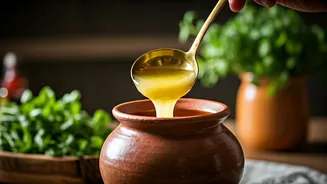
While carrots form the nutritional base, the way gajar ka halwa is cooked can significantly alter its health impact. Traditional recipes often rely heavily on ghee, khoya and sugar, increasing calorie density. Dr Saraf cautions, “The richness of halwa can easily push calories higher than expected. Portion control is key.”
Dr Dodmani agrees, adding that excessive fat and sugar can trigger acidity or bloating in people with sensitive digestion. “The dish itself is not the problem; the timing and quantity play a larger role,” he explains. Lighter versions made with less sugar or partially replaced with jaggery may be easier on the gut.
Does Gajar Ka Halwa Affect Blood Sugar?
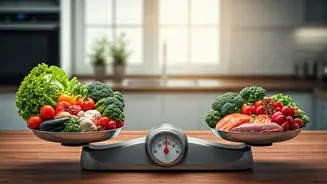
For individuals with insulin resistance or blood sugar concerns, halwa requires strategic planning. Dr Saraf advises, “Those living with insulin resistance need to pair it with a protein-rich meal so the glucose response stays stable.” This approach slows sugar absorption and reduces metabolic stress, making the dessert less disruptive.
The key takeaway is that gajar ka halwa works best as part of a balanced meal rather than a standalone sweet eaten on an empty stomach.
Why It Works Better In Winter Than Summer
Seasonality plays a crucial role in how the body responds to food. In winter, metabolism naturally shifts towards conserving warmth and energy. According to Dr Dodmani, “The warmth created by halwa works as an excellent remedy as it keeps your gut active.” This makes it better suited for colder months, when heavier foods are digested more efficiently compared to summer.
How to Make Gajar Ka Halwa Healthier
Doctors suggest small but impactful adjustments:
- Use moderate ghee instead of excess fat
- Reduce sugar or replace part of it with jaggery
- Avoid oversized portions
- Eat it earlier in the day or after a balanced meal
- Focus on slow-cooked carrots to retain fibre
These changes preserve flavour while reducing digestive and metabolic strain.
Gajar ka halwa is neither a health food nor a dietary villain. When prepared with restraint and eaten mindfully, it offers warmth, comfort and seasonal nourishment that align well with winter needs. Its benefits emerge not from indulgence, but from balance – making it a dessert best enjoyed occasionally, consciously and without guilt.