



Iran won’t reopen the Strait of Hormuz in exchange for a “temporary ceasefire”, a senior Iranian official told Reuters news agency, adding that Tehran views Washington as lacking the readiness for a permanent
ceasefire. The official confirmed Iran had received Pakistan’s proposal for an immediate ceasefire and was reviewing it. He said that Tehran does not accept being pressured to follow deadlines.
Iran’s stance on negotiations
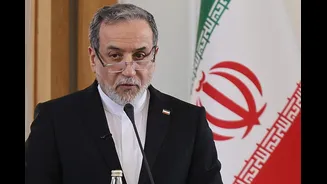
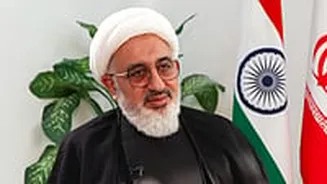
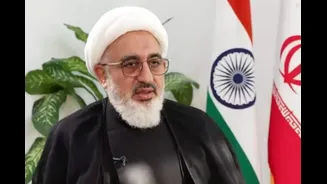
Dr Mohammad Fathali, Ambassador of the Islamic Republic of Iran to India, said, “Decisions regarding entering any form of negotiations are made within the framework of overarching policies and with the input of the highest decision-making bodies.”
“Whenever it is determined that the interests of the Iranian people can be secured through diplomacy, the necessary steps will be taken. It should also be emphasised that we have had a very negative experience with the flawed cycle of war, ceasefire, negotiations, and then renewed war. Our officials are prudently working to ensure that this experience is not repeated,” he said.
US-Iran war: The current standoff and negotiations
The refusal comes amid a high-stakes diplomatic pushto resolve the month-long conflict between the US, Israel, and Iran:
- Iran is currently reviewing a 45-day ceasefire proposal mediated by Pakistan (referred to as the “Islamabad Accord”). The plan envisions an immediate halt to hostilities and the reopening of the Strait, followed by 15–20 days of talks to finalise a permanent settlement.
- US President Donald Trump has issued an ultimatum, extending a deadline to Tuesday, 8:00 P.M. Eastern Time. He has threatened “hell”—specifically targeting Iran’s power plants and bridges—if the shipping route is not fully reopened by then.
- Iranian officials have suggested that the Strait may only reopen under a “new legal regime” that includes using transit toll revenues to compensate for war damages, according to BBC and other reports.
- Despite intense overnight diplomatic efforts involving Pakistani Army Chief Field Marshal Asim Munir and U.S. Vice President JD Vance, regional officials describe the chances of a deal within the 48-hour deadline as “slim”, according to reports.
The Strait of Hormuz
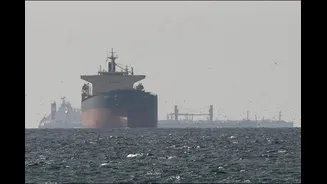
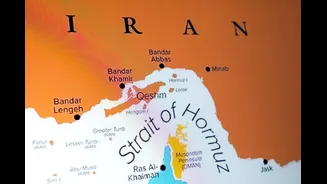
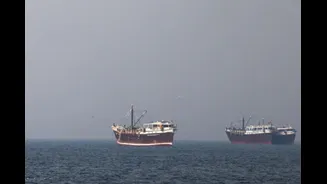
The Strait of Hormuz, which handles approximately 20% of the world’s oil and gas, remains effectively shut down.
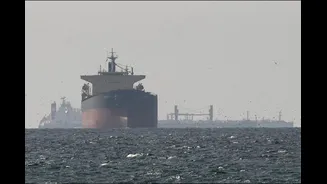
Oil prices peaked at $126 per barrel following the closure, marking the largest energy supply disruption in history. While a few ships from “friendly nations” like China, Russia, and India have been permitted to pass with Iranian approval, most commercial traffic has dropped to zero due to extreme insurance risks and Iranian naval threats.
The US and Israel have conducted strikes against Iranian targets, including nuclear facilities and IRGC leadership, in an effort to break the blockade.
With agency inputs