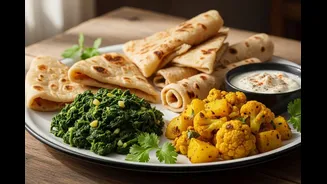






Across Indian kitchens, roti–sabzi has long symbolised simplicity, balance, and nourishment. It is the meal many grow up believing is inherently ‘healthy’ as it is light on the stomach, easy to digest,
and culturally familiar. But as lifestyle diseases surge and sedentary routines become the norm, nutrition science is beginning to question whether this traditional combination truly meets the body’s needs today. What once worked for physically active generations may no longer support modern metabolic demands.
What Looks Balanced Isn’t Always Balanced
“A typical roti–sabzi plate may look modest, but nutritionally it is skewed. Most people consume two to three rotis with a small portion of vegetables. This creates a carbohydrate-heavy meal with very little protein,” explains Dr. Sukrit Singh Sethi, Director & Senior Consultant – Gastroenterology, Hepatology and Liver Transplantation, Narayana Hospital, Gurugram.
According to Dr. Sethi, such meals lead to rapid glucose spikes and high insulin release. “Over time, this pattern contributes to insulin resistance, fatty liver, abdominal obesity, type 2 diabetes, and even hormonal disorders like PCOS – sometimes in people who don’t appear overweight at all,” he adds.
The Silent Protein Deficiency Problem
One of the most overlooked issues in Indian diets is chronic protein deficiency. “The average Indian consumes only about 40–50 grams of protein daily, far below the recommended 70–100 grams,” says Dr. Sethi.
He adds, “Protein is essential for metabolic health, muscle maintenance, immunity, and hormone regulation. Its absence shows up as fatigue, hair loss, muscle wasting, poor immunity, and difficulty managing weight.”
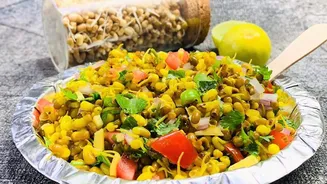
This gap is further reinforced when roti–sabzi is eaten repeatedly without protein-rich accompaniments like dal, curd, paneer, eggs, or meat.
Why Blood Sugar Spikes Matter
Dietitian and Certified Diabetes Educator Dr. Archana Batra echoes this concern, pointing to blood sugar instability as a key issue. “Roti provides carbohydrates and sabzi adds fibre and micronutrients, but without adequate protein and healthy fats, the meal causes rapid blood sugar spikes followed by crashes,” she explains.
She adds that refined or finely milled wheat rotis worsen the effect. “This cycle leaves people hungry again within hours, increasing cravings and reliance on ultra-processed snacks later in the day.”
Not All Sabzis Are Created Equal
Another common misconception is that all sabzis are nutritionally equal. “Many everyday sabzis rely heavily on potatoes, onions, and excess oil. Overcooking vegetables or limiting variety reduces nutrient density, and some sabzis end up being carb-heavy themselves,” says Dr Batra.
This further tips the plate away from balance, especially when vegetables are not paired with legumes, dairy, or plant-based proteins.
The Protein-First Plate Approach
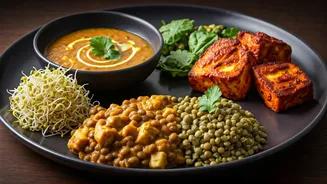
Nutrition experts are now advocating a shift in how Indian meals are structured. “Think protein first. Start the meal with dal, curd, paneer, eggs, chicken, or fish. Add fibre-rich vegetables next. Roti or rice should come last – as a supporting element, not the hero,” advises Dr. Sethi.
Dr. Batra agrees, suggesting small but effective upgrades: “Use whole grains or millets, include healthy fats like ghee in moderation, nuts or seeds, and rotate vegetables for diversity. The goal isn’t to eliminate roti, but to complete the plate.”
Roti–sabzi is not unhealthy, but eaten alone, it is incomplete. As India grapples with rising diabetes, obesity, and metabolic disorders, the answer may lie not in rejecting tradition, but in refining it. A truly healthy Indian meal respects cultural roots while aligning with modern nutritional science. Sometimes, meaningful change begins with something as simple as rethinking what comes first on the plate.