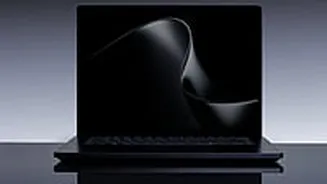





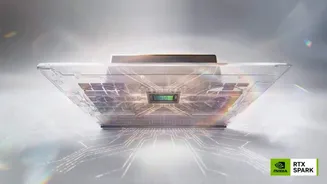

Advanced chip maker Nvidia has announced its new superchip, Nvidia RTX Spark, that is set to reinvent Windows PCs for the era of personal AI agents.
The new chip is designed for the AI age, when AI companies
are seeing personal agents for common use, which will be delegated day-to-day tasks, as next technological breakthrough.
What Makes Nvidia RTX Special?
Nvidia RTX is the world’s first Windows PCs purpose-built for personal agents, featuring 1 petaflop of AI performance, full-stack Nvidia AI and graphics technology.
It marks a shift to transform the traditional personal computing that rely on users opening apps and manually performing tasks to in-house agents capable of acting as personal assistance that can understand requests, automate workflows and execute complex tasks locally.
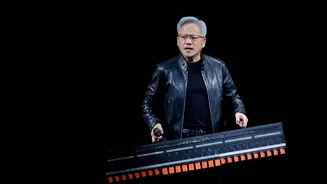
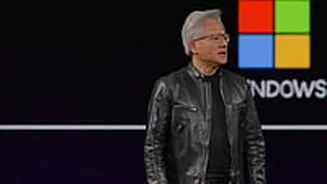
“The PC is being reinvented,” said Jensen Huang, founder and CEO of NVIDIA. “For forty years, you launched apps. Click. Type. With RTX Spark and Microsoft Windows, you ask — and the PC does the work. RTX Spark brings everything NVIDIA has built — CUDA, RTX, our AI platform — into a single superchip. Local agents. Frontier models. Creative workflows. RTX games. All on a laptop. This is the new PC. The personal AI computer.”
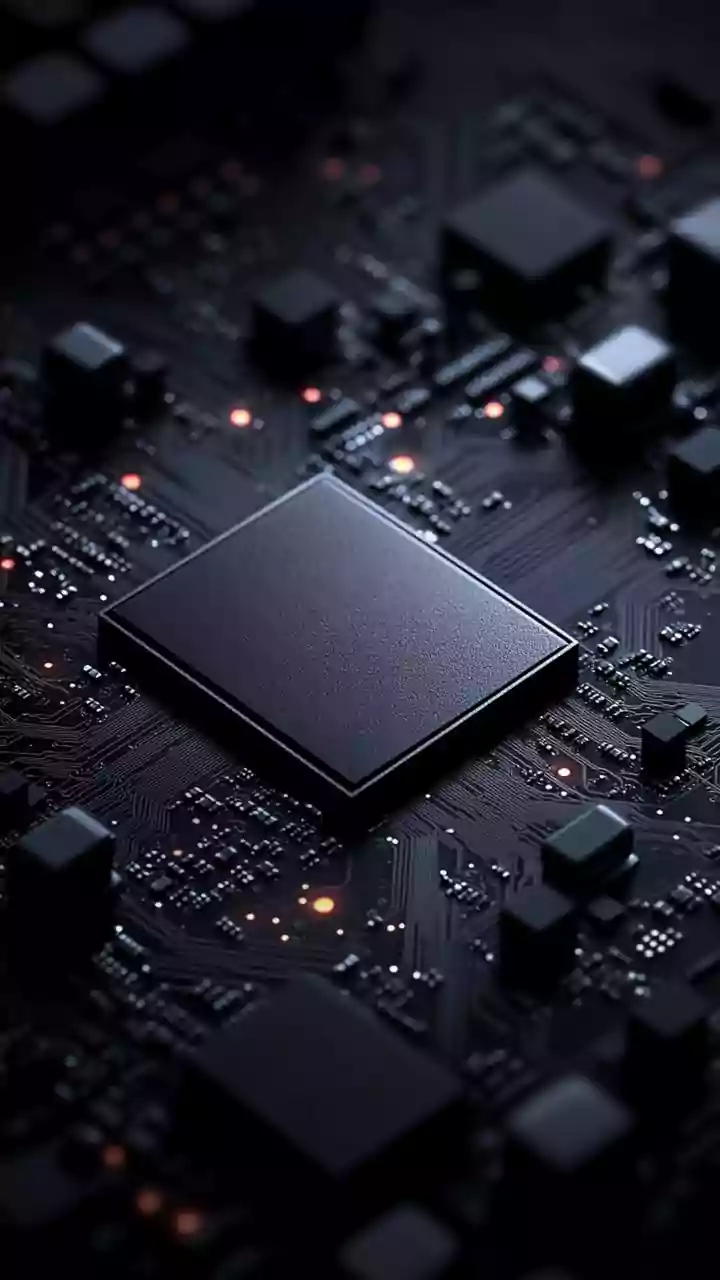
The RTX Spark superchip features an NVIDIA Blackwell RTX GPU with 6,144 CUDA cores and fifth-generation Tensor Cores with FP4 precision, connected via the NVIDIA NVLink-C2C chip-to-chip interconnect to a high-performance, 20-core NVIDIA Grace CPU.
How Will This New Chip Work?
The RTX aims to promote the broad adoption of personal AI agents, which has been limited by the inability to run agents securely and privately on users’ primary PCs.
Nvidia and Microsoft have joined hands to solve this issue and promote the broad adoption. The partnership brings new Windows security primitives and the Nvidia OpenShell runtime, ensuring agents run safely and under full user control.
The new Windows primitives deliver identity, containment, policy and end-to-end security capabilities to build and run agents natively.
NVIDIA OpenShell provides additional policy capabilities for the user to define what agents can and cannot do, the ability to intelligently route queries to local models based on the user’s privacy policies, and the ability to disguise personal information in queries sent to cloud models.
In fact, this robust security and privacy layer is being adopted by leading agent developers such as Hermes Agent and OpenClaw in their new Windows apps.
These new apps will make it easy and secure for users to access powerful on-device agents that can execute tasks in Windows applications, reason through cross-app workflows, generate images and video, code plug-ins and apps, and semantically search local files.