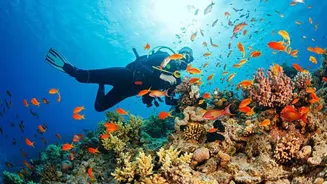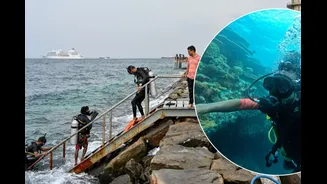







A luxury scuba diving expedition in the Maldives has ended in tragedy after five Italian tourists died while exploring underwater caves nearly 160 feet below sea level. The incident, which took place near Vaavu
Atoll, has once again drawn attention to one of the lesser-known but potentially fatal dangers of deep-sea diving: oxygen toxicity.
Amoung the five experienced Italian tourists were a renowned marine biologist and her young daughter — lost their lives during a deep cave dive in Vaavu Atoll. According to reports, the divers were part of a group exploring caves around Alimatha Island when they failed to resurface.
On 14 May 2026, the group descended to around 50 metres (approximately 160 feet) while exploring underwater caves near Alimathaa island. They never resurfaced. One body was recovered inside a cave, with the others believed to be in the same system extending to about 60 metres.
The victims were Monica Montefalcone, a 51-year-old associate professor of ecology and marine biologist at the University of Genoa, her 20-year-old daughter Giorgia Sommacal, research fellow Muriel Oddenino, marine biology graduate Federico Gualtieri, and boat operations manager and diving instructor Gianluca Benedetti.
What Is Oxygen Toxicity?
Oxygen, essential for life, can become poisonous under certain conditions. At sea level, we breathe air containing roughly 21% oxygen. But underwater, pressure changes everything. As divers descend, the pressure increases, concentrating the oxygen they breathe and potentially overwhelming the body’s ability to handle it.
Medical experts explain that excessive oxygen exposure under pressure can trigger the production of harmful free radicals that damage tissues and organs. For divers, the most dangerous form is central nervous system oxygen toxicity, which can strike suddenly underwater.
There are two main forms. Pulmonary oxygen toxicity affects the lungs after prolonged exposure to high oxygen levels, causing inflammation, chest pain, coughing, and breathing difficulties. More relevant to deep diving is central nervous system (CNS) oxygen toxicity, which can strike suddenly. Symptoms include tunnel vision, ringing in the ears, dizziness, nausea, muscle twitching, confusion, and — most dangerously — seizures. Underwater, a seizure often leads to drowning.
Symptoms of Oxygen Toxicity:
- Dizziness
- Confusion
- Vision disturbances
- Muscle twitching
- Nausea
- Sudden seizures
A seizure underwater can quickly become fatal because divers may lose their breathing apparatus or become disoriented and drown within minutes.
How Can Oxygen Toxicity Happen During Scuba Diving?
Most recreational divers use compressed air similar to surface air. However, at greater depths, even standard air becomes more potent. Many experienced divers switch to enriched air nitrox (higher oxygen content) to extend bottom time and reduce nitrogen absorption. While beneficial at moderate depths, these mixes can turn toxic at greater depths if not precisely calculated.
In cave diving, additional risks compound the danger: limited visibility, potential silt-outs, stronger currents, and the psychological stress of confined spaces. Panic can accelerate breathing, increasing oxygen intake. Experts have pointed to a possible combination of oxygen toxicity and sheer panic as contributing factors in this tragedy.
Reports suggest the group descended to around 50 metres, a depth where oxygen exposure risks increase significantly if the gas mixture is not carefully controlled. Experts have pointed out that technical divers usually require specialised gas blends such as trimix, which contains helium, oxygen and nitrogen, to reduce the risk of both oxygen toxicity and nitrogen narcosis at such depths.
Investigators are also reportedly examining whether human error, panic or issues linked to the breathing gas mixture may have played a role.
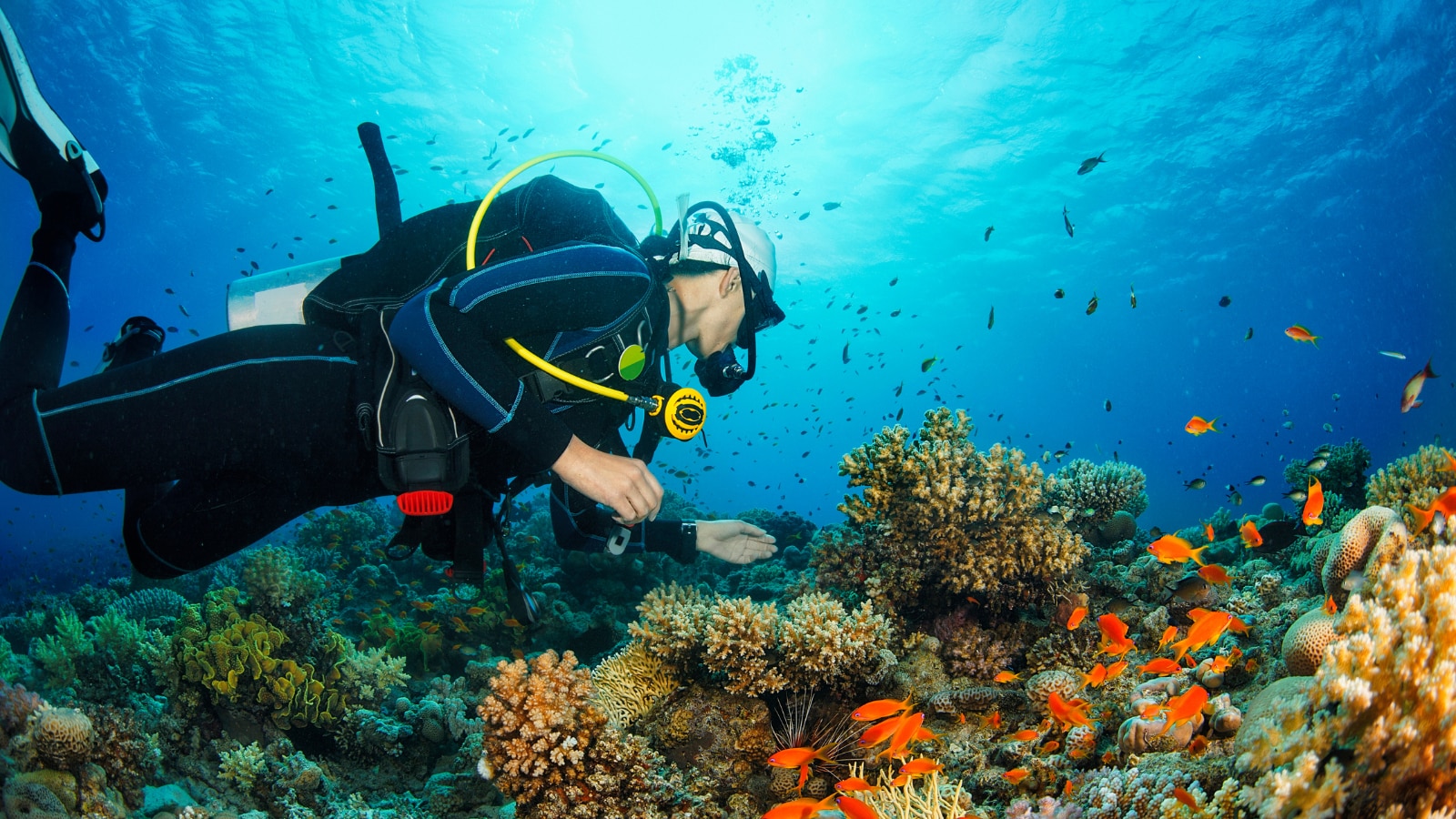
Other Factors That May Have Contributed To Tourist Deaths In Maldives
Weather conditions may also have complicated the dive. Some reports mentioned strong winds and turbulent sea conditions around the time of the expedition. Poor visibility inside underwater caves can create confusion even for experienced divers, especially if sediment is disturbed.
Diving medicine experts note that fatigue, stress, cold temperatures and elevated carbon dioxide levels can worsen the likelihood of oxygen toxicity underwater.
Could This Have Been Prevented?
Dive professionals emphasise rigorous planning. Gas mixes must match planned depths, with strict limits on exposure time. Divers require specialised training for technical and cave diving, along with redundant equipment and meticulous monitoring. In this case, the group was on a liveaboard, the Duke of York, and included highly qualified individuals with strong marine expertise. Yet even experienced divers can encounter unforeseen issues with equipment, currents, or gas management.
The incident has sparked renewed calls for stricter oversight of deep and cave dives in popular tourist destinations. While the Maldives offers world-class diving, remote atolls and variable weather demand exceptional preparation.