






Israel has stopped additional American military refuelling aircraft from landing at Ben Gurion Airport, even as the United States seeks to return the aircraft. This comes amid renewed conflict with Iran.
According to a report by Kan News, the Israel Airports Authority issued an emergency directive barring additional US refuelling aircraft from landing. The decision is believed to have come from Regev’s office.
The reported move has triggered a disagreement between Israel’s Transport Ministry and Defence Ministry, with both sides blaming each other over the handling of the aircraft as the conflict with Iran intensifies again.
Civilian flights at centre of dispute
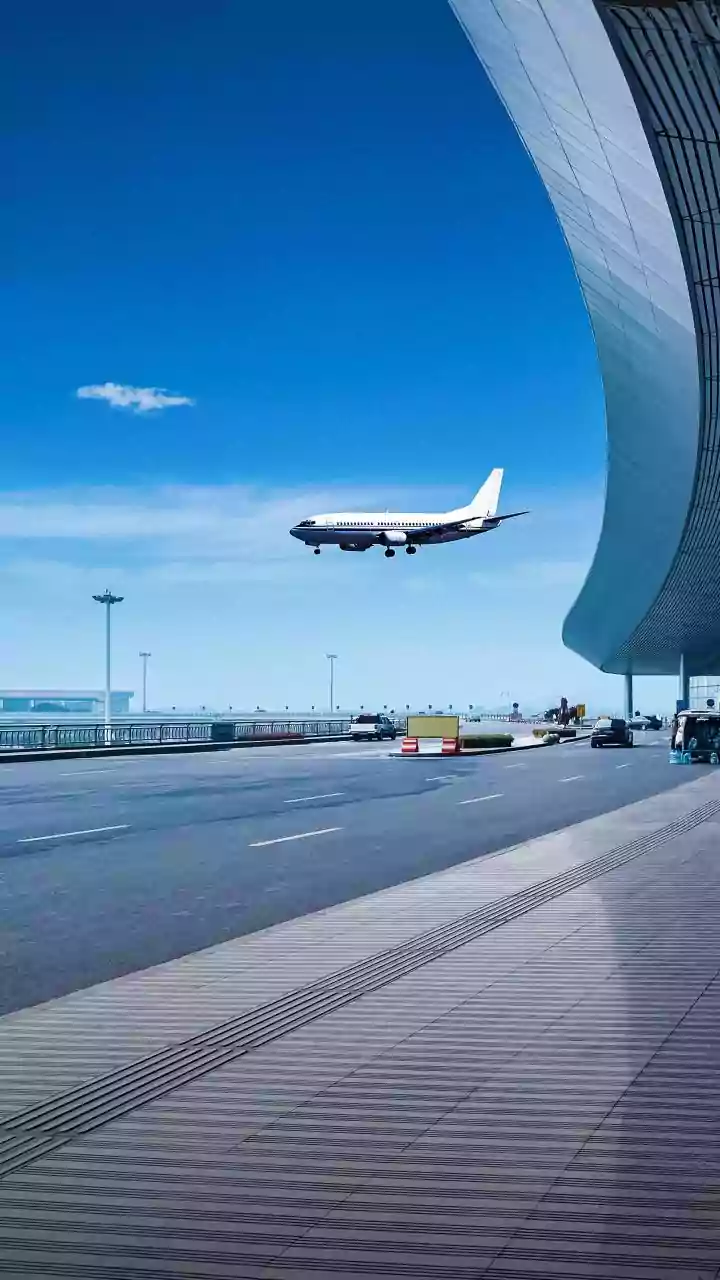
According to the report, the issue centres on Ben Gurion Airport, Israel’s main international airport.
Around 30 American refuelling aircraft are already parked at the airport. The Transport Ministry has reportedly argued that unless some of the aircraft are moved, nearly 50,000 airline tickets booked for July could be affected by flight cancellations.
Transport Minister Miri Regev has reportedly ordered that the number of American refuelling aircraft at the airport should not exceed 20. The Transport Ministry has also accused the Defence Ministry of failing to prepare for the return of the aircraft after hostilities with Iran resumed.
🇮🇱🇺🇸 Israel’s Transport Minister Miri Regev just told American refueling planes they can’t land at Ben Gurion, right as the U.S. wants them back.
Israel Airports Authority reportedly issued an emergency directive barring U.S. refuelers from landing, a move believed to come from…
— Mario Nawfal (@MarioNawfal) July 14, 2026
US had begun moving aircraft earlier
The Israel Airports Authority said the United States has frozen the removal of its refuelling aircraft from Ben Gurion Airport amid the latest escalation with Iran, reports Times of Israel.
Officials warned that unless additional American aircraft are removed from Israel’s main international airport, as many as 50,000 flight bookings could be at risk during the peak July travel season.
Earlier this month, the United States had started returning some of its military refuelling aircraft after tensions appeared to ease following the signing of a memorandum of understanding aimed at permanently ending the US-Israel war against Iran.
Military build-up crowded airport
A fleet of around 75 US refuelling and cargo aircraft had been stationed at Ben Gurion Airport for several months as part of the American military build-up in the region before the US-Israel war with Iran erupted on February 28.
The conflict led to the closure of Israeli airspace, while the large number of military aircraft occupied parking space normally used by civilian flights at the country’s busiest airport.
What does it mean for the Iran conflict?
The issue appears to be one of military logistics rather than a shift in Israel’s strategy towards the conflict with Iran. Refuelling aircraft such as the KC-135 and KC-46 are important because they allow fighter jets, bombers and surveillance aircraft to remain airborne for longer periods and operate over greater distances.
If fewer tankers are allowed to operate from Ben Gurion Airport, the United States may have to base them at other airfields or in neighbouring countries, potentially making operations less efficient.
The reported dispute also highlights the challenge of balancing military requirements with civilian air travel. With Ben Gurion serving as Israel’s main international airport, large numbers of military aircraft can reduce space available for commercial operations during the busy holiday season.
At the same time, there is no indication that Israel is refusing US military support. The reported disagreement concerns where the aircraft should be based rather than whether they should continue supporting military operations.
However, the specific claim that Israel barred additional US refuelling aircraft because of airport capacity has not been independently confirmed. If confirmed, it would point to logistical and administrative coordination challenges rather than any reduction in US-Israel military cooperation during the ongoing tensions with Iran.