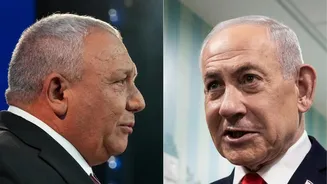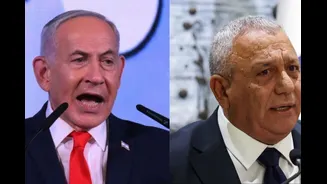








Israeli caretaker Prime Minister Benjamin Netanyahu’s Likud Party and Gadi Eisenkot’s Yashar Party failed to reach an agreement on forming a potential coalition government following their latest round
of negotiations, leaving the country’s political deadlock unresolved.
The two parties held a four-hour meeting at a hotel in Herzliya, near Tel Aviv, following their first round of discussions last Sunday. In a joint statement, the parties said they had discussed their positions on several key issues but had yet to reach a breakthrough.
“The latest round of coalition talks… has concluded. The two sides outlined their positions on a range of substantive issues and discussed them in detail,” the statement said.
The parties added that another meeting would take place, although they did not announce a date or provide further details.
Eisenkot Faces December 6 Deadline To Form Government
Eisenkot faces a December 6 deadline to assemble a governing coalition, with the possibility of seeking an additional two weeks. The October election left neither side with enough parliamentary seats to form a government independently, complicating efforts to secure a majority.
Eisenkot’s faction holds 48 seats, short of the 61 required for a parliamentary majority. Internal disagreements over potential coalition partners have further complicated negotiations. Options under consideration include bringing ultra-Orthodox parties into the coalition, securing support from Arab parties or exploring a power-sharing arrangement with Likud.
Netanyahu Pushes For Power-Sharing Deal
Netanyahu is advocating a national unity government that could involve sharing the premiership with Eisenkot through a rotational arrangement, a model Israel has used in the past. Such an arrangement could help Netanyahu retain political safeguards amid the corruption allegations he faces. However, the proposal faces resistance from Eisenkot, who ruled out joining a government headed by Netanyahu.
Eisenkot’s ally and former prime minister Naftali Bennett also reiterated that he would not join any coalition involving “Netanyahu or his bloc, under any circumstances”.