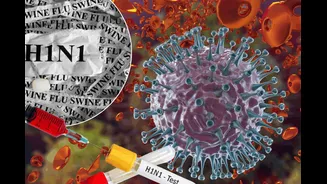







Delhi Swine Flu Cases: Delhi reported around 2,300 swine flu cases amid a rise in seasonal influenza cases during the monsoon, prompting Chief Minister Rekha Gupta to call an emergency meeting to review
the H1N1 situation.
However, Delhi Health Minister Pankaj Singh said the situation is under control and assured that adequate doctors and medicines are available at hospitals.
H1N1 isolation wards have also been set up at hospitals across the city, Singh said, adding that action will be taken if any patient is denied a bed.
Follow LIVE Updates On Swine Flu Cases In Delhi
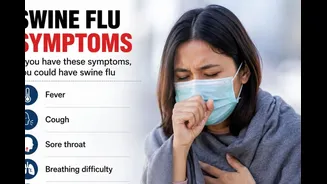
Swine Flu Symptoms
H1N1 infection, commonly known as swine flu, can cause symptoms similar to seasonal influenza. If you experience the following symptoms, seek medical advice instead of taking medicines without consulting a doctor:
- Fever
- Cough/Cold
- Sore throat
- Breathing difficulty
- Body ache
- Headache
- Chest Pain
Doctors advise people with persistent high fever, breathing difficulty, chest pain, confusion or worsening symptoms to seek medical attention promptly.
How To Confirm If You Have Swine Flue?
A specialised Real-Time RT-PCR test, performed on a throat or nasopharyngeal swab, is considered the most accurate method for confirming a swine flu or H1N1 infection by detecting the virus’s genetic material.
What Doctors Say
Dr Rajiv Bahl, Director General of the Indian Council of Medical Research (ICMR), advised people to avoid close contact with others when they are sick and to maintain distance from those who are unwell.
“If you are sick, avoid getting too close to other people, and if you are not sick, avoid getting too close to those who are ill,” Bahl said.
Dr Rishikesh Desai, consultant physician in the Department of Internal Medicine at Sir Ganga Ram Hospital, said the hospital has been witnessing a rise in seasonal influenza cases.
“Most healthy individuals recover well, but influenza can become serious in older adults, pregnant women, young children and people with chronic diseases,” he said.
Dr Neha Rastogi Panda, senior consultant in the Department of Infectious Diseases at Fortis Hospital, Gurugram, also reported a rise in influenza and influenza-like illnesses.
“There has been a sudden increase in patients with influenza and influenza-like illnesses,” she said.
According to Rastogi, most patients are experiencing mild to moderate illness and recover with appropriate supportive care. However, doctors are also seeing more prolonged cough and higher fever intensity this season, which she said could be linked to reactive inflammation of the lungs due to air pollution, particularly particulate pollutants.
Medical practitioners said H1N1 infection commonly causes fever, cough, sore throat, headache, body aches and fatigue. People experiencing persistent or worsening symptoms should consult a doctor promptly.
“Vaccination, hand hygiene, avoiding close contact while ill and staying home during the infection period are key to limiting transmission,” Dr Desai said.