








Union Minister for Road Transport and Highways, Nitin Gadkari, informed the Rajya Sabha on Wednesday that the country is on track to implement a multi-lane free flow (MLFF) toll system and AI-driven highway
management by the end of 2026. This ambitious technological overhaul is designed to permanently eliminate wait times at toll plazas, allowing commuters to travel across the national highway network without the need for physical barriers or slowing down for payment processing.
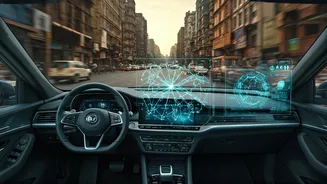
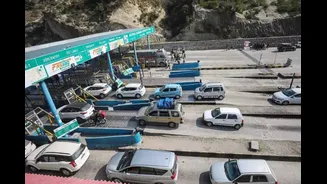
The proposed system marks a generational shift from the current FASTag mechanism. While FASTag significantly reduced congestion by automating payments through Radio Frequency Identification (RFID) technology, it still necessitates vehicles to slow down or stop briefly at toll booths. The new MLFF system, however, utilises high-speed cameras and artificial intelligence to identify vehicles as they move at highway speeds. This is primarily achieved through Automatic Number Plate Recognition (ANPR) and satellite-based Global Navigation Satellite System (GNSS) tolling, which tracks the vehicle’s movement on the highway and deducts the fee based on the exact distance travelled.
Precision Tolling and AI Integration
Gadkari emphasised that the integration of artificial intelligence goes beyond mere payment collection. The AI-driven highway management system will monitor traffic patterns in real-time, detect accidents or stalled vehicles instantly, and manage emergency responses more effectively. By using “pay-as-you-use” satellite technology, the government aims to make tolling more equitable for commuters who only use short stretches of a highway, while also curbing revenue leakages that occur at traditional physical barriers.
The transition to a barrier-free experience is expected to yield massive economic and environmental benefits. Currently, idling at toll plazas leads to a substantial loss in fuel and increases vehicular emissions. By ensuring a seamless, non-stop flow of traffic, the government anticipates a significant reduction in the logistics costs of the country, which currently stand at a higher percentage of GDP compared to developed nations.
Preparing for a Barrier-Free Future
The 2026-end deadline follows several successful pilot projects conducted on stretches like the Delhi-Meerut Expressway and the Bengaluru-Mysuru Expressway. To ensure a smooth rollout, the ministry is working on legislative amendments to the Motor Vehicles Act, which will allow for the recovery of toll dues through bank account linkages and provide a legal framework for penalising those who attempt to bypass the digital sensors.
As India expands its network of expressways, the move toward an AI-managed, free-flow environment represents the “Phase 2” of the digital highway revolution. For the millions of commuters and commercial transporters, the promise of a journey without a single stop at a toll gate is no longer a distant vision but a concrete administrative target.