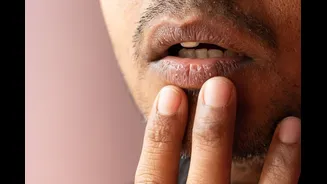









Do you frequently feel thirsty or have dry mouth? The NHS issued a caution regarding symptoms related to dry mouth. Mulled wine, coffee, bubbly juice, and cocktails are examples of festive beverages that
can exacerbate dryness and make it more difficult to stay comfortable. You may enjoy the season while safeguarding your oral and digestive health by being aware of the causes, symptoms, and preventive measures.
Dry mouth symptoms
Regular thirst is not the only cause of a dry mouth. It may feel sore, unpleasant, or sticky. It’s normal to have burning tongues, ulcers at the corners of your mouth, and cracked lips. Eating, swallowing, or speaking may suddenly seem difficult. A dry nose, raspy voice, scratchy throat, or even foul breath may be apparent.
These are usually manageable at home. However, if the dryness persists, it may indicate a more serious condition like Sjögren’s syndrome or diabetes. Don’t wait in certain situations. See a doctor to have it examined.
Dry mouth reasons
Dry mouth can be caused by many reasons. First on the list is dehydration. Perhaps you’re feeling under the weather, you’ve been perspiring a lot, or you’re not drinking enough. Drugs can also accomplish this. Check what you’re taking at all times.
Additional offenders include oral thrush, nervousness, breathing through your mouth at night, and cancer treatments like chemotherapy or radiation. Lifestyle choices exacerbate the situation over the holidays. Alcohol, caffeine, carbonated beverages, and foods that are spicy, salty, acidic, or sweet can all trigger reactions. It also doesn’t help to smoke or wear dentures when you sleep.
Soothe your dry mouth
You have a lot of options. Sip water all day long. Ice cubes, sugar-free ice lollipops, and cold, unsweetened beverages can all help. Your saliva is stimulated when you chew sugar-free gum or suck on sugar-free candies, which is very beneficial.
Lip balm prevents chapped lips, and maintaining proper dental hygiene is also important. Use an alcohol-free mouthwash, brush twice a day, and avoid mouthwashes that contain alcohol or peroxide because they further dry your mouth.
Consult a doctor
Dry mouth is usually not a major concern. However, it’s time to contact a doctor if it makes eating or speaking difficult, if it simply won’t go away, or if you notice raw, red, swollen patches or white spots in your mouth. Keep a lookout for further warning indicators, such as altered taste, persistent thirst, frequent urination, or dry eyes.
Even if you believe a medicine is the cause of the issue, don’t quit taking it on your own. Speak with your doctor or chemist; they can assist you in determining the cause of your condition and provide safe remedies.