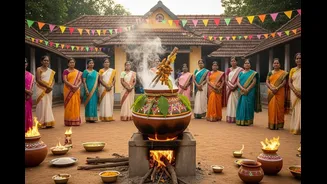







As harvest festivals go, Pongal and Makar Sankranti are deeply rooted in gratitude towards the sun, the land, and the rhythms of nature that sustain us. Food lies at the heart of these celebrations, with
dishes that are nourishing, symbolic, and steeped in tradition. From the sweetness of jaggery and rice to the warmth of ghee, pepper, and lentils, each recipe reflects abundance, balance, and seasonal wisdom.
According to Owaize Ahmed Khan, Executive Chef, Novotel Bengaluru Outer Ring Road, these festive preparations are as much about technique as they are about emotion. “Pongal dishes are meant to be simple yet soulful,” he explains. “They rely on humble ingredients, slow cooking, and careful tempering to bring out depth of flavour without excess.” Whether sweet or savoury, each dish celebrates rice, lentils, coconut, and sesame, ingredients that nourish the body while honouring tradition. Here are five classic recipes, streamlined for the modern kitchen, yet faithful to their roots.
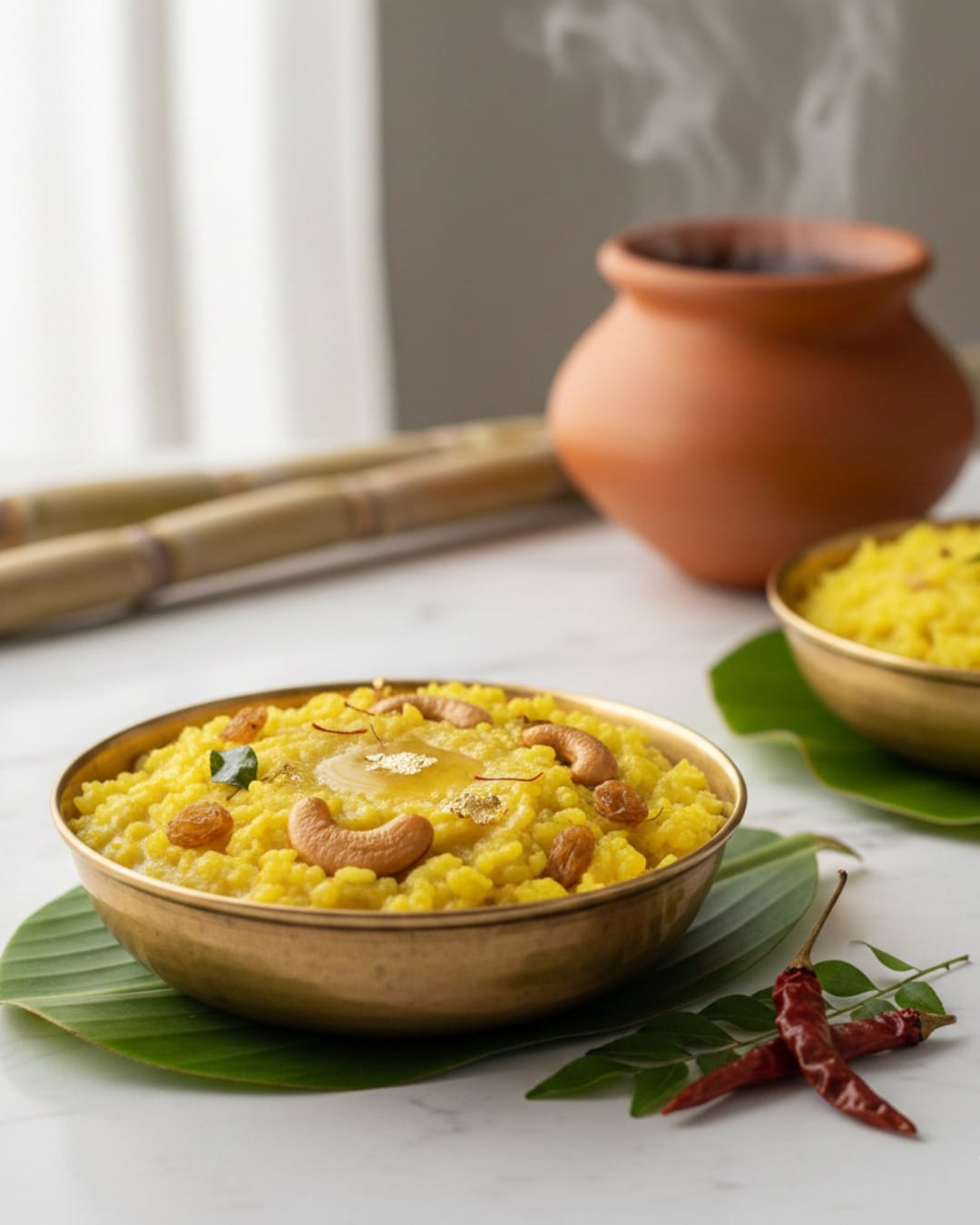
Sweet Pongal (Sakkarai Pongal)
Ingredients
Raw rice – ½ cup
Moong dal – ¼ cup
Jaggery – ¾ to 1 cup (grated)
Water – 3½ to 4 cups
Ghee – 3 tbsp
Cashew nuts – 10–12
Raisins – 1 tbsp
Cardamom powder – ½ tsp
Dry ginger powder – ¼ tsp (optional)
Method
Roast the moong dal lightly and wash it along with the rice. Pressure cook both until soft and mushy. Melt jaggery with a little water, strain, and simmer briefly. Add the cooked rice-dal mixture and mix well. Stir in cardamom and ginger powder. Fry cashews and raisins in ghee, add to the pongal, and simmer until glossy. Serve hot.
Ven Pongal (Khara Pongal)
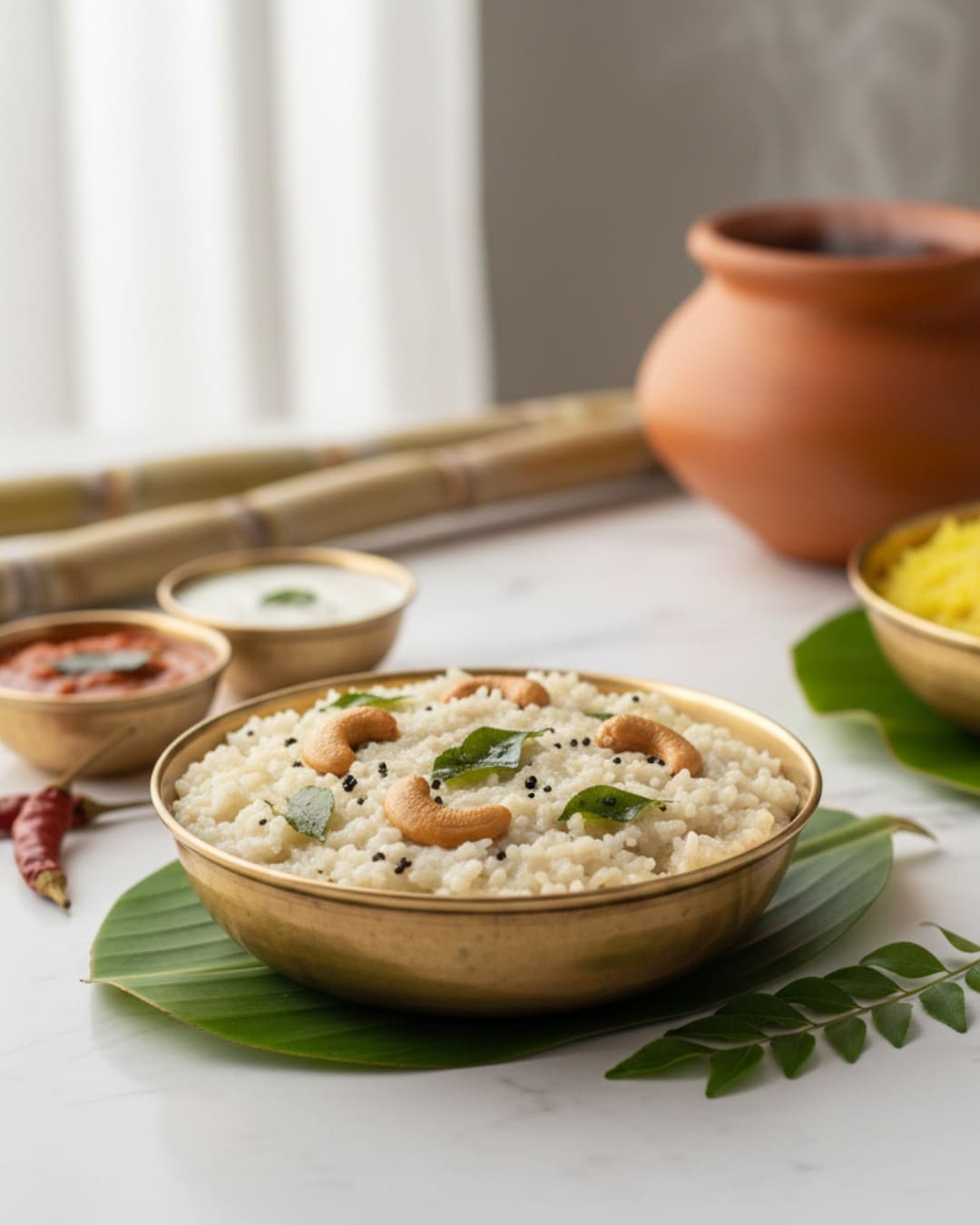
Ingredients
Raw rice – 1 cup
Moong dal – ½ cup
Water – 4–5 cups
Ghee – 3 tbsp
Black pepper – 1½ tsp (crushed)
Cumin seeds – 1½ tsp
Ginger – 1 tbsp (chopped)
Green chillies – 2 (slit)
Curry leaves – 10–12
Cashew nuts – 10
Method
Dry roast the moong dal lightly. Cook rice and dal together until soft and mushy. Heat ghee, fry cashews until golden, and set aside. In the same ghee, add pepper, cumin, ginger, green chillies, and curry leaves. Mix this tempering into the pongal, garnish with cashews, and serve hot.
Ellu Sadham (Sesame Rice)
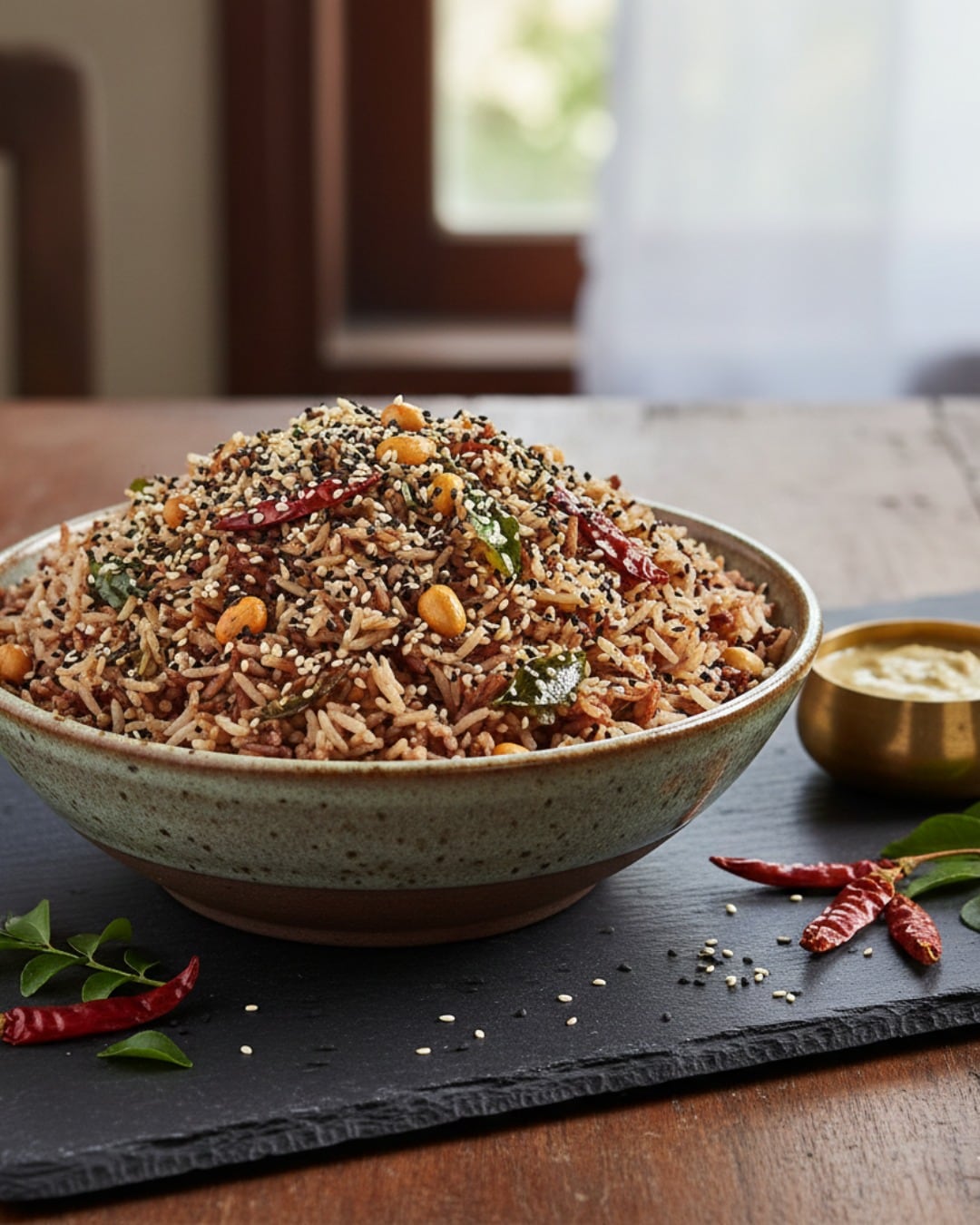
Ingredients
Cooked rice – 3 cups
Black sesame seeds – 3 tbsp
Dry red chillies – 4–5
Urad dal – 1 tbsp
Chana dal – 1 tbsp
Tamarind pulp – 1 tbsp
Gingelly oil – 3 tbsp
Salt – to taste
Method
Dry roast sesame seeds and grind coarsely. Heat gingelly oil, add mustard seeds, urad dal, chana dal, and red chillies. Stir in tamarind pulp, salt, and sesame powder. Add cooked rice, mix gently, and serve warm.
Adhirasam
Ingredients
Raw rice – 1 cup
Jaggery – 1 cup
Water – ¼ cup
Cardamom powder – ½ tsp
Dry ginger powder – ¼ tsp
Sesame seeds – 1 tbsp
Oil – for frying
Method
Soak rice, drain, and dry slightly before grinding into a fine flour. Melt jaggery with water, strain, and boil to soft-ball consistency. Add flour, spices, and sesame seeds to form a dough. Rest overnight. Shape into discs and deep fry on medium heat until golden.
Traditional South Indian Kootu
Ingredients
Vegetable (bottle gourd/snake gourd/cabbage/ash gourd) – 2 cups (chopped)
Cooked chana dal or moong dal – ½ cup
Grated coconut – ½ cup
Green chillies – 2
Cumin seeds – 1 tsp
Turmeric powder – ¼ tsp
Salt – to taste
For Tempering
Oil – 1 tbsp
Mustard seeds – 1 tsp
Urad dal – 1 tsp
Dry red chilli – 1
Curry leaves – few
Method
Cook vegetables with turmeric, salt, and little water until tender. Add cooked dal and mix. Grind coconut, green chillies, and cumin into a coarse paste and stir into the mixture. Simmer for 5 minutes. Prepare tempering and pour over the kootu. Mix gently and serve hot with rice.
Chef’s Tips:
Kootu should be semi-thick
Avoid boiling after adding coconut paste
A pinch of asafoetida aids digestion
These dishes together form a complete festive spread balanced, comforting, and deeply symbolic, perfect for celebrating the spirit of Pongal and Makar Sankranti.