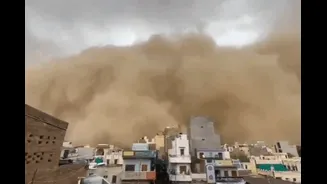







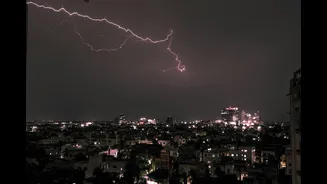


A massive black-and-yellow dust storm swept through Churu, Rajasthan, on Saturday, engulfing the area and severely reducing visibility as thick clouds of sand covered the landscape. A severe storm also
triggered a huge wall of dust in Bikaner during the afternoon, marking another episode of intense weather activity across the desert state.
Reports from Churu described near-zero visibility as dense dust clouds moved across the region, while dramatic visuals from Bikaner showed towering walls of sand advancing toward the city.
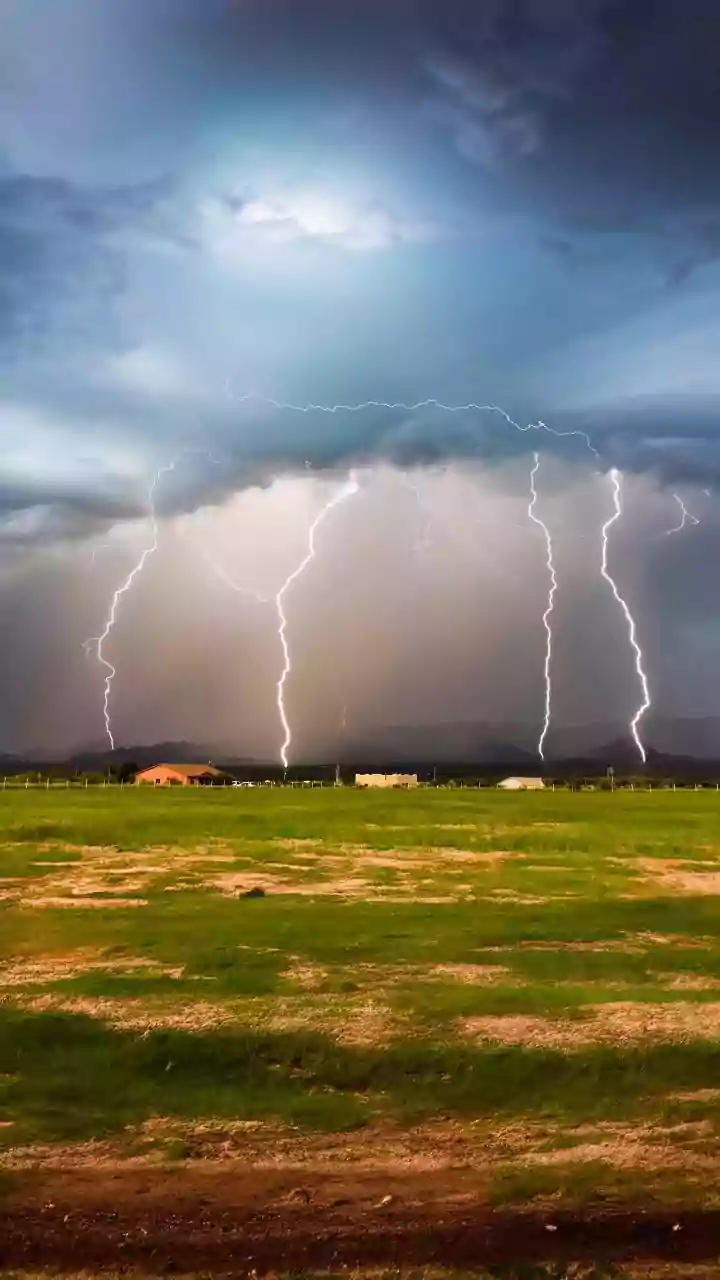
The India Meteorological Department (IMD) has said that thunderstorms, dust storms and rainfall are likely to continue in several parts of Rajasthan over the next few days under the influence of a western disturbance.
While such storms are common during the pre-monsoon season in Rajasthan, they can pose serious health risks, especially for people living with asthma, allergies, chronic respiratory conditions, and even heart disease.
Why Dust Storms Can Be Dangerous For Your Health
According to the World Health Organization (WHO), sand and dust storms significantly increase the concentration of particulate matter in the air. These tiny particles can travel deep into the respiratory system and trigger breathing difficulties, coughing, wheezing, throat irritation and eye discomfort.
For asthma patients, exposure to dust can worsen airway inflammation and lead to asthma attacks. The WHO notes that asthma is a chronic condition in which the airways become inflamed and narrowed, making breathing difficult. Environmental triggers such as dust and air pollution can aggravate symptoms.
Symptoms To Watch Out For
During and after a dust storm, people with respiratory sensitivities should pay attention to symptoms such as:
- Persistent coughing
- Wheezing or whistling sounds while breathing
- Shortness of breath
- Chest tightness
- Irritated eyes, nose or throat
- Increased mucus production
- Sudden fatigue or dizziness
If symptoms become severe or breathing becomes difficult, medical attention should be sought immediately.
Precautions Allergy And Asthma Patients Should Take
Stay Indoors As Much As Possible: Health experts recommend avoiding outdoor exposure during dust storms. Keep doors and windows closed to prevent dust from entering your home.
Wear A Well-Fitted Mask: If stepping outside is unavoidable, wear a well-fitting mask, preferably an N95 or similar protective mask that helps filter fine particles from the air.
Keep Rescue Inhalers Handy: People with asthma should carry their prescribed inhalers and ensure medications are easily accessible. Do not skip regular preventive medication during periods of poor air quality.
Avoid Outdoor Exercise: Running, walking, or exercising outdoors during a dust storm can increase the amount of dust inhaled. Wait until the air quality improves before resuming outdoor activities.
Protect Your Eyes: Dust particles can irritate the eyes and worsen allergies. Wearing protective glasses or sunglasses outdoors may help reduce exposure.
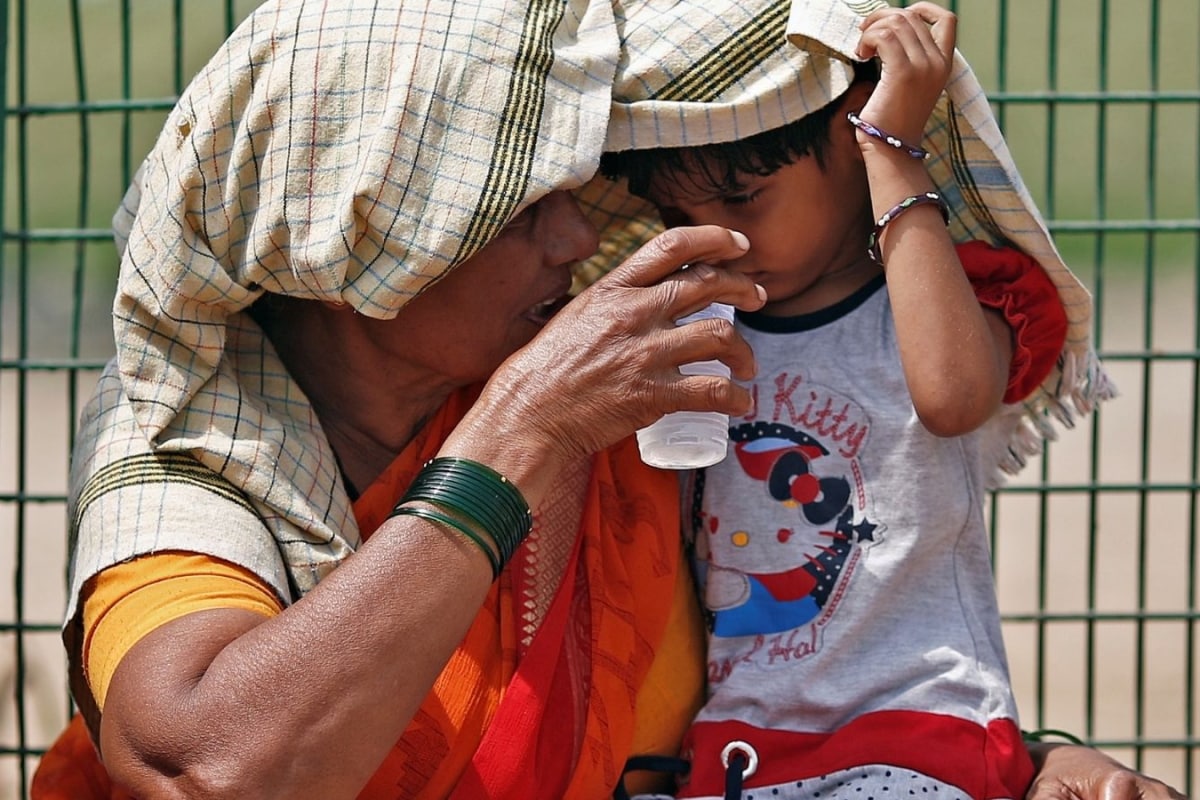
Stay Hydrated: Drinking enough water can help reduce throat irritation and support the body’s natural mechanisms for clearing inhaled particles.
Monitor Weather Alerts: Keep track of IMD weather advisories and local alerts, especially as Rajasthan is expected to witness continued thunderstorms, dust storms and rain over the coming days.
Young children, senior citizens and individuals with existing respiratory or cardiovascular diseases are among the most vulnerable during dust storms. Family members should ensure they remain indoors and follow necessary precautions until conditions improve.