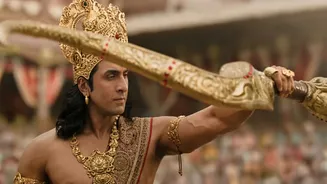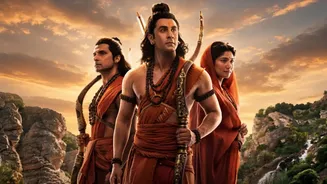








Ramayana Box Office Day 5: Nitesh Tiwari’s Ramayana: Part 1 has rewritten box-office records within just five days of its theatrical release. After a successful opening weekend, the Ranbir Kapoor-starrer
witnessed a massive surge in collections on its first Monday (November 9), earning an estimated Rs 107.50 crore net in India. With this, the mythological epic has recorded the biggest first-Monday collection by an Indian film, beating Ranveer Singh’s Dhurandhar 2’s Rs 60 crore haul on the same day of its release.
Ramayana beats Dhurandhar 2 at the box office
According to Sacnilk, Ranbir Kapoor and Yash starrer Ramayana’s total domestic net collection stands at Rs 346.35 crore, while its worldwide gross has reached Rs 663.90 crore in five days. The film witnessed a massive jump in collections after a strong opening weekend, showing no signs of slowing down at the box office. It earned Rs 107.50 crore nett in India on Monday, November 9, its fifth day in theatres, across 23,911 shows. This marked a remarkable 91.5 per cent increase over its Day 4 collection of Rs 56.15 crore.
With its Monday haul, Ramayana: Part 1 has surpassed Dhurandhar 2’s first-Monday collection of Rs 60 crore nett, setting a new benchmark for the biggest Monday collection by an Indian film, according to the reported figures.
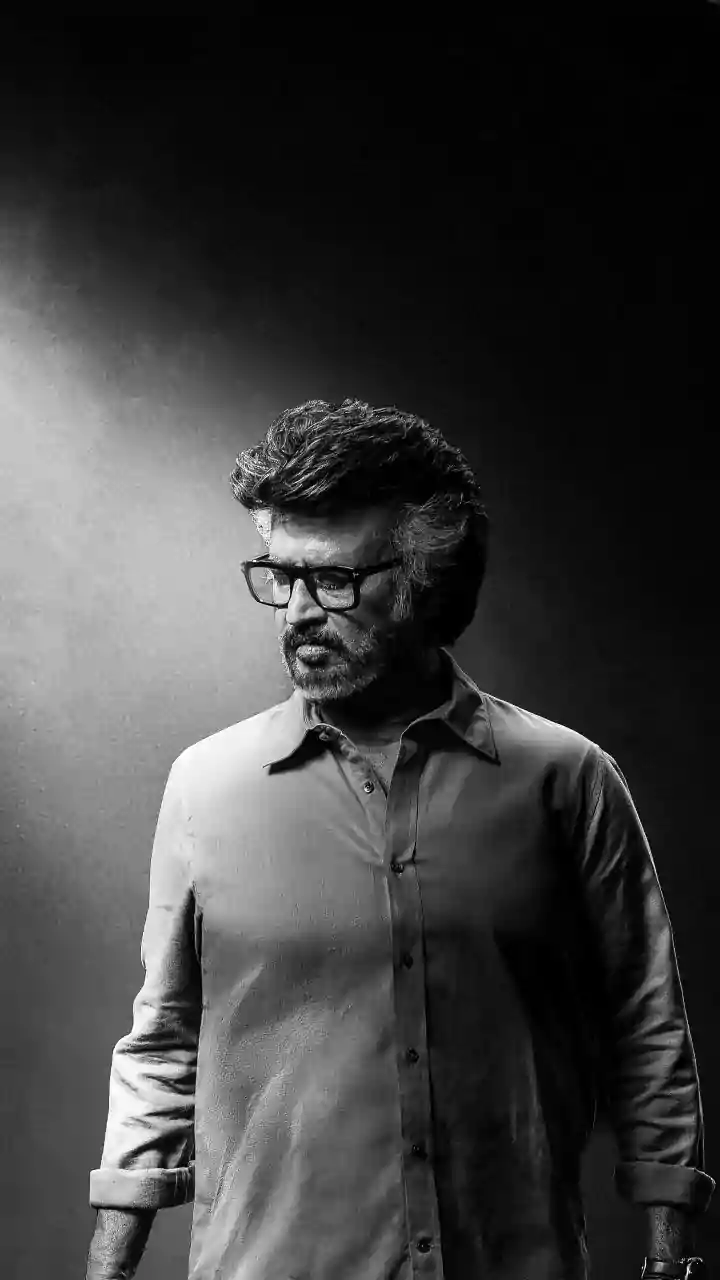
Despite its impressive box-office run, Ramayana: Part 1 still has a considerable distance to cover to catch up with the year’s biggest blockbusters. It currently ranks among the top five highest-grossing Indian films of 2026 worldwide, with a collection of Rs 663.90 crore. Ranveer Singh-starrer Dhurandhar: The Revenge leads the chart with Rs 1,813.39 crore, followed by Jailer 2 at Rs 828.50 crore.
Meanwhile, released in theatres on November 5, Ramayana: Part 1 also features Sai Pallavi as Sita, Ravi Dubey as Lakshman, Yash as Ravana and Rakul Preet Singh as Shurpanakha. The film’s ensemble cast has been receiving appreciation from audiences and members of the film fraternity, with several celebrities praising the actors’ performances and the scale of Nitesh Tiwari’s ambitious adaptation.