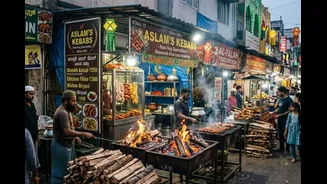







Ramadan in Bengaluru is not just celebrated in homes, but on vibrant streets at different parts of the city. The month of Ramadan transforms areas like Shivajinagar into vibrant hubs of trade and culinary
celebration.
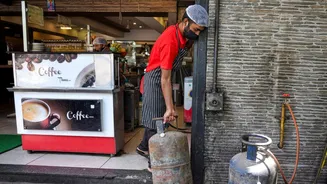
However, this year, a severe shortage of Liquified Petroleum Gas (LPG) combined with supply chain disruptions from the Middle East has significantly altered the landscape of the city’s famous food streets. Vendors who typically rely on seamless logistics are now struggling to maintain operations as basic resources become increasingly scarce and expensive.
Idris Choudhary, the President of the Bengaluru Dry Fruits Merchants Association, highlighted the severity of the supply chain breakdown to News18 Kannada: “The stock of dry fruits and spices that were supposed to be imported from Iran will likely be exhausted within the next two weeks. Even when we place new orders, the goods are simply not arriving. The prices are increasing so rapidly that it has become nearly impossible to conduct regular business.”
The scarcity of LPG has forced a dramatic shift in how food is prepared and sold. Many stall owners in the Russell Market area have been forced to downsize or close their businesses entirely as the cost of operation becomes unsustainable.
Shift to Traditional Cooking Methods
The most visible sign of the LPG crisis is the sudden return to traditional cooking methods. In Shivajinagar, the sight of modern gas burners has been replaced by stacks of firewood piled in front of hotels and eateries. Stall owners have reported to local news outlets that they have no choice but to use wooden logs to keep their kitchens running.
This shift has not only slowed down the speed of service but has also contributed to a decrease in the number of active stalls. Consequently, the usual festive crowds have thinned, leading to a sharp decline in overall revenue for the seasonal market.
Beyond the local fuel shortage, the conflict involving Iran, Israel, and the United States has had a direct impact on the import of essential ingredients. Bengaluru’s dry fruit and spice markets are heavily dependent on Iranian imports for items like saffron, dates, and nuts.
With the war affecting shipping routes and trade agreements, the cost of these items has surged by approximately 45 percent. Merchants fear that if the geopolitical situation does not stabilize, the city may face a complete stock-out of premium Middle Eastern goods before the festive season concludes.
Comparative Price Analysis of Imported Goods
The following table compares the significant price hikes observed in the Bengaluru market due to the ongoing import crisis.
| Item | Previous Rate (per kg) | Current Rate (per kg) |
| Iran Saffron | Rs 2.50 Lakh | Rs 3.50 Lakh |
| Figs (Anjeer) | Rs 1,200 | Rs 2,000 |
| Iran Dates | Rs 250 | Rs 600 |
| Iran Almonds | Rs 780 | Rs 1,200 |
| Iran Pistachios | Rs 2,200 | Rs 3,200 |
| Iran Apricots | Rs 1,800 | Rs 2,600 |
| Iran Cardamom | Rs 2,900 | Rs 5,000 |
| Iran Black Pepper | Rs 1,200 | Rs 1,600 |
The LPG shortage and price inflation are reaching a critical point for small-scale vendors. Without a resolution to the energy emergency and a de-escalation of international conflicts, the economic pressure on Bengaluru’s food industry is expected to intensify.
Reported By: Ashik Mulki, News18 Kannada, Bengaluru