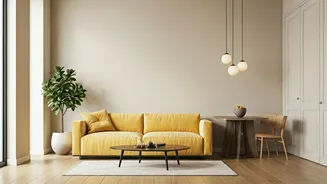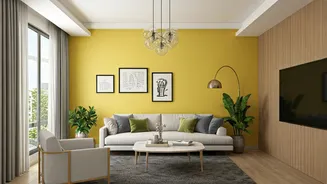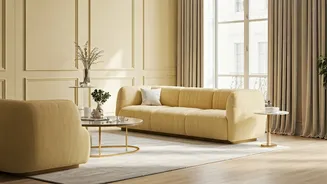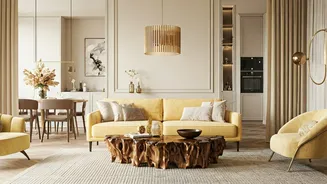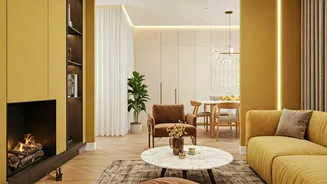





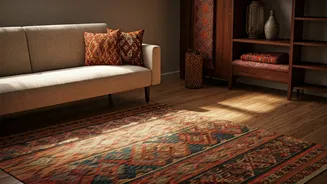
There was a time when the ideal home looked like it had been lifted straight out of a catalogue, perfectly styled, immaculately arranged, and almost too pristine to be lived in. But that version of perfection
is quietly losing its appeal.
Today, homes are no longer designed to impress, they are designed to reflect. “The era of perfectly staged, showroom-like homes is fading,” says Ekta Verma, Founder and Principal Designer, ETOS Designs. “Design today is less about flawlessness and more about creating spaces that feel deeply personal and lived-in.”
This shift is not just aesthetic, it’s emotional. Across urban homes, there is a growing move away from uniformity towards individuality. Clients are increasingly choosing spaces that mirror their stories, routines, and emotional connections rather than chasing a standardised idea of beauty.
“At RYA Interiors, we’ve noticed that homeowners are no longer chasing a curated, untouchable aesthetic,” says Riya Garg, head, RYA Interiors. “They’re chasing a feeling, spaces that reflect who they are, not just what looks good in a photograph.”
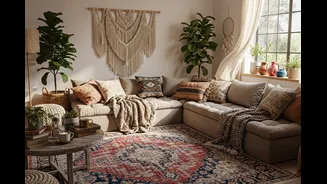
This desire for authenticity is reshaping the way homes are designed. Instead of polished perfection, there is a rise in layered interiors, spaces that combine heirlooms with contemporary pieces, blend textures, and embrace elements that feel imperfect yet meaningful.
Ekta Verma notes that this evolution celebrates “curated imperfections”, whether it’s a vintage find, an unconventional layout, or a bold colour choice. “These elements bring character and soul, something no showroom can replicate,” she says.
And perhaps that is the key distinction. A showroom is designed to be admired. A home, today, is meant to be experienced.
This transition is also deeply psychological. As our lives become increasingly fast-paced and digitally saturated, the home has emerged as a sanctuary, a space where people seek comfort, calm, and a sense of self.
“This move towards personalisation is closely tied to how we feel within our spaces,” explains Akanksha Gupta, founder, Studio A. “Homes that reflect our memories, lifestyles, and tastes create a stronger sense of belonging and emotional comfort.”
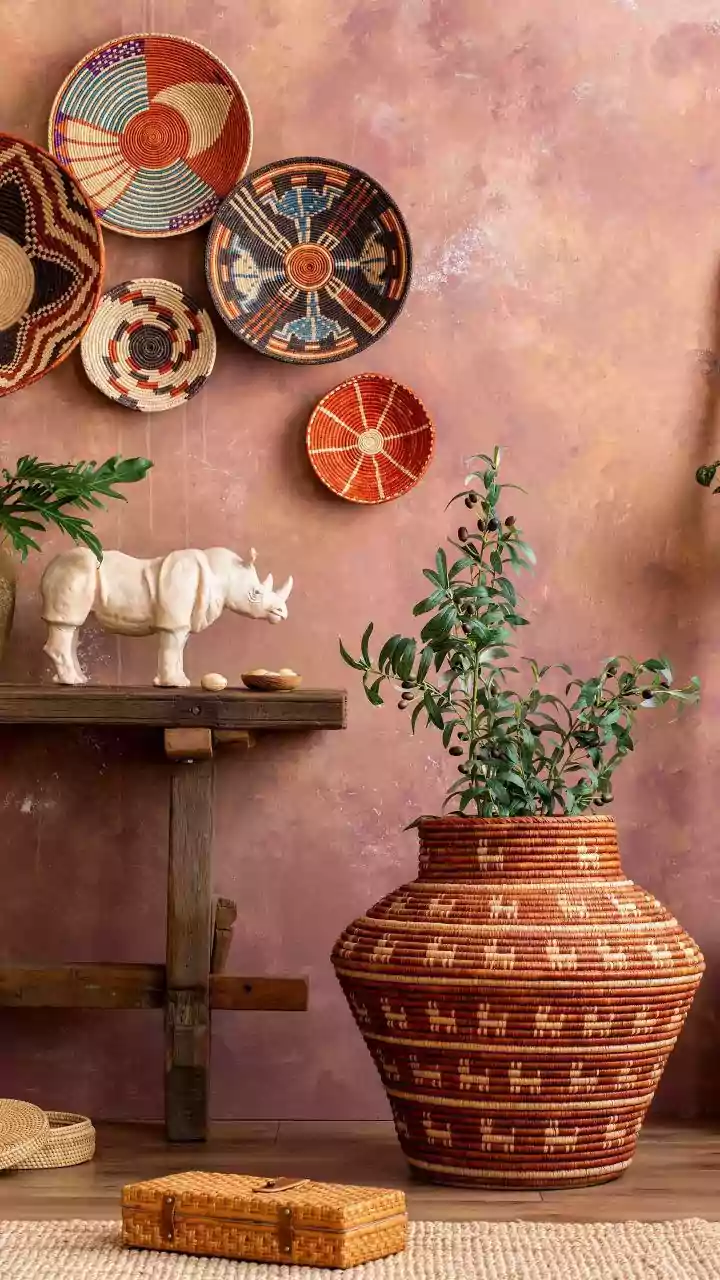
It’s why small, seemingly imperfect details are gaining importance. A handcrafted object, a well-worn chair, or an unexpected mix of materials often carries more meaning than a perfectly matched set of décor.
“Those little imperfections, quirky pieces, layered textures, personal artefacts bring authenticity and warmth,” adds Gupta. “They make a space feel lived-in rather than staged.”
Functionality, too, is being redefined. Instead of rigid layouts and overly styled corners, homes are becoming more intuitive and adaptable, designed around how people actually live, not how spaces are meant to look.
“Clients today are prioritising comfort without compromising on aesthetics,” says Garg. “They want homes that shut out the noise of the world and allow them to feel completely themselves.”
This idea of emotional ease is becoming central to modern design. It’s no longer about creating a visually perfect space, it’s about crafting an environment that feels right.
And sometimes, that shift can begin with something as simple as one meaningful change. “Our advice is simple,” suggests Garg. “Swap one generic décor piece with something that holds a memory. That single change can transform how a space feels.”
Ultimately, what we’re witnessing is not just a design trend, but a mindset shift.
“Perfection is no longer the goal, connection is,” says Verma. “Homes are becoming more intuitive, expressive, and grounded in real life.”
Because in the end, the most beautiful homes aren’t the ones that look flawless. “They’re the ones that feel unmistakably like yours,” concludes Gupta .