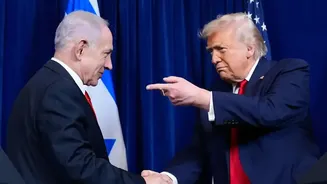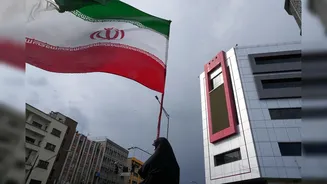







US President Donald Trump is set to hold talks with the leaders of six Gulf countries in New York next week as Washington weighs the next phase of its war with Iran, a development that could mark an important
diplomatic turn in the seven-month-old conflict.
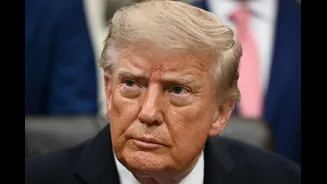
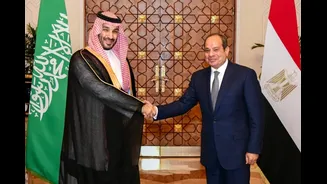
According to Axios, Trump is expected to meet the leaders or foreign ministers of Saudi Arabia, the United Arab Emirates, Qatar, Bahrain, Kuwait and Oman on the sidelines of the United Nations General Assembly next Tuesday. Three sources with direct knowledge of the plans have been quoted by Axios as saying that the meeting will focus on the next steps in the war and US ideas for a post-war strategy.
The meeting comes at a particularly significant moment. Trump said on Wednesday that the US was “hopefully towards the end of the war” and claimed Washington had heard directly from Tehran about its willingness to make a deal.
However, there has been no formal announcement of an end to hostilities, and fighting continues across the region.
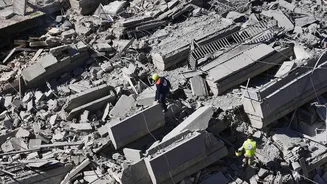
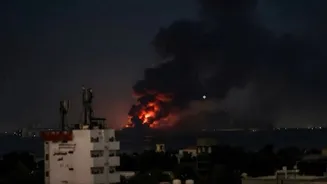
The six Gulf states have been directly affected by the conflict. Axios reported that countries hosting US military bases suffered Iranian attacks during the war, while disruptions to oil and natural gas exports have caused significant economic losses.
That makes the Gulf countries central to any discussion about what happens after the fighting stops.
The report says that the Trump administration is working on a broader “day-after” plan for the region, with the strategy expected to be finalised after the US midterm elections. The meeting could also expand to include other Arab and Muslim leaders, according to one source cited by Axios.
For now, however, diplomacy is unfolding alongside an active military confrontation.
Hormuz Remains A Major Flashpoint
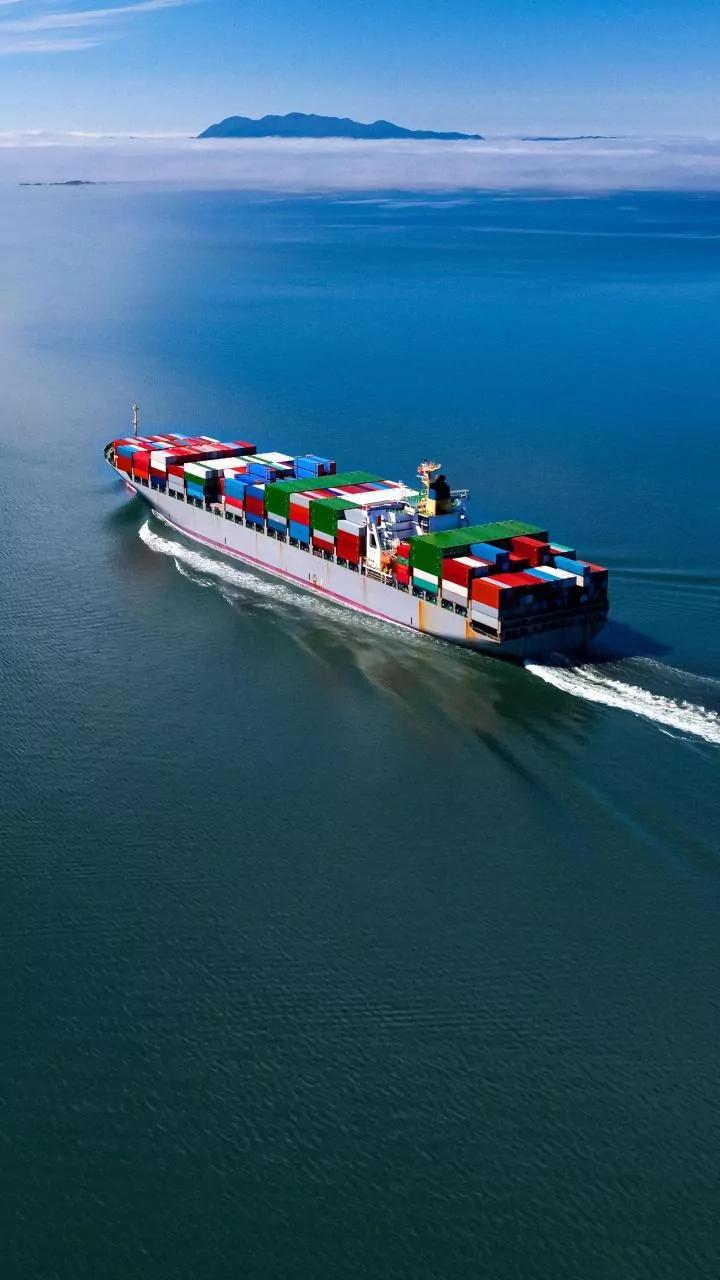
One of the biggest unresolved issues is the Strait of Hormuz, the crucial waterway connecting the Persian Gulf with the Gulf of Oman and a major route for global energy shipments.
The conflict has severely disrupted shipping through the strait, with attacks and restrictions raising concerns about the movement of oil and gas. The waterway has effectively become another front in the US-Iran confrontation, with the security of commercial vessels closely tied to the broader military standoff.
Any durable settlement will therefore have to address not only the fighting between Washington and Tehran but also the future of shipping through Hormuz and the security of the Gulf states.
Is The Iran War Nearing Its End?
Trump’s latest comments have raised expectations that diplomacy could be gaining ground. But his statement that the war is “hopefully” nearing its end is not the same as a ceasefire or peace agreement.
The planned Gulf meeting therefore assumes importance not only as a diplomatic engagement but also as an indication that Washington is beginning to think about the postwar regional order.
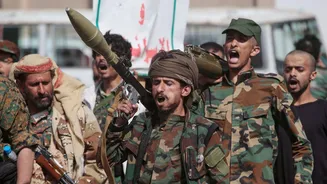
The immediate challenge will be to stop the fighting. The harder question could be what comes after it. Iran’s future military posture, the security of Gulf states, the status of Hormuz, the situation in Yemen and the role of the US military in the region are all likely to figure into any eventual settlement.
Trump’s meeting with Gulf leaders next week could offer a clearer indication of whether Washington is genuinely moving towards an end to the conflict, or preparing for another phase of the war.