


For years, the beauty industry revolved around transformation. Sleeker hair, straighter hair, shinier hair, more volume, less frizz, perfection was always the goal. But somewhere along the way, the definition
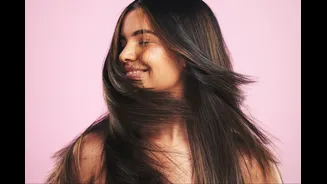
of beautiful hair quietly changed. Today, people are no longer chasing hair that looks artificially flawless under salon lighting or heavily filtered Instagram posts. Instead, the beauty world is embracing something far more real: healthy-looking hair.
From glossy blowouts and nourished curls to scalp care routines and bond-repair treatments, healthy hair has officially become the biggest beauty statement of the moment. And according to industry experts, this shift is far deeper than just aesthetics.
The End Of “Perfect” Hair
One of the biggest reasons behind this movement is the growing rejection of unrealistic beauty standards. Consumers today are gravitating towards authenticity rather than heavily polished perfection.
“Clients no longer want hair that only looks good in a salon chair or under perfect lighting. They want hair that feels real, effortless, touchable, and most importantly, healthy,” says Nisha Popat, National Technical Head, BBLUNT India Salon.
According to Popat, natural texture is finally being celebrated instead of constantly being hidden or corrected. Waves, curls, flyaways, volume, and even frizz are now viewed as part of a person’s individuality rather than flaws that need fixing.
“At BBLUNT, we strongly believe that the new definition of perfection is embracing your imperfections,” she explains. “The focus has shifted from overly polished styles to hair that looks lived-in, healthy, and naturally beautiful.”
This shift also aligns perfectly with the rise of beauty aesthetics like “clean girl” glamour and quiet luxury, where understated beauty has become more aspirational than dramatic transformations.
Healthy Hair Is The New Luxury
Priti Sawant, Artistic Director & Lead at LOOKS Salon, believes the beauty industry is currently experiencing a much larger transition, one where health itself has become the trend.
“The biggest shift in beauty right now isn’t a cut or colour, it’s health,” says Sawant. “Glossy, strong, ‘your hair but better’ has replaced the over-styled, over-processed look.”
According to her, much of this transformation comes from what experts call the “skinification” of haircare. Consumers now approach hair the same way they approach skincare focusing on long-term nourishment rather than temporary cosmetic fixes.
“People now treat their scalp like facial skin and their strands like silk,” Sawant explains. “Bond repair, scalp serums, heat protectants, and overnight masks are outselling styling sprays because consumers understand that if the base is damaged, no style will truly look expensive.”
The rise of glossy blowouts, expensive brunettes, and sleek buns further proves this point. None of these looks rely on dramatic styling; they depend entirely on healthy texture, shine, and condition.“The new status symbol is hair that looks rich, not busy,” she adds.
The Post-Pandemic Hair Reset
Industry experts also point to the pandemic as a major turning point in beauty behaviour. Lockdowns triggered a wave of DIY bleaching disasters, stress-induced hair fall, and prolonged neglect of professional haircare routines.
When salons reopened, clients were no longer prioritising dramatic makeovers. Instead, they wanted repair and recovery. “Hair fall and thinning became dinner-table conversations,” says Sawant. “The trend shifted from ‘change your hair’ to ‘heal your hair.’”
Nisha Popat echoes this observation, noting that consumers have become significantly more aware of scalp health, over-processing, excessive heat damage, and the long-term impact of chemical treatments.
“Clients are now investing more in nourishment, bond repair, and personalised haircare routines rather than chasing temporary trends,” she says. “Healthy hair has become a form of self-care and confidence.”
Social Media Changed The Conversation
Ironically, social media, once responsible for promoting unrealistic beauty standards is now helping drive the healthy hair movement. Instead of ultra-styled salon images, audiences today are engaging more with relatable beauty content: wash-day routines, hair recovery journeys, realistic textures, and before-and-after transformations.
“Authenticity sells,” says Sawant. “Audiences trust creators who show real texture and genuine hair journeys over perfect, heat-styled illusions.”
Popat agrees that the definition of beauty online is evolving rapidly. “People are inspired by effortless movement, softness, shine, and natural texture rather than stiff, over-styled hair,” she explains.
The focus is no longer about transforming yourself into someone else, but enhancing what already exists naturally.
Why This Trend Is Here To Stay
Unlike fast-moving beauty trends, experts believe the healthy hair movement reflects a deeper behavioural and cultural shift, one rooted in sustainability, individuality, and long-term wellness.
Frequent bleaching, aggressive colouring, and high-maintenance styling routines are becoming less appealing to consumers who want lower-maintenance beauty with longer-lasting results.
“Healthy hair is sustainable beauty,” says Sawant. “Lower maintenance, lower damage, better confidence.” And perhaps that is exactly why this trend feels different. It is not about achieving perfection anymore, it is about feeling comfortable, confident, and authentic in your own texture.
“As hairstylists, our role today is not to erase individuality but to work with it,” says Popat. “Great hair is no longer defined by how perfect it looks, but by how healthy, confident, and authentic it feels.”
In many ways, healthy-looking hair is no longer simply a beauty trend. It has quietly become the new beauty standard altogether.