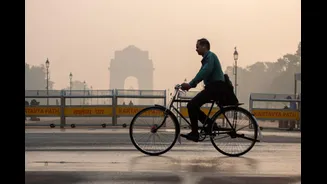

Each winter, residents of Delhi-NCR face severe air pollution caused by a combination of crop residue burning, vehicular emissions, industrial pollutants, and stagnant cold air. This smog is not just an inconvenience,
it can aggravate asthma, bronchitis, COPD, and even impact healthy lungs over time. Protecting your respiratory health during this season is essential.
Dr Prashant Saxena, Principal Director & HOD, Pulmonology, Critical Care & Sleep Medicine, shares everything you need to know:
Monitor Air Quality:
Stay updated on the Air Quality Index (AQI) through reliable apps. On days when AQI levels fall into the “very poor” or “severe” categories, limit outdoor activities especially early mornings and late evenings, when pollution levels tend to peak.
Use Protective Masks:
High-quality masks such as N95 or N99 respirators can significantly reduce the inhalation of fine particulate matter (PM2.5). Ensure a snug fit for maximum effectiveness.
Improve Indoor Air:
Keep windows and doors closed during peak smog hours. Use indoor air purifiers with HEPA filters, and consider adding air-purifying plants like spider plants or peace lilies for minor supplemental benefits.
Stay Hydrated & Eat Antioxidant-Rich Foods:
Adequate hydration keeps mucous membranes moist, helping the body trap and clear pollutants. Include fruits and vegetables rich in vitamin C, vitamin E, and omega-3 fatty acids, as they may help reduce inflammation.
Practice Breathing Exercises Indoors:
Gentle breathing exercises or yoga pranayama help maintain lung elasticity and function, but should be performed indoors and away from polluted air.
Be Alert to Symptoms:
Persistent cough, shortness of breath, wheezing, or chest discomfort should not be ignored. Seek medical attention promptly if these symptoms arise.