







Conversations around children’s health often focus on outcomes, weight, fitness levels, or lab numbers rather than the systems quietly shaping those outcomes every day. Yet one of the most powerful long-term
interventions doesn’t sit in a clinic or a classroom. It sits at the dining table.
According to Dr. Vanita Rahman, an internal medicine physician associated with the Physicians Committee for Responsible Medicine, improving children’s long-term health begins with improving diet quality, specifically through plant-based, minimally processed foods. The evidence is clear: children who grow up with healthful eating patterns are more likely to carry those habits into adulthood, lowering their lifetime risk of obesity, heart disease, diabetes, and other chronic conditions.
What complicates this seemingly simple truth is the modern food environment. Children today are growing up surrounded by aggressive marketing of foods high in sugar, salt, and unhealthy fats. These products are engineered not just for convenience, but for preference shaping taste buds early and normalising ultra-processed snacks as everyday staples. Over time, this environment doesn’t just influence what children eat; it influences what they want to eat.
The hopeful counterpoint, Dr. Rahman notes, is that taste preferences are not fixed. They are learned and they can be re-learned. Diets rich in fibre from fruits, vegetables, and whole grains; protein from legumes; and healthy fats from nuts and seeds do more than provide nutrients. They support gut health, improve satiety, and gradually reduce cravings for heavily processed foods. When children are regularly exposed to these foods, their palates adapt, often without resistance or force.
Crucially, this shift works best when it avoids the language of restriction. Weight-focused messaging and “diet talk” can harm body image and disrupt a child’s relationship with food, sometimes laying the groundwork for disordered eating patterns later in life. Instead, Dr Rahman advocates for positive reinforcement framing nourishing food as enjoyable, satisfying, and empowering rather than corrective or punitive.
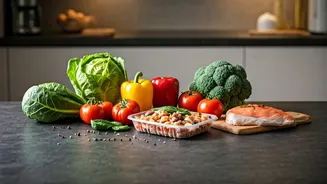
Practical changes matter more than perfection. Prioritising plant-forward meals, dals, sabzis, whole grains, fruits, nuts, and seeds creates a foundation of nourishment without labelling foods as “good” or “bad.” Replacing packaged snacks with simple, home-prepared options reduces reliance on ultra-processed foods while preserving familiarity. Involving children in grocery shopping and cooking builds autonomy, curiosity, and confidence, helping them understand food as something they participate in, not just consume.
Ultimately, improving children’s diets is less about control and more about environment, exposure, and example. When homes prioritise wholesome, plant-forward foods and remove the moral weight from eating, healthier choices begin to feel natural rather than imposed. The result is not just better nutrition today, but a generation equipped with habits that quietly protect their health for decades to come.